
Est. 1899 · Bremen · Weserstadion · Die Grün-Weißen
Werder Bremen
Founded in 1899 on the banks of the Weser river, Werder Bremen are four-time Bundesliga champions, six-time DFB-Pokal winners, and one of the few clubs in world football whose stadium sits directly on a river. The green and white vertical stripes are one of the most distinctive kits in German football. 309 Werder kits in the ShirtSociety archive.
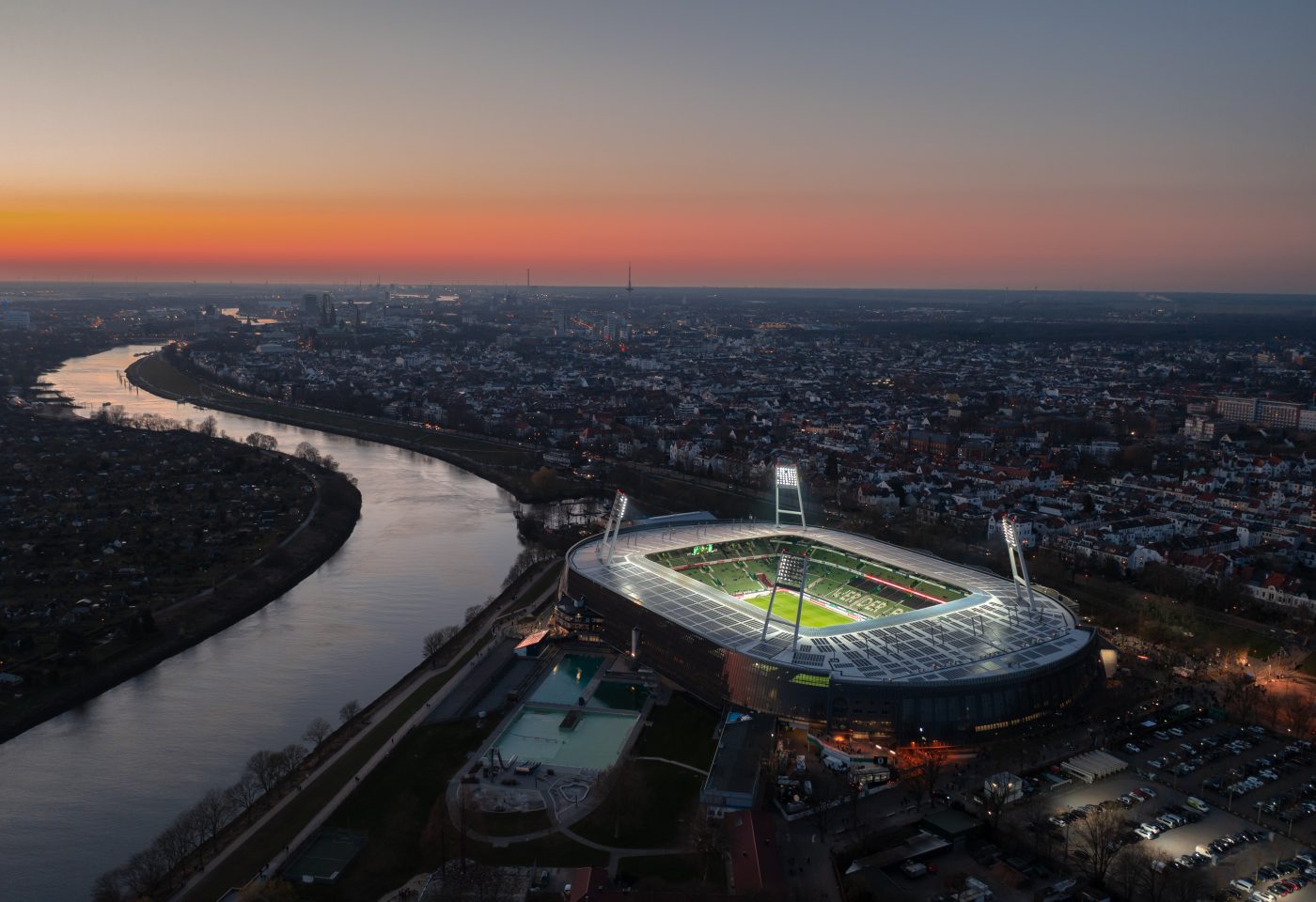
The Weserstadion: a ground on the riverbank
Weser river · Bremen · 42,100 capacity · Built 1909
The Weserstadion sits directly on the southern bank of the Weser river, one of the few major football stadiums in Europe with a direct river view from inside the ground. The original stadium opened in 1909 and has been rebuilt and expanded several times, but the riverside location has never changed.
"Die Grün-Weißen", the green and whites. The vertical stripes have been worn in one form or another since the early decades of the club. The colour is as fixed as the river.
Four Bundesliga titles across four decades
1965
First title
Bundesliga's second season. Werder won their first championship in the new professional league.
1988
23 years later
Under Otto Rehhagel. Rudi Völler was the figurehead of this side, one of the defining strikers in West German football.
1993
Back-to-back attempt
Third title, five years after the second. Also won the UEFA Cup in 1992, beating Monaco in the final.
2004
The double
Bundesliga and DFB-Pokal in the same season. The peak of the Thomas Schaaf era. Ailton, Klose, Micoud.
2003–04: Ailton, Klose, and the Bundesliga double
Bundesliga title · DFB-Pokal · Thomas Schaaf · Kappa · Ailton 28 goals
The manager
Thomas Schaaf had been at Werder since 1981 as a player, then youth coach, then senior coach. His 2003-04 side was the culmination of years of patient building: a high-tempo, technically confident team that was simply better than the rest of the Bundesliga that season.
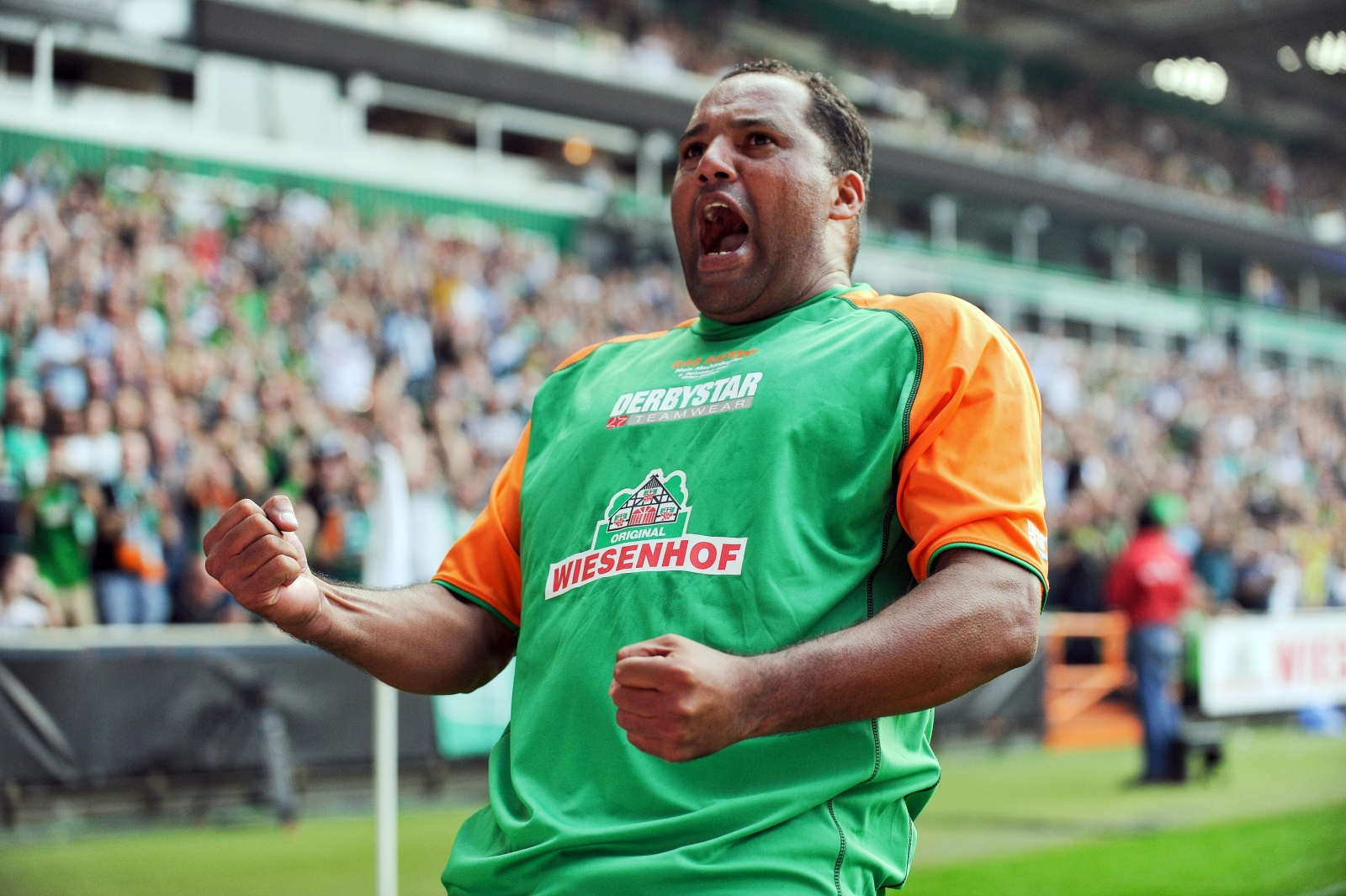
Ailton · 2003–04
28 Bundesliga goals in 2003-04, top scorer and European Golden Boot winner. His combination with Miroslav Klose gave Werder a front line that no defence in Germany could consistently contain. Ailton's energy and goal record that season place him among the best individual Bundesliga performances of the decade.
The Kappa kit
The double season was played in a Kappa kit: green and white vertical stripes with the Kappa Omini logo on the chest. Kappa supplied Werder throughout the 2000s, producing some of the cleaner takes on the stripes in this period. The 2003-04 home shirt is the most historically significant shirt in the Werder archive.
Klose, Pizarro, Diego: the players who defined the era
Miroslav Klose
Germany's all-time top scorer spent the most important years of his club career at Werder. Part of the 2004 double squad, his movement and penalty-box instinct complemented Ailton's more physical game. Left for Bayern Munich in 2007, by which point he had already made Werder's greatest era.
Claudio Pizarro
The Peruvian striker became the club's all-time top scorer across two spells separated by years at Bayern Munich and Chelsea. He returned to Werder at 38 and continued scoring. His longevity and production at the club are without equal: no other player has scored as many competitive goals in green and white.
Diego Ribas
The Brazilian playmaker arrived in 2006 and produced three seasons of exceptional Bundesliga football. His technical ability, vision and range of passing made him one of the most watchable players in the league during that period. Werder finished runners-up in the Bundesliga in 2007-08 largely because of him.
2021: relegated for the first time since 1980
2. Bundesliga · One season · Promoted 2022 · Umbro era
After more than four decades in the Bundesliga, one of the longest unbroken runs in German football: Werder were relegated at the end of the 2020-21 season. The club's last relegation before that had been in 1980. It ended 41 consecutive seasons in the top flight. The drop came after years of declining form. From the double season of 2004 to the 2020-21 relegation, the trajectory had been steady: competitive through the late 2000s, then gradually losing ground as the squad aged and transfer policy became inconsistent.
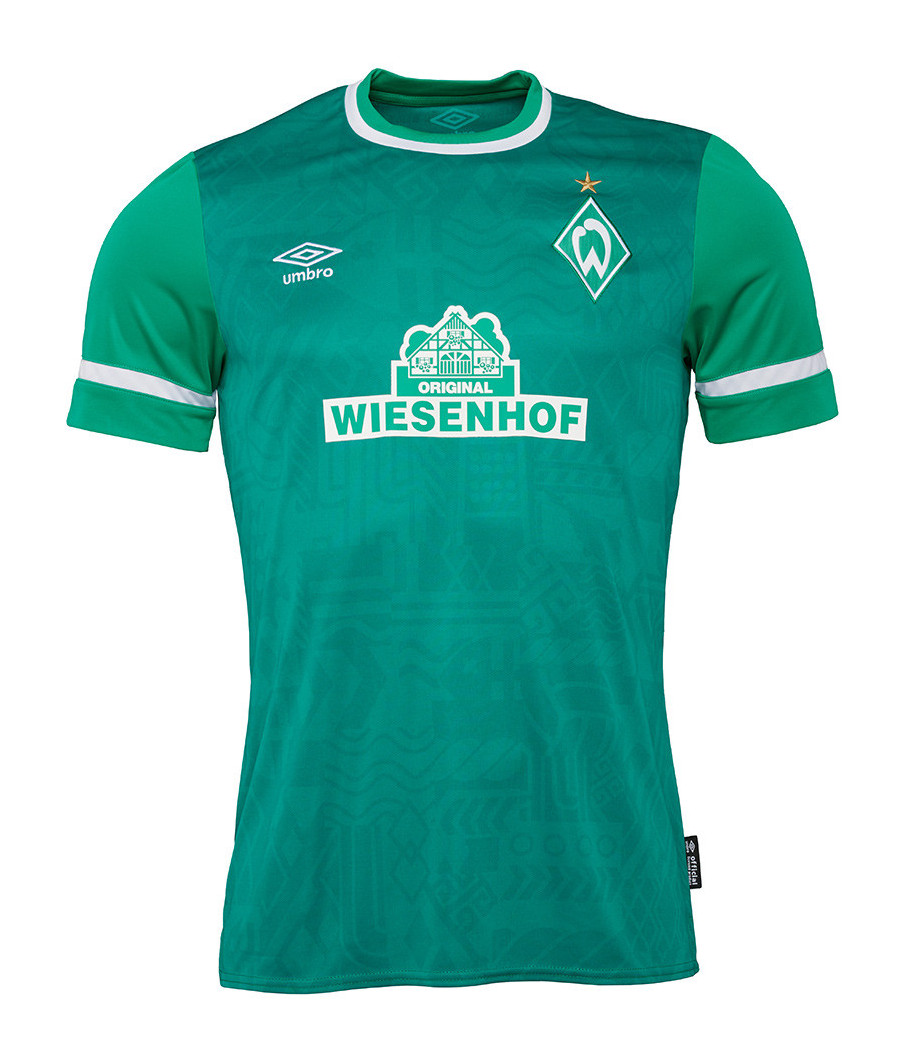
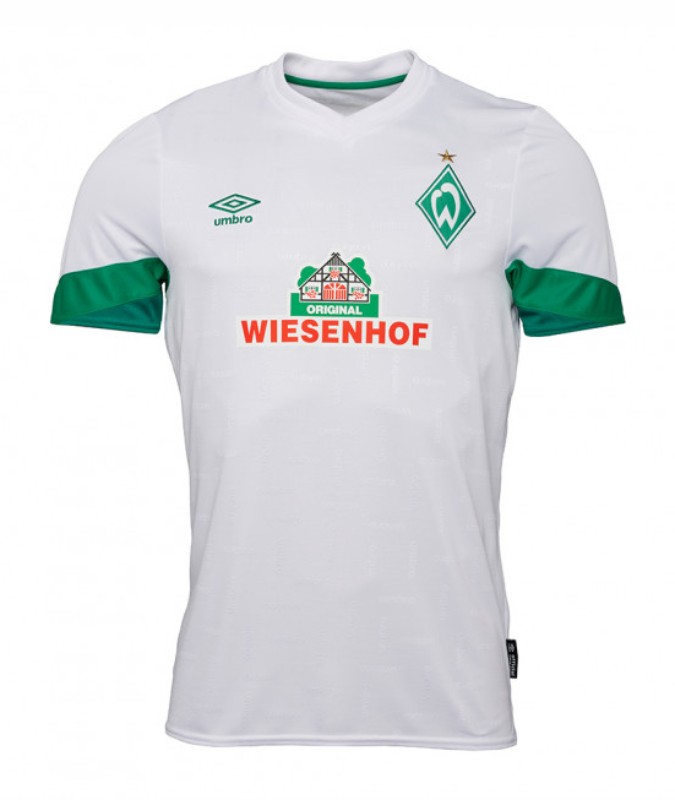
One season in the 2. Bundesliga was enough. Werder were promoted as champions in 2022, returning to the Bundesliga with a younger squad and a new direction. The Umbro kits worn through the early 2020s, including the relegation and promotion seasons, represent this transitional chapter.
Browse all Werder kitsKit history: the green and white stripes through manufacturers
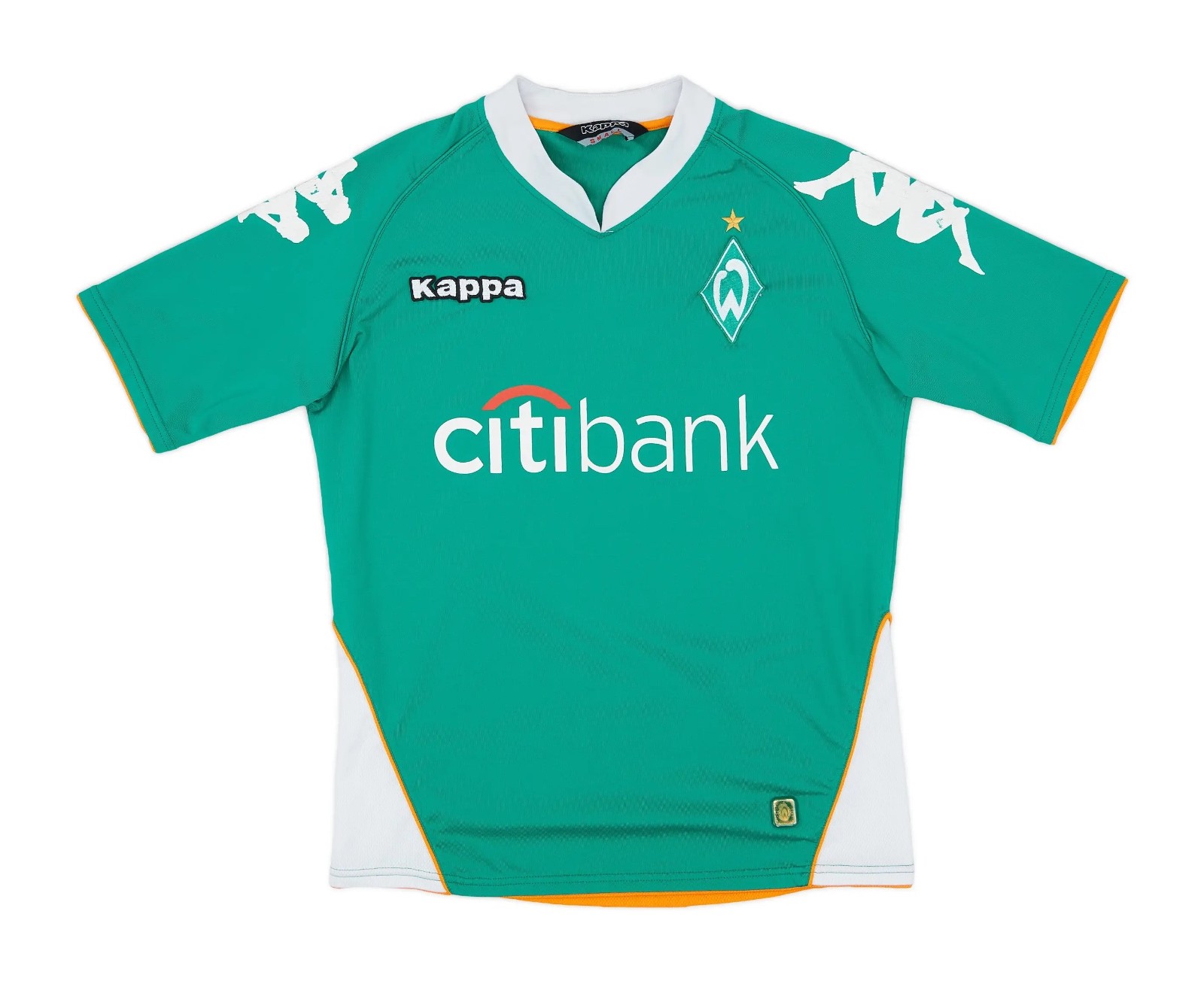
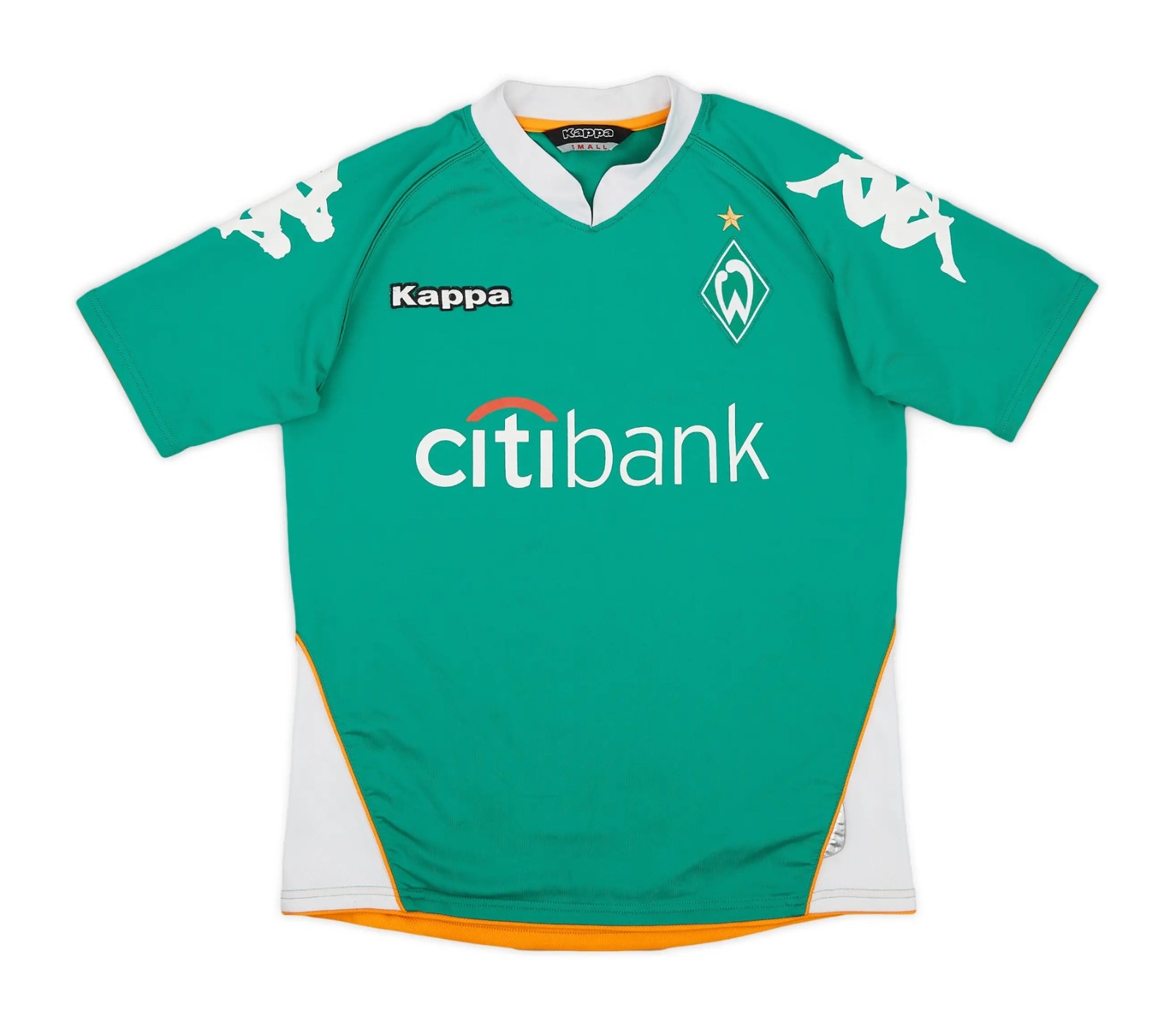
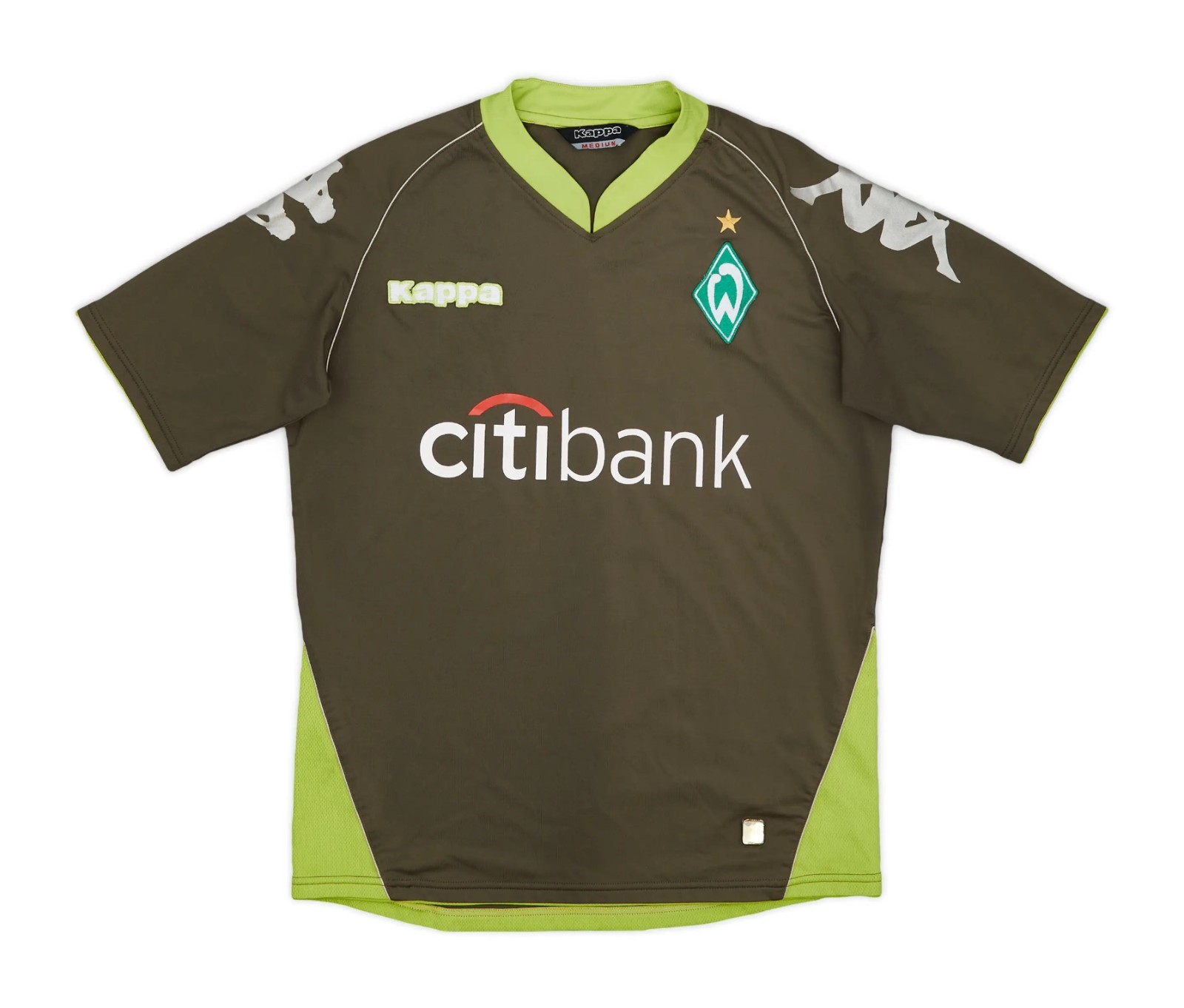
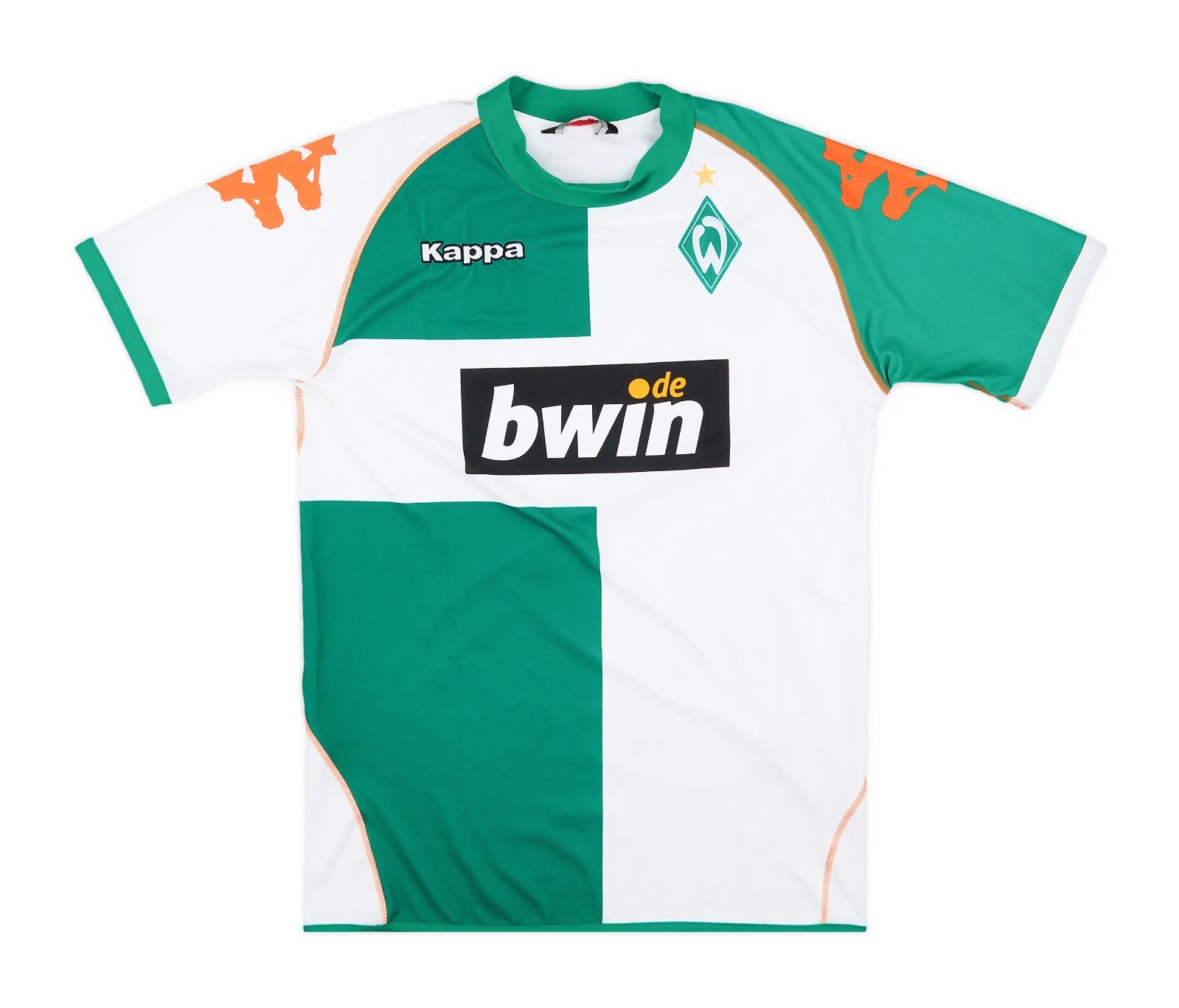
Werder's most historically loaded kit period. Kappa produced the shirts worn during the 2004 double, the Diego years, and the UEFA Cup campaigns. The Kappa Omini logo sits cleanly on the green stripe. The best of the Kappa archive is in this decade.
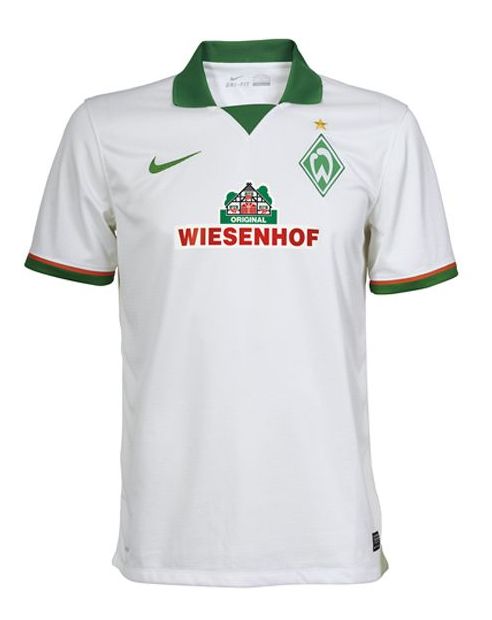
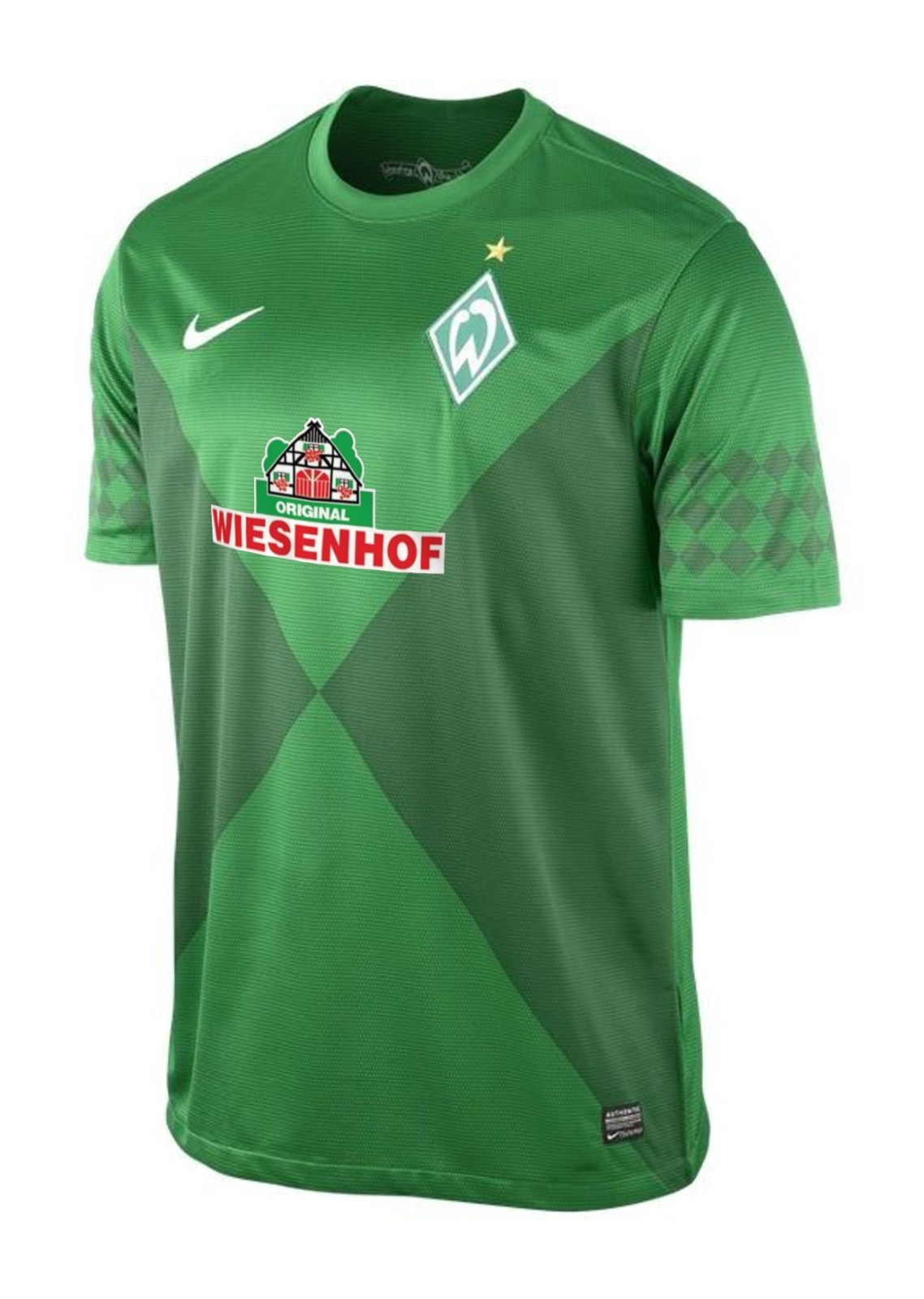
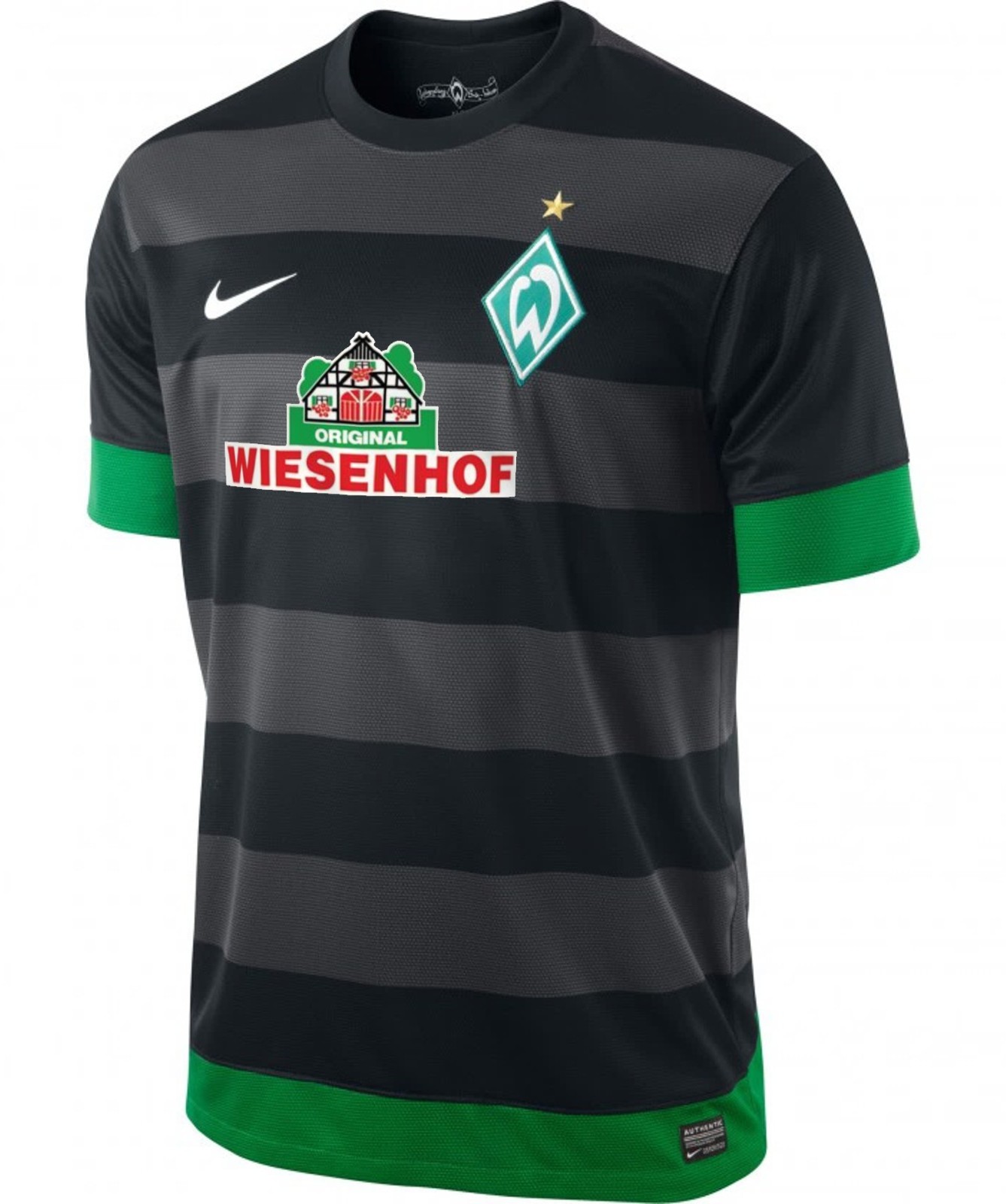
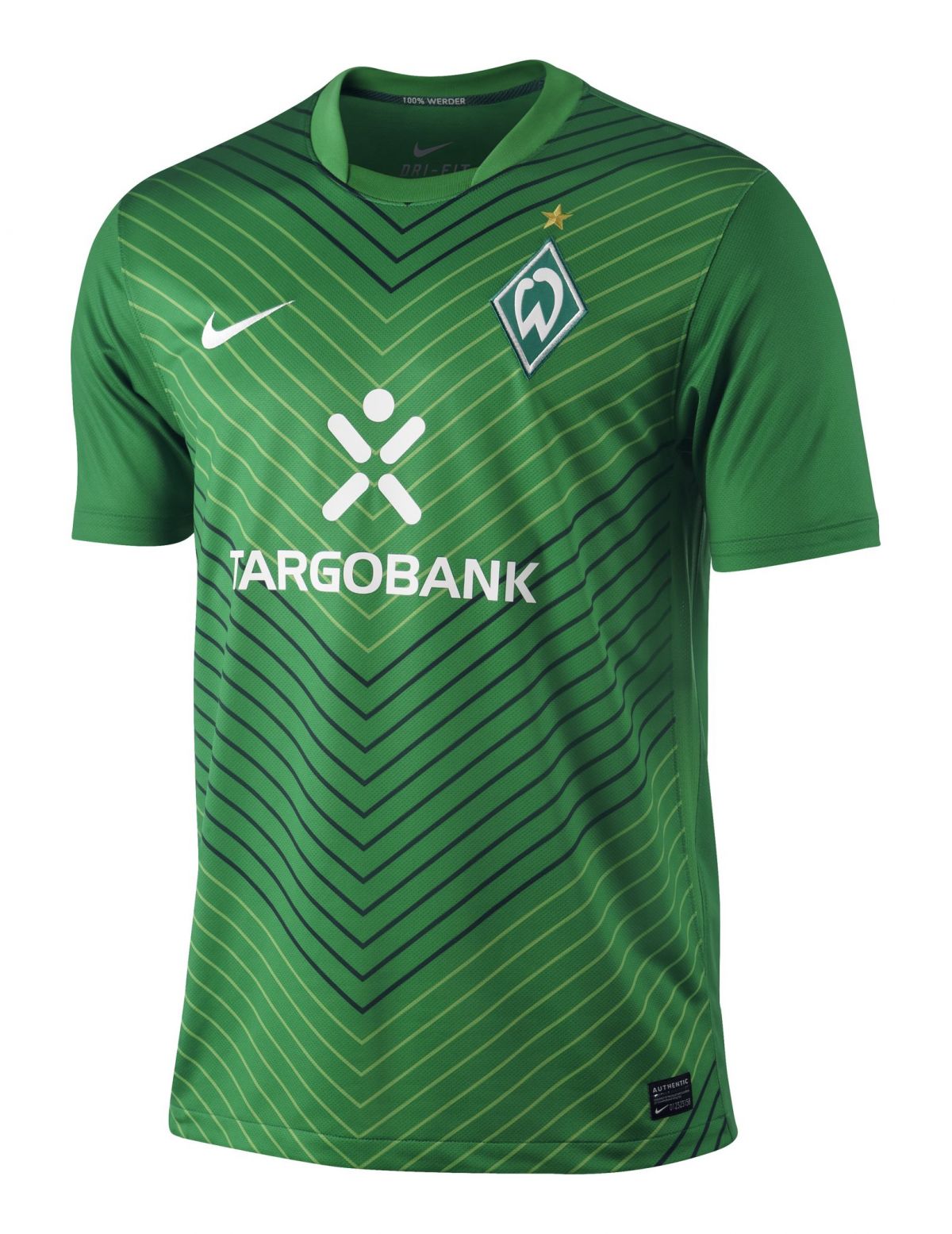
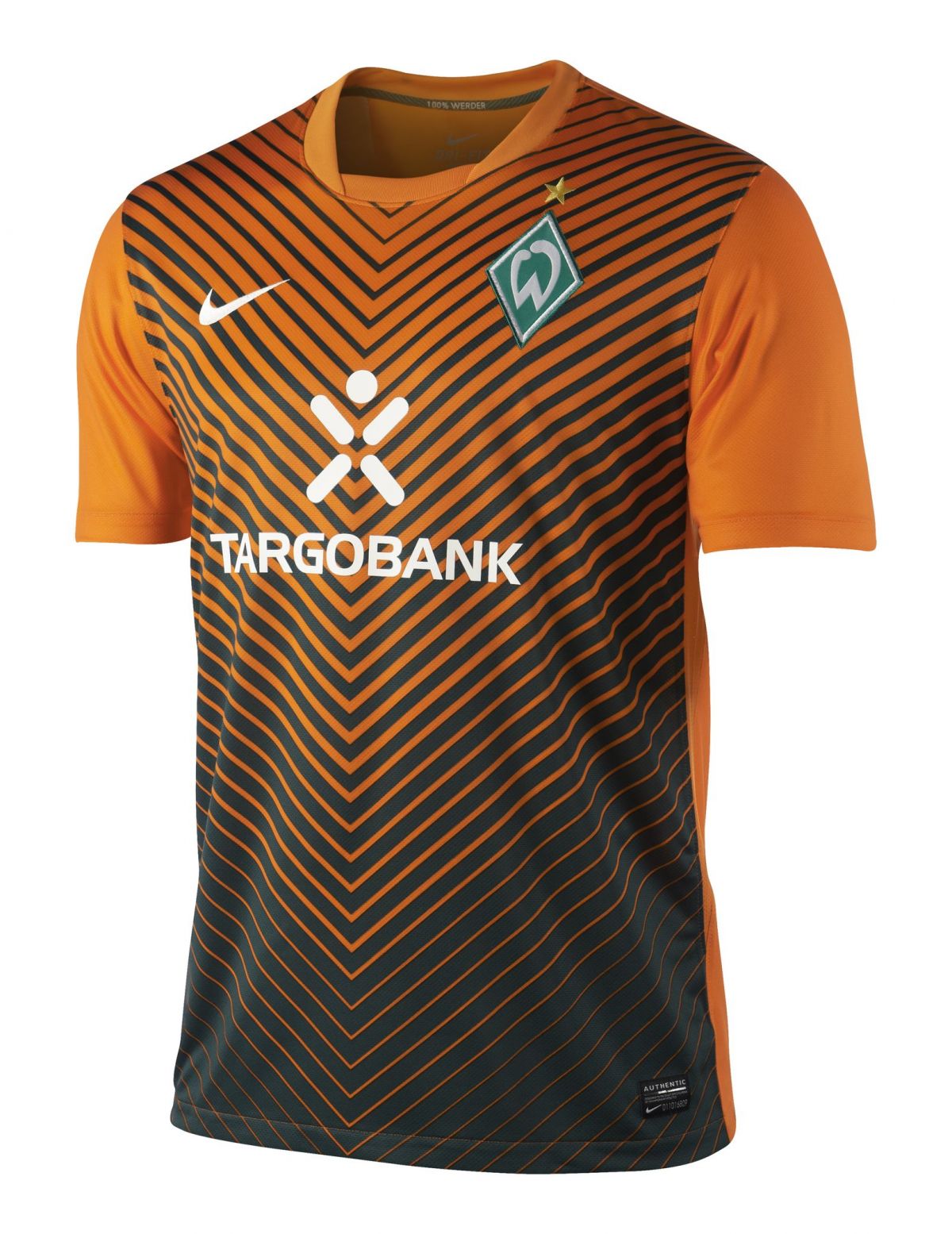
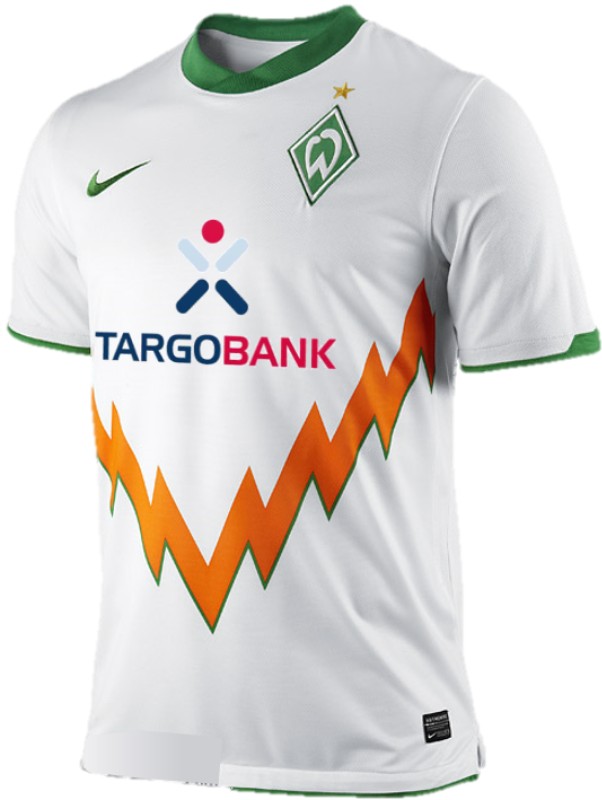
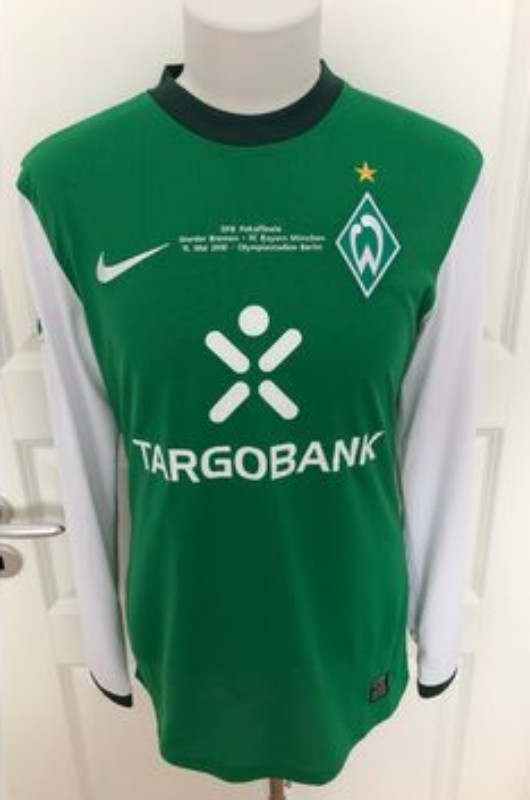
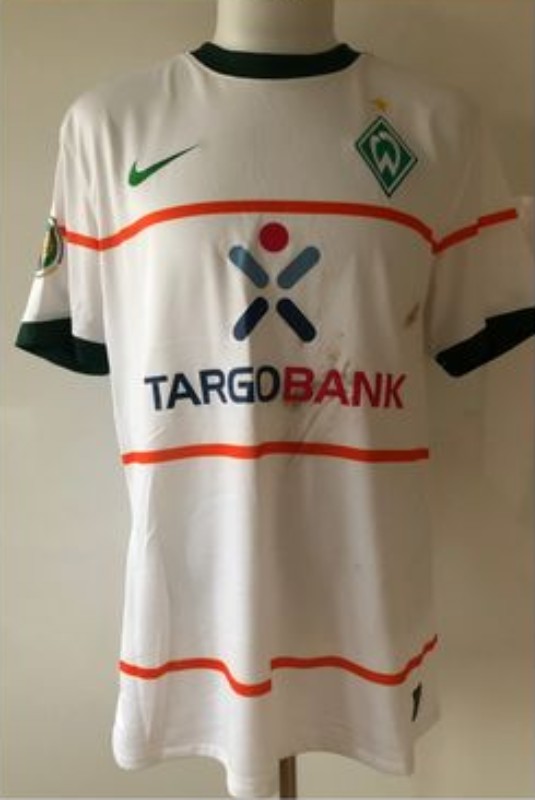
A decade of Nike production spanning Bundesliga competitiveness and gradual decline. The earlier Nike seasons, 2010-11 and 2011-12, still represent a strong Bundesliga side. Later seasons document the slow retreat from the top.
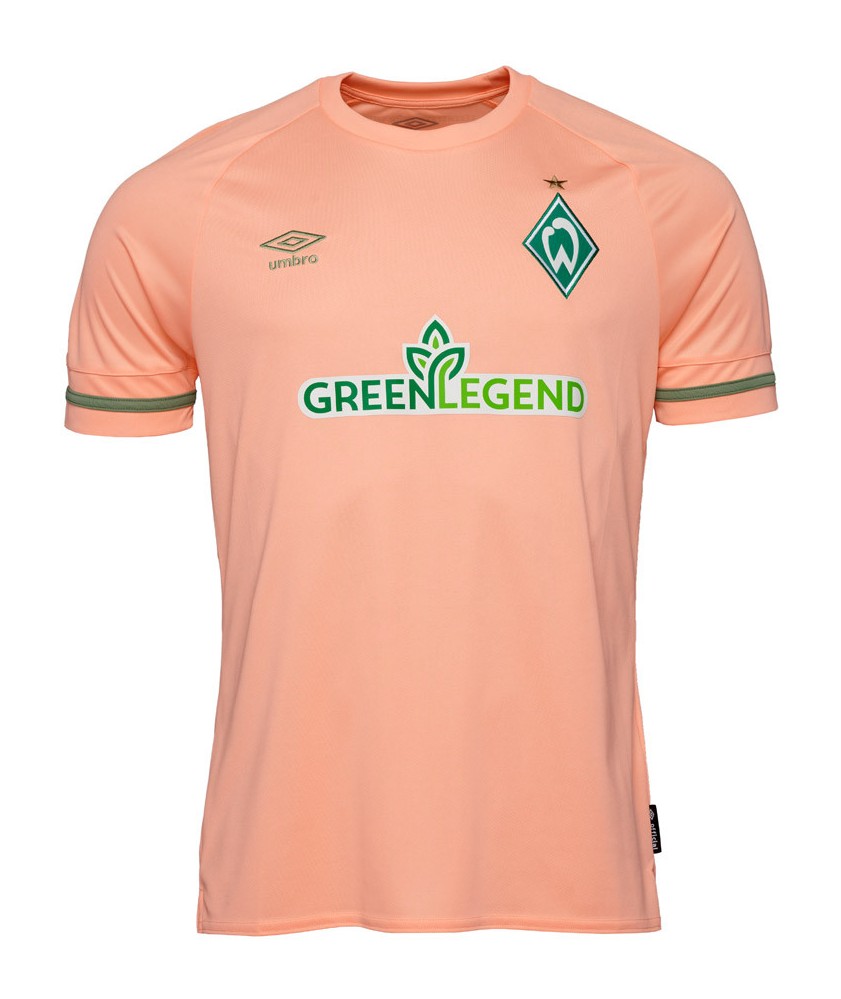
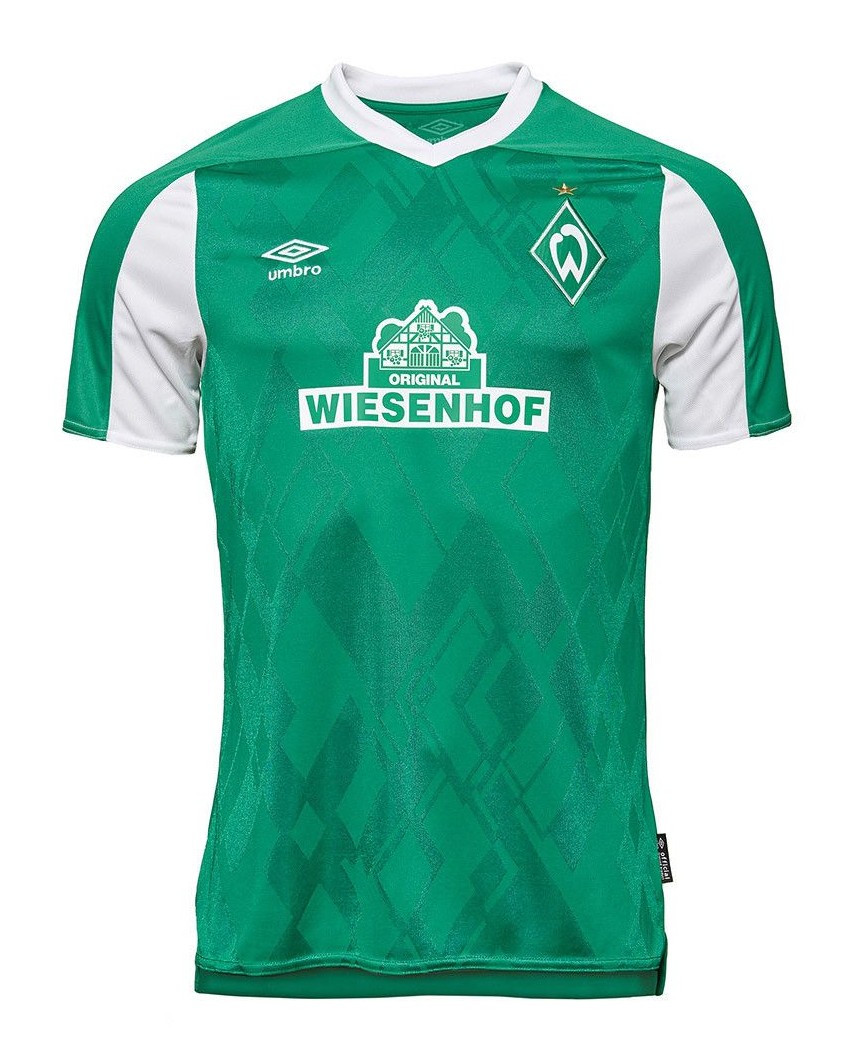
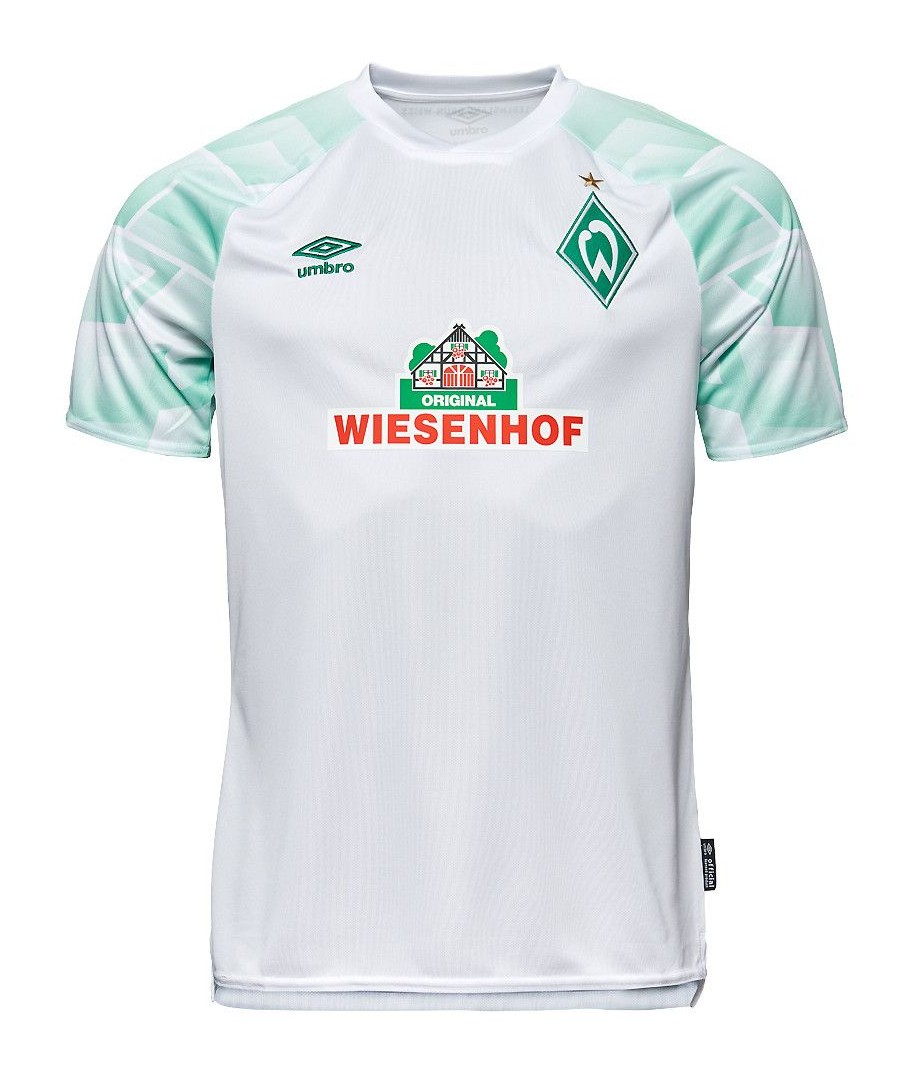
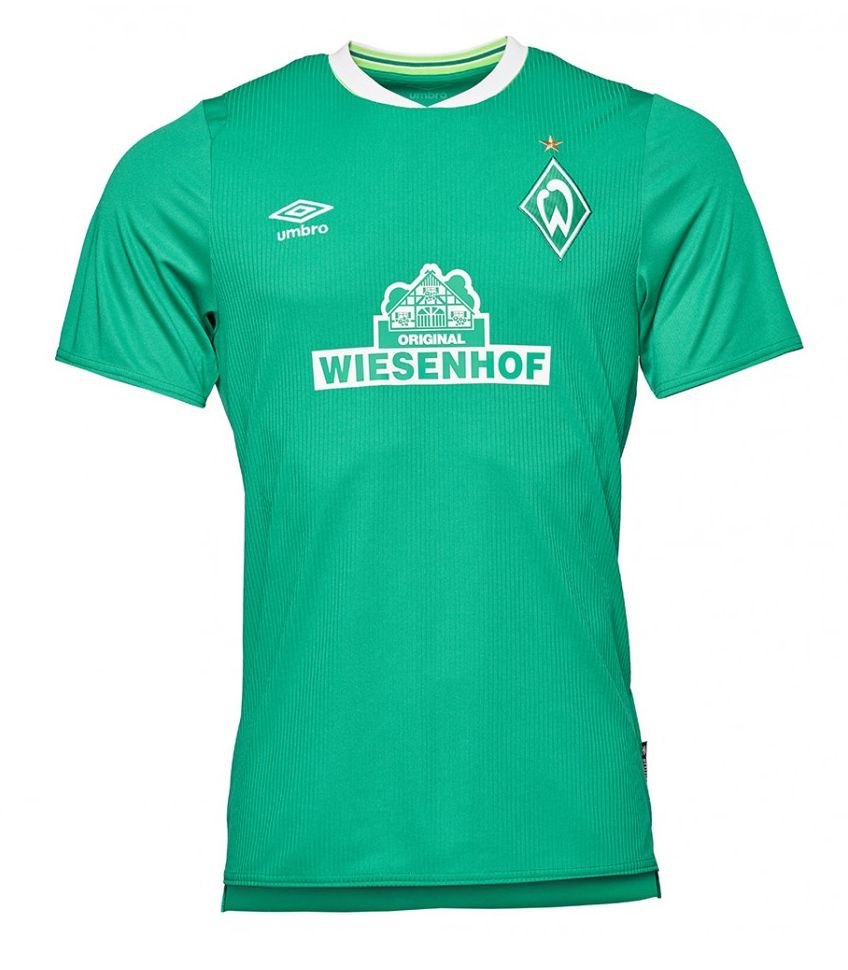
The Umbro years include the relegation season of 2020-21 and the 2. Bundesliga promotion campaign of 2021-22. Four seasons of honest construction on the classic stripe template. Less celebrated than the Kappa era but historically significant.
Hummel's return to the Bundesliga with Werder brings bespoke design back after the Nike and Umbro template periods. The green and white stripes with Hummel chevrons mark the current identity of the club. Early production has been well received.
Collector notes
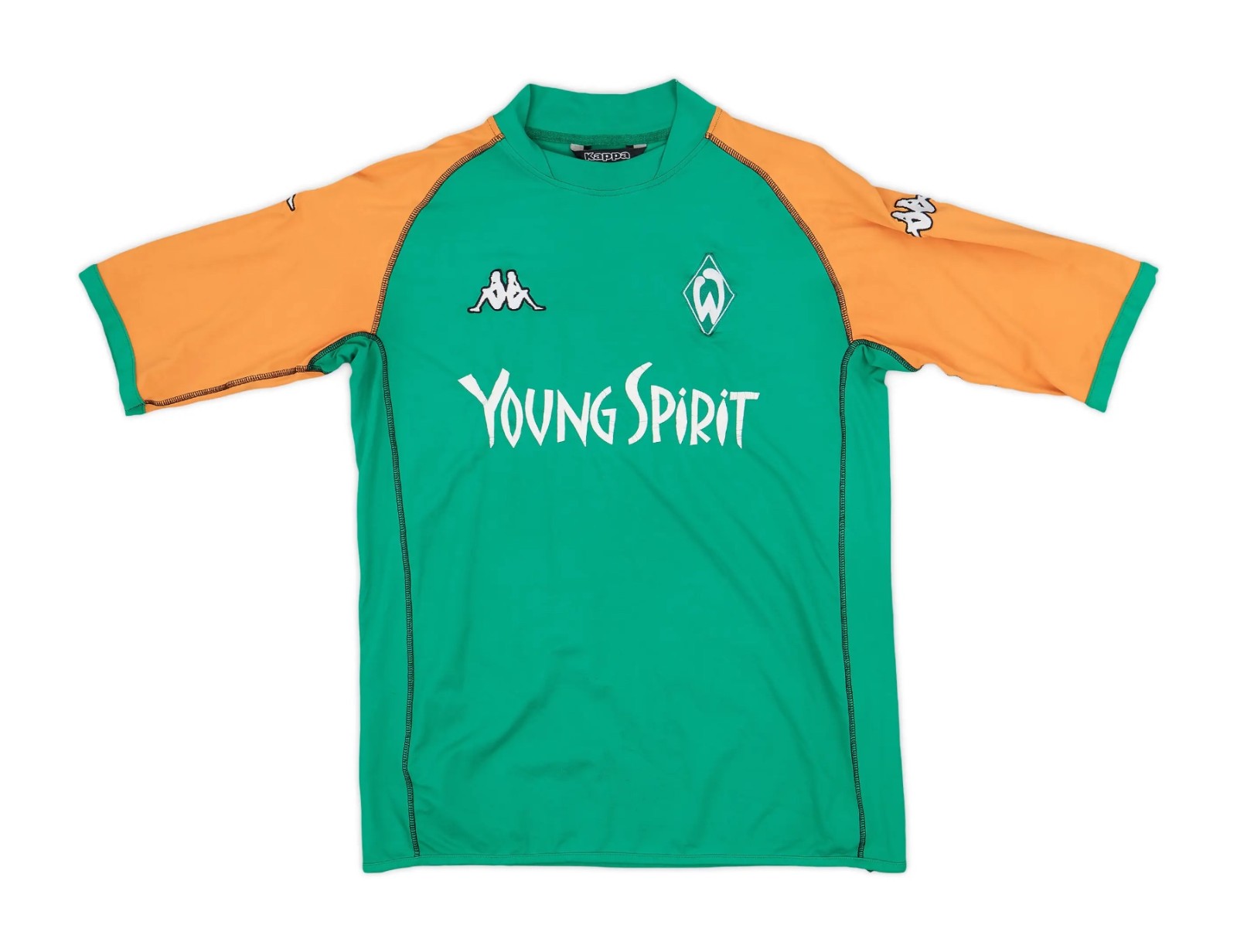
The double season. Bundesliga title and DFB-Pokal in the same year. Ailton scored 28 league goals wearing this shirt; Klose added his own. The Kappa green and white stripes from this season are the starting point for any serious Werder collection.
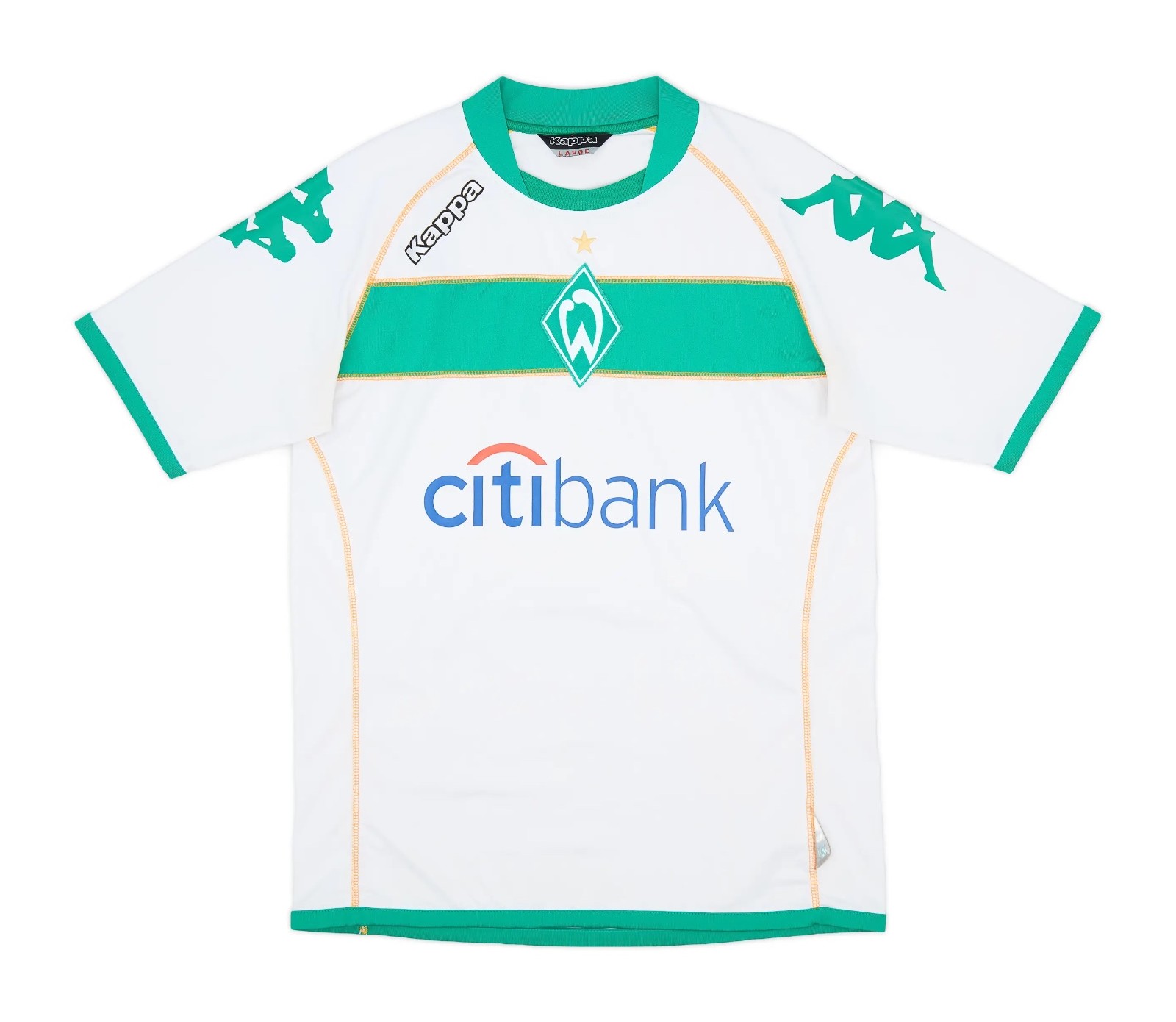
Diego's last full season at the club. Werder finished second in the Bundesliga in 2007-08 and remained competitive in European competition. The late Kappa era shirts hold steady value and represent the tail of the club's strongest period.
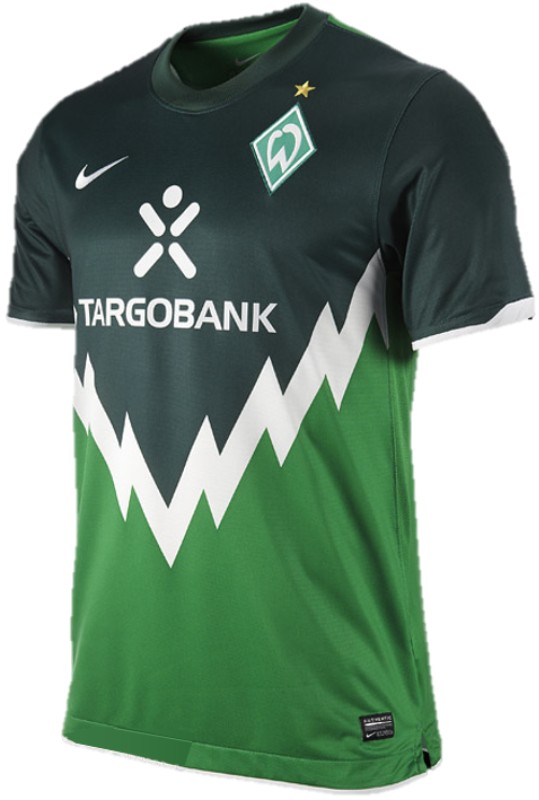
First year of the Nike era. Werder finished third in the Bundesliga and remained a top-four side. Nike's template production on the stripes is clean. The early Nike seasons are better documented in the archive than the later ones.
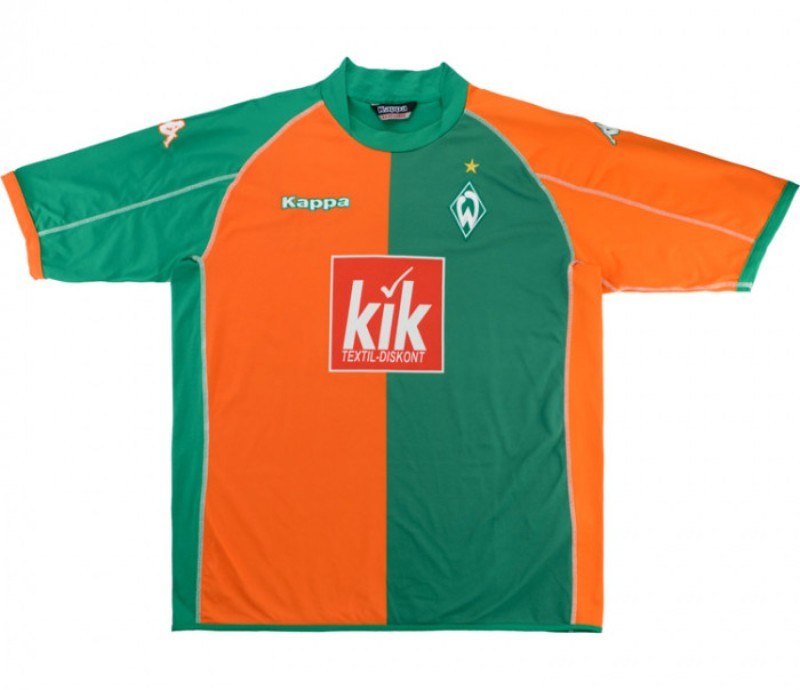
The year after the double. Werder finished second in the Bundesliga and won the DFB-Pokal again. Pizarro, Klose and Johan Micoud were still in the squad. Priced below the 2003-04 shirt but the context is nearly as strong.
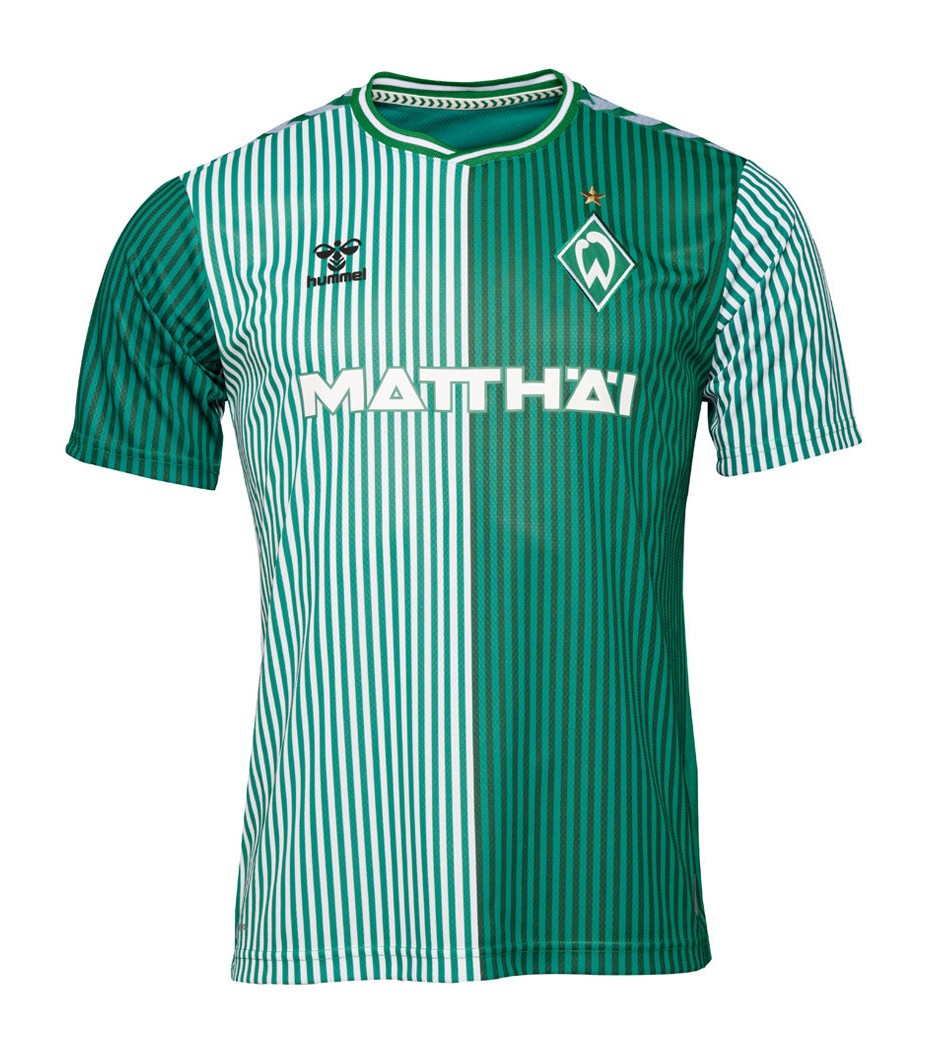
First Hummel season after the return to the Bundesliga. The reintroduction of the chevron detailing on the stripes gives the shirt a specific identity. For collectors interested in current production, this is where the Hummel era starts.
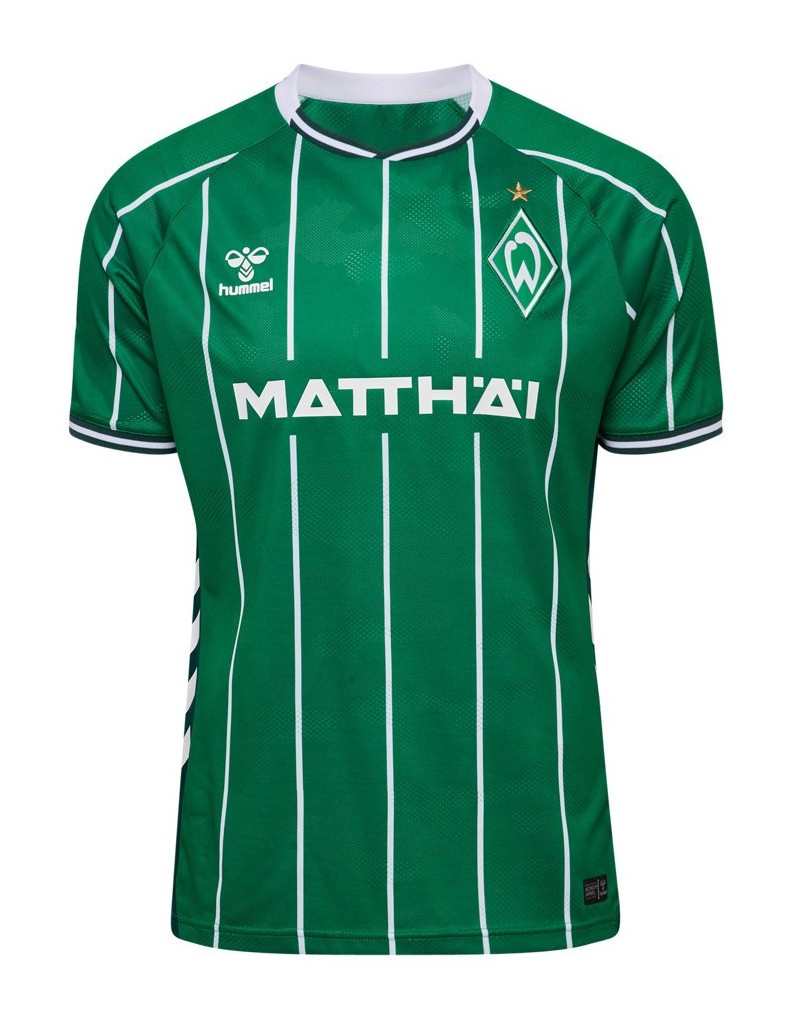
Current. Hummel's third season with the club, and the bespoke design quality is clear compared to template production. The green and white stripes with Hummel's handling of the collar and sleeve are among the better current Bundesliga kits.

2026/27
LiveHome
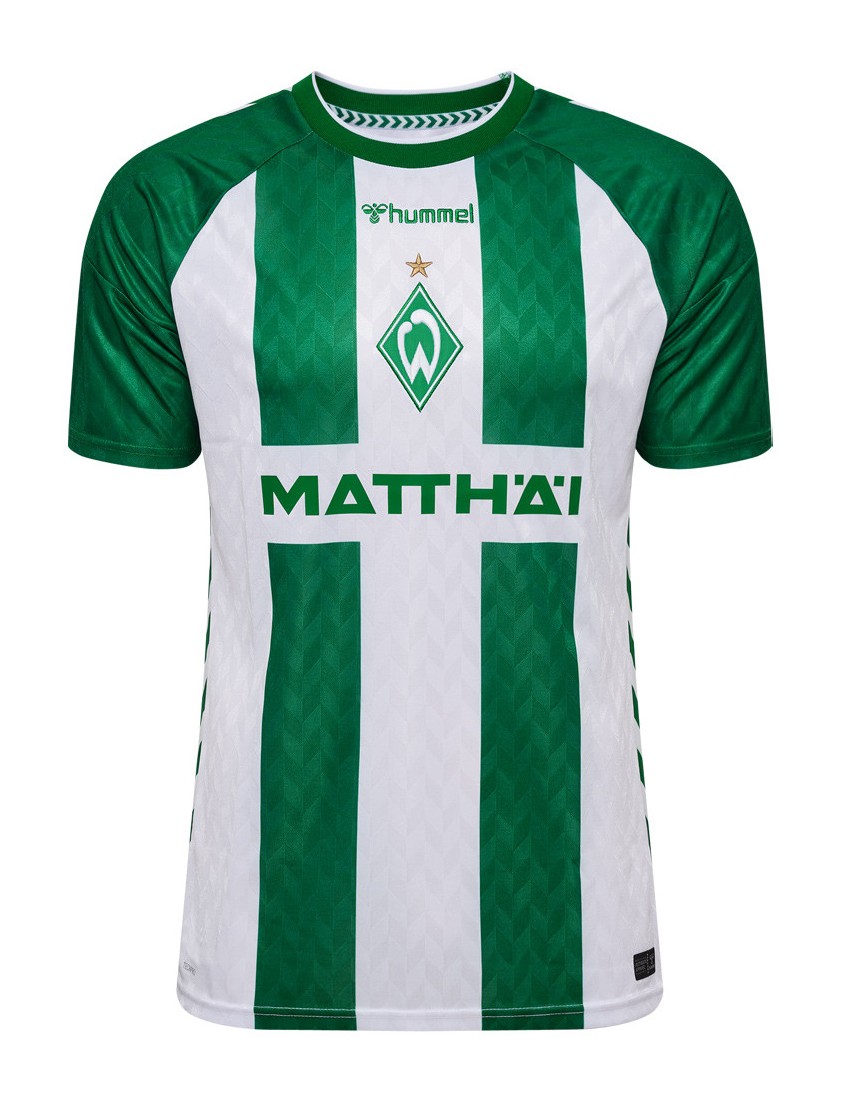
Away
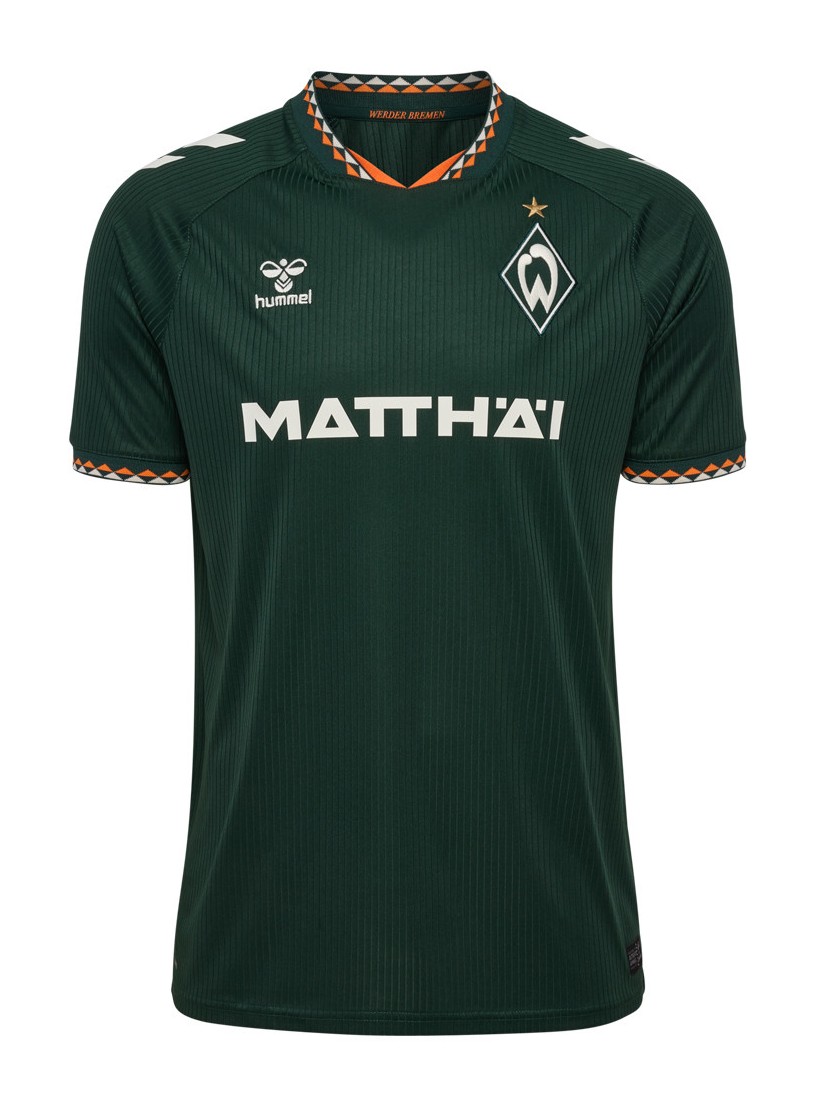
2025/26
FinishedAug 2025 – May 2026
Home
Away
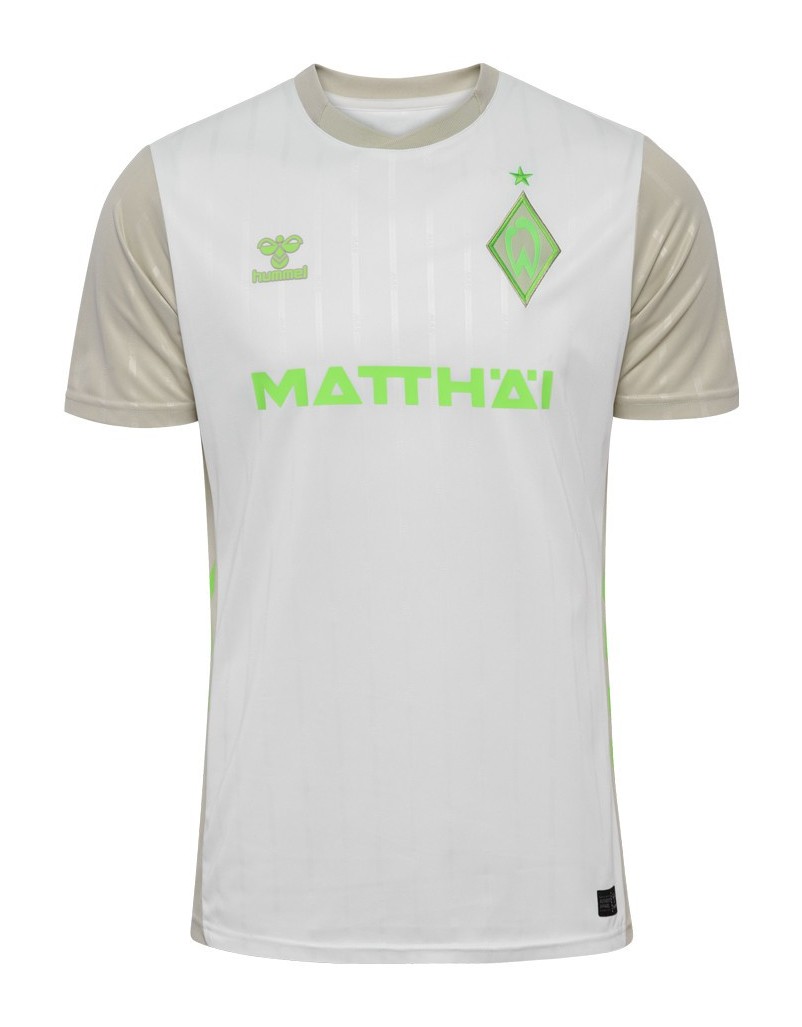
place
2024/25
FinishedJul 2024 – May 2025
Home
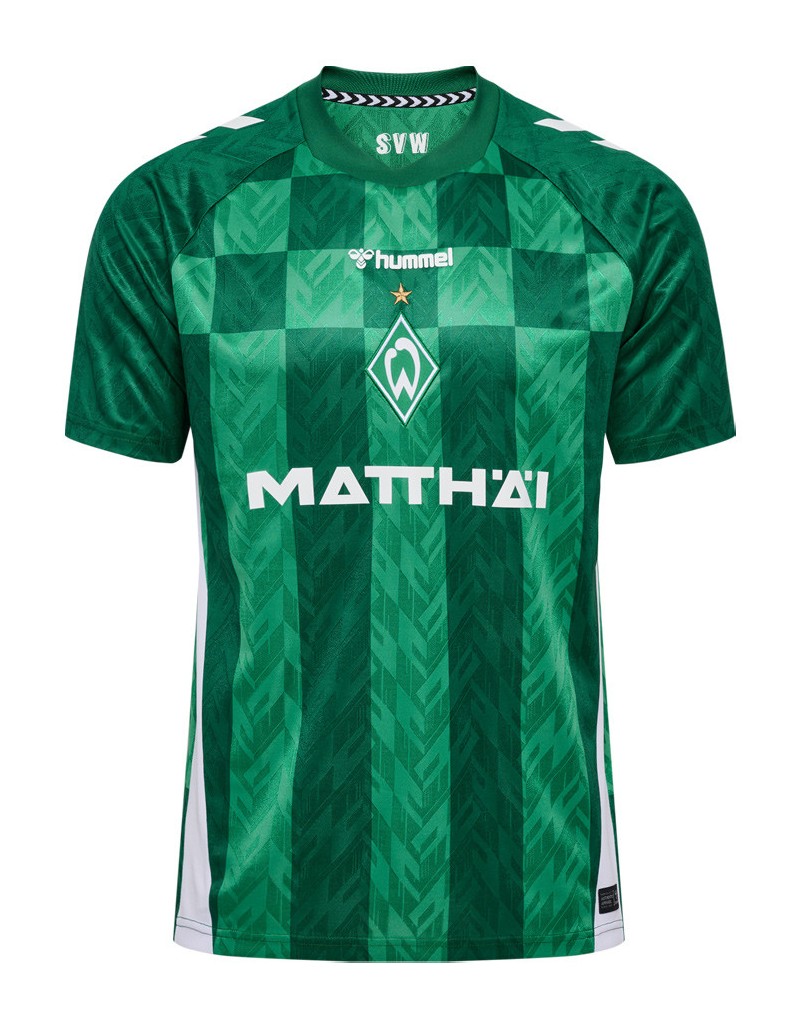
Away
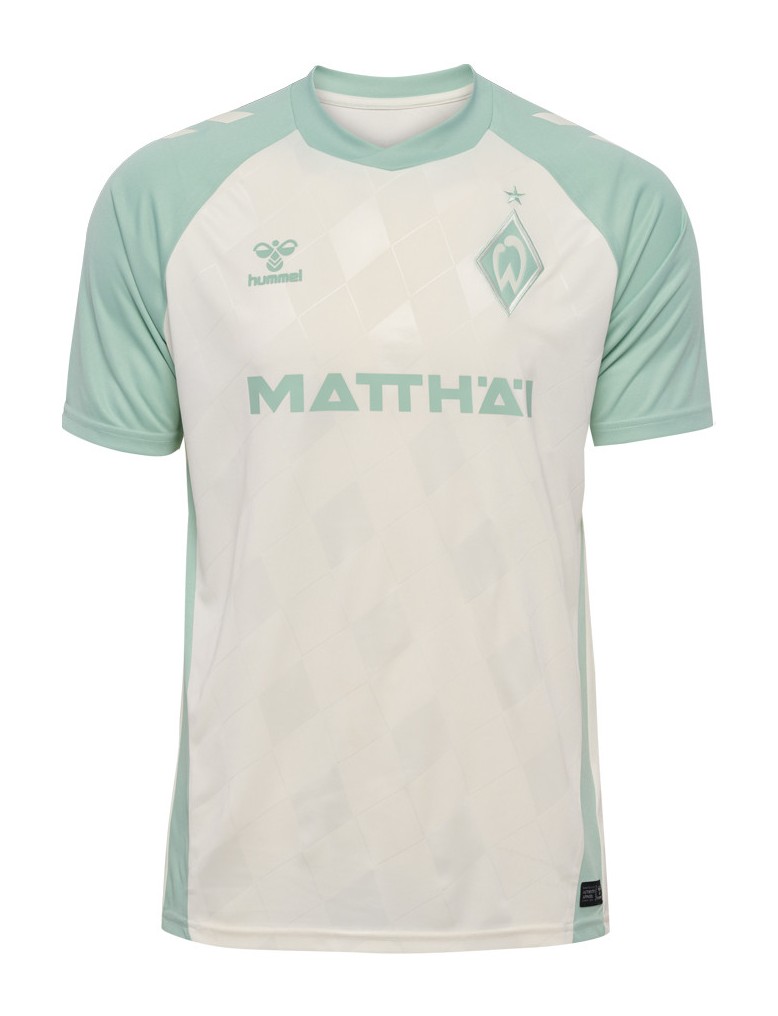
place
2023/24
FinishedJul 2023 – May 2024
Home
Away
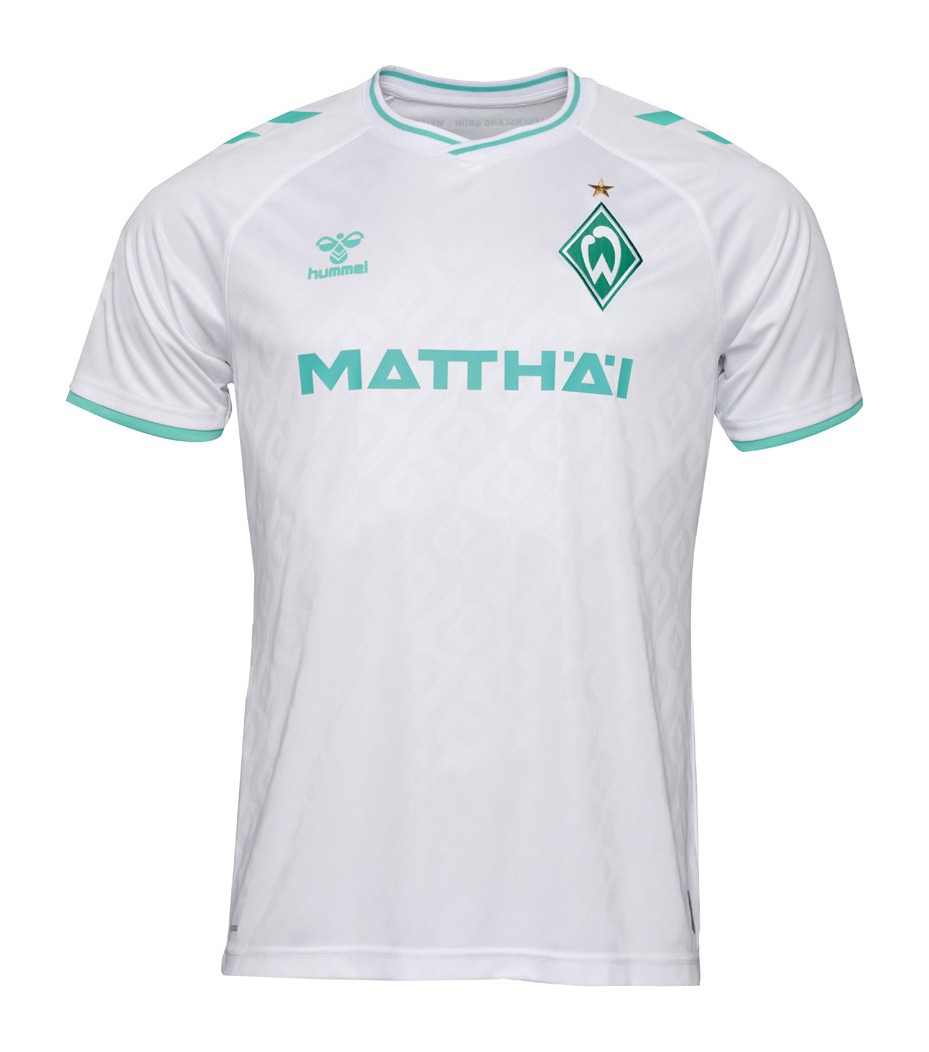
place
2022/23
FinishedJul 2022 – Jun 2023
Home
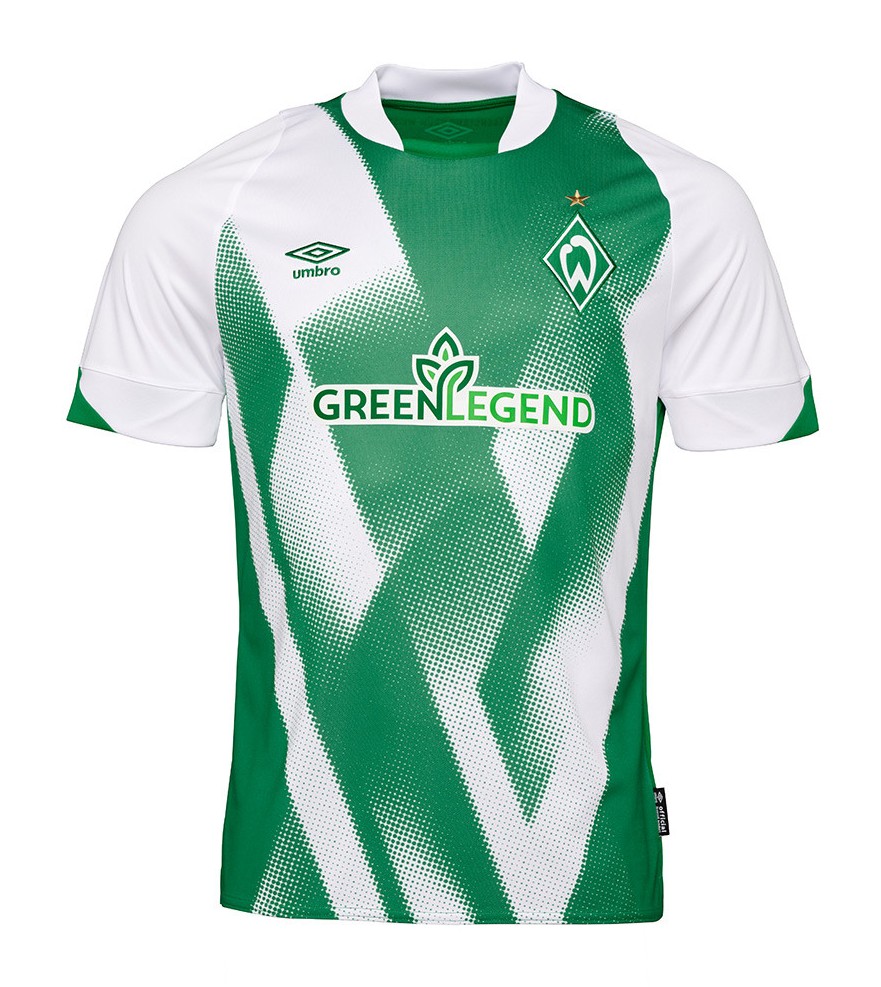
Away
place
2020/21
FinishedAug 2020 – May 2021
Home
Away
place
2019/20
FinishedJul 2019 – Jul 2020
Home
Away
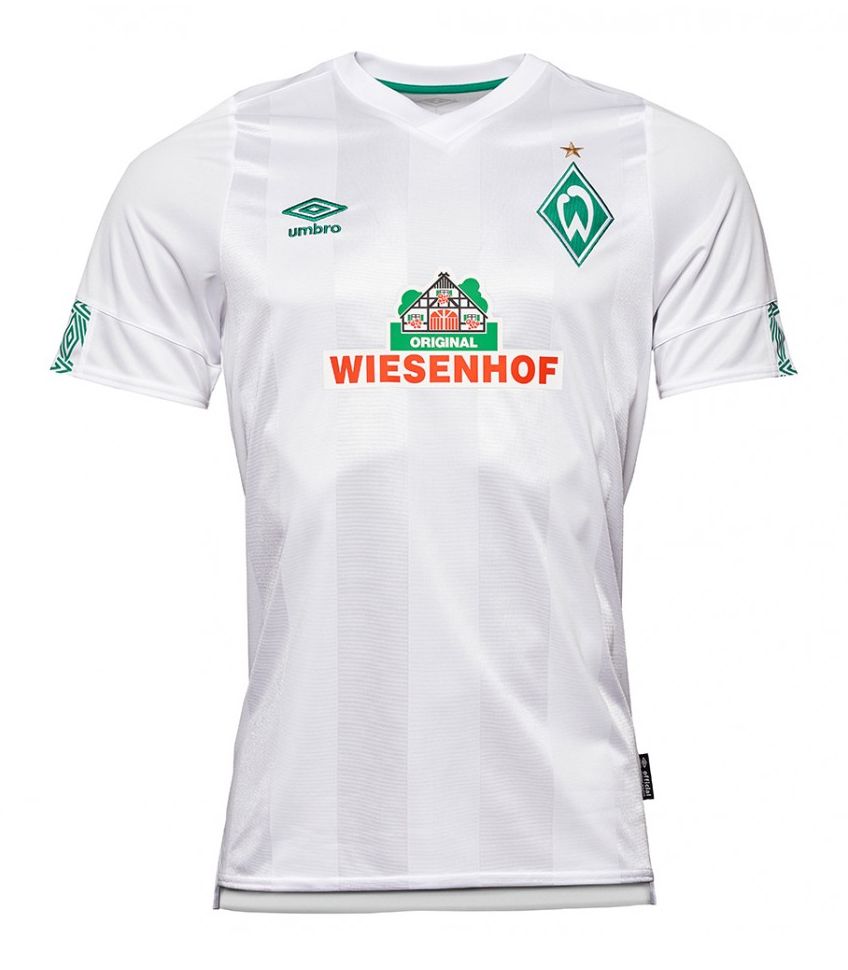
place
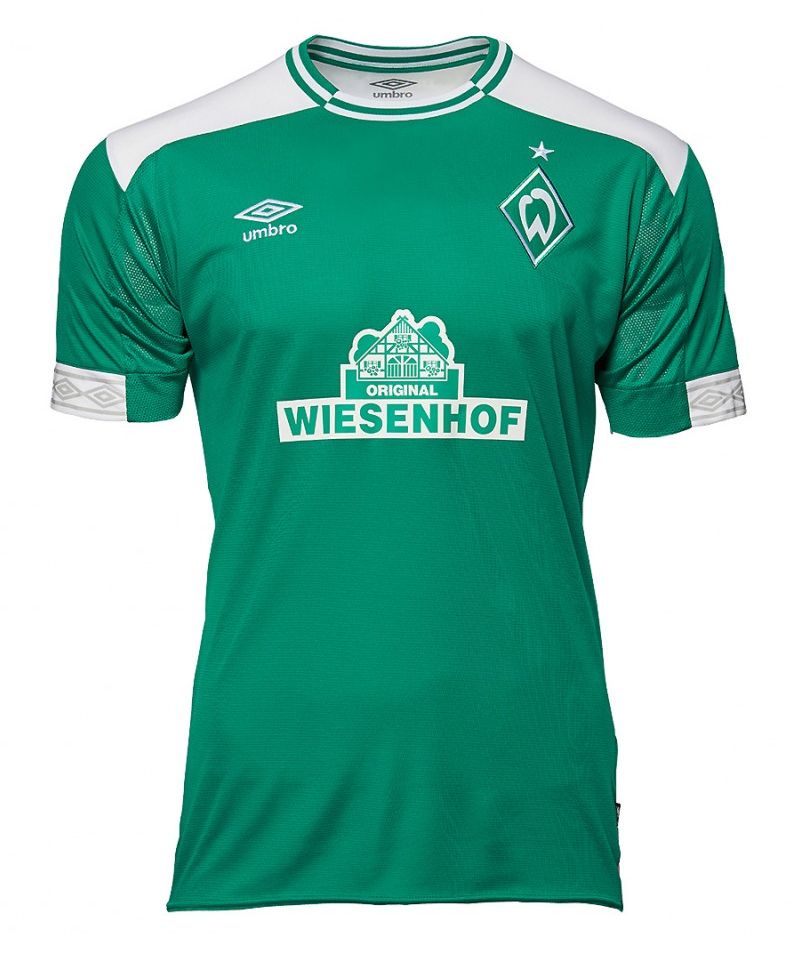
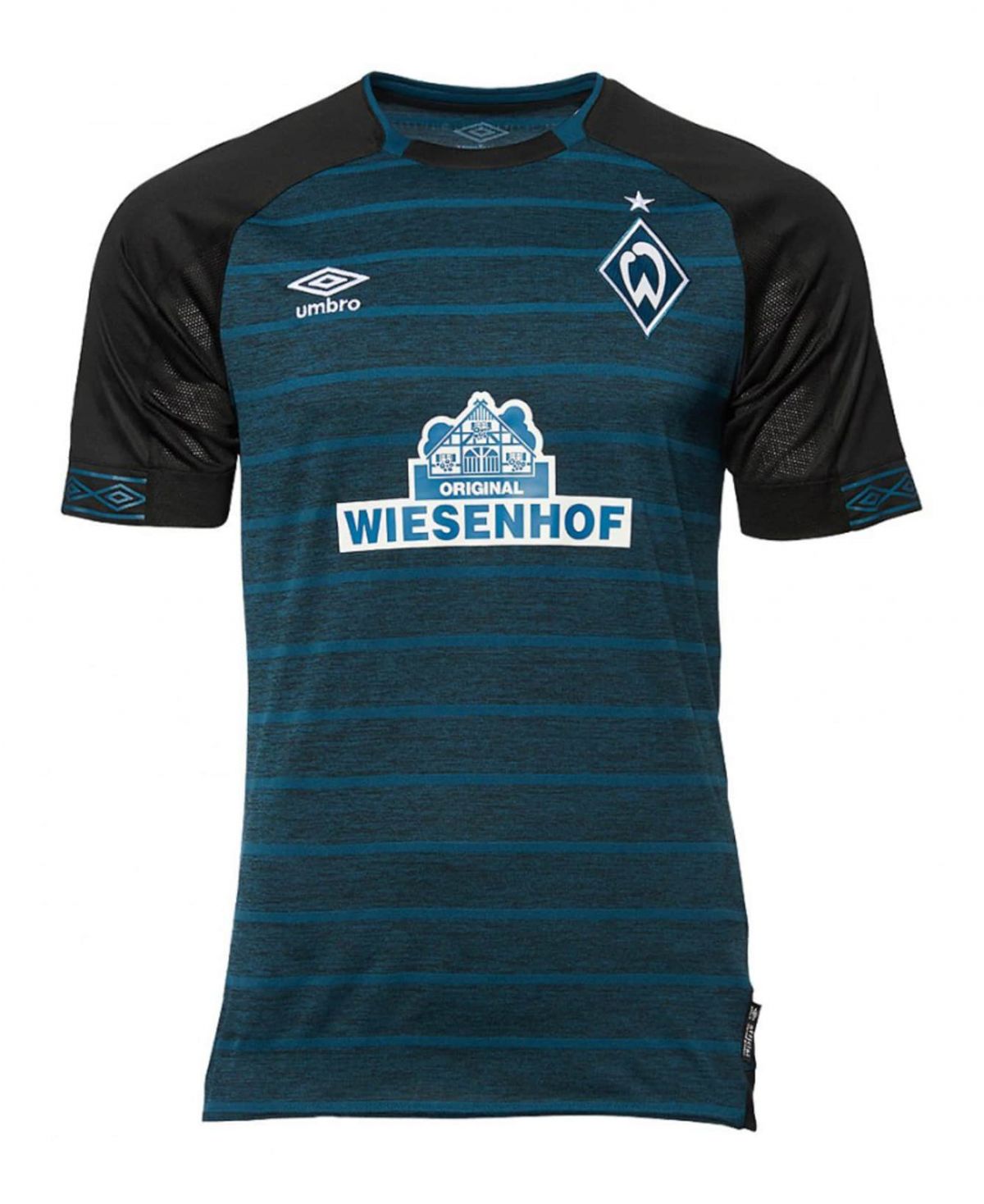
2018/19
FinishedJul 2018 – May 2019
Home
Away
place
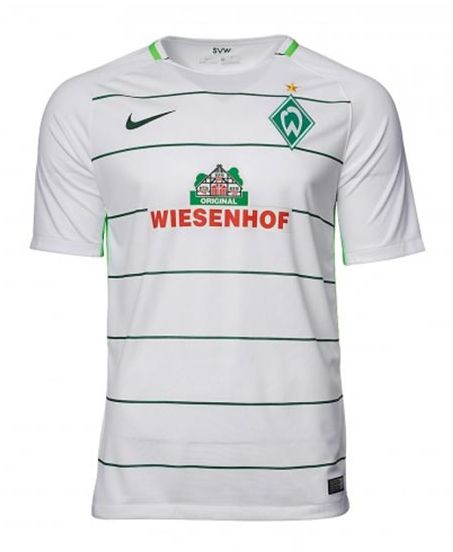
2017/18
FinishedJul 2017 – May 2018
Home
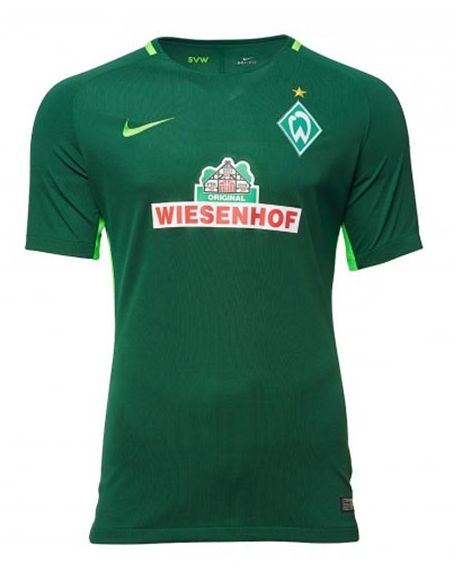
Away
place
2016/17
FinishedJul 2016 – May 2017
Home
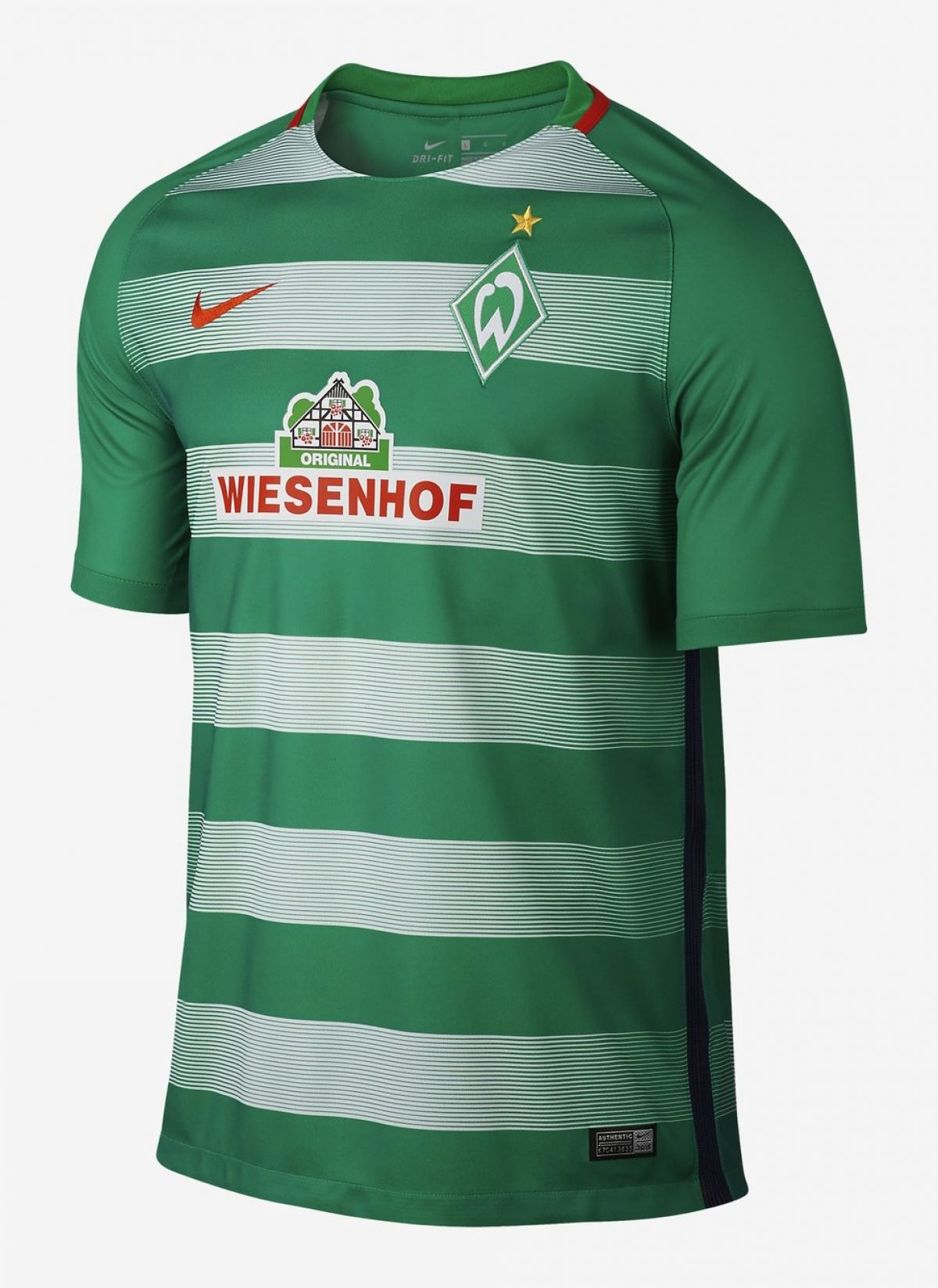
Away
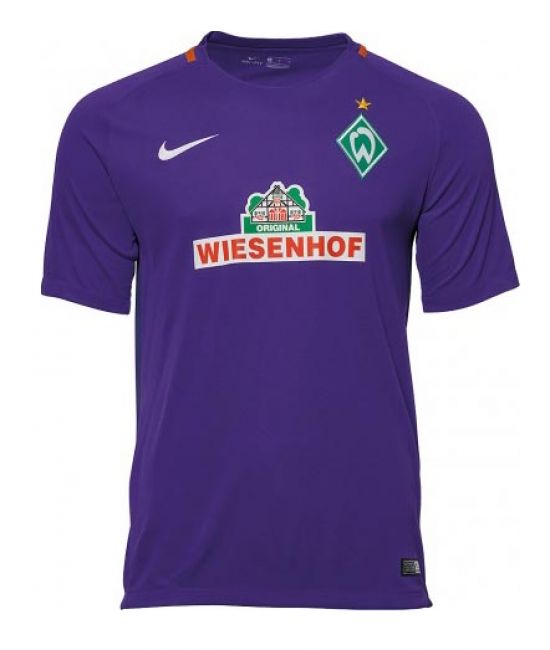
place
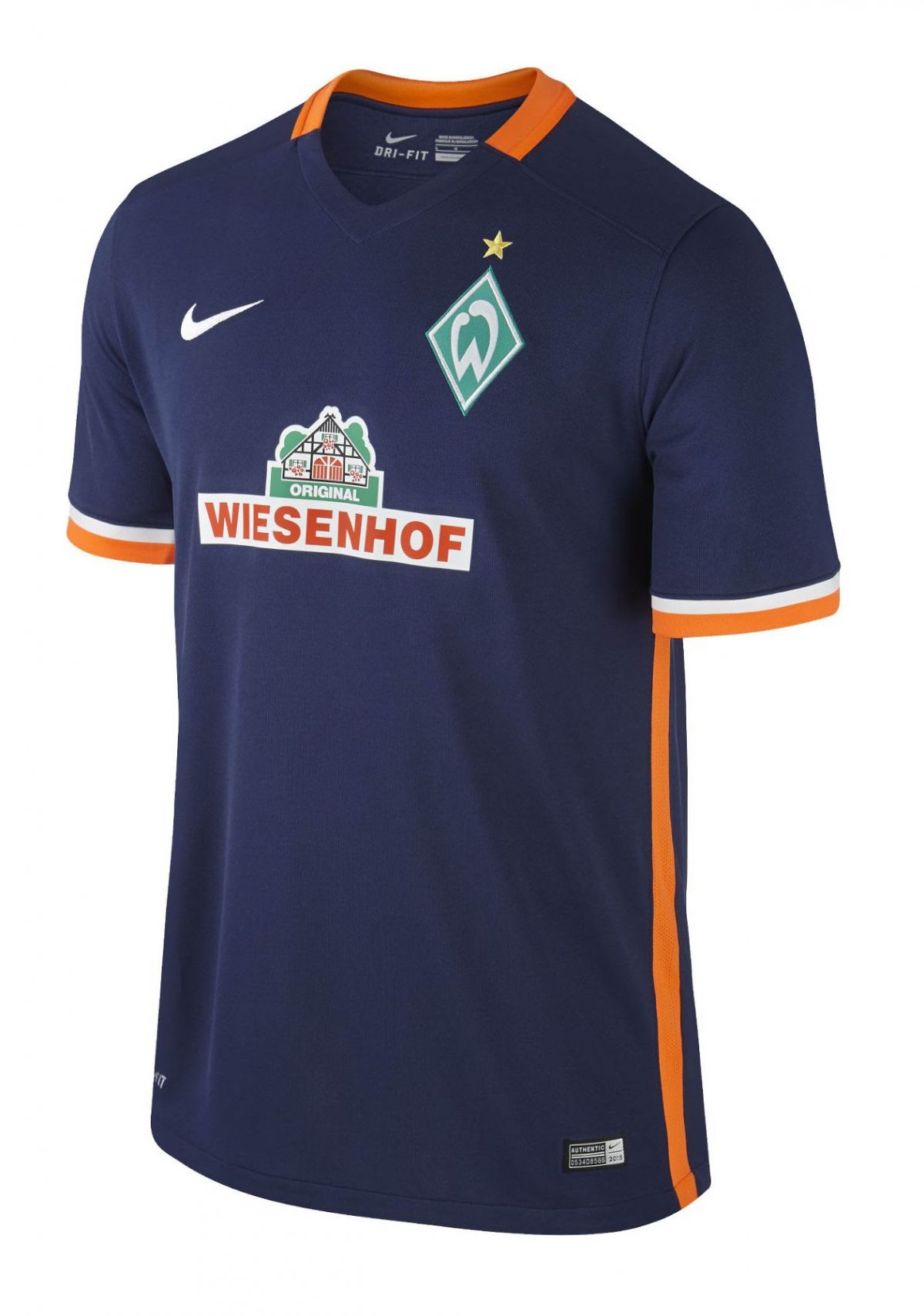
2015/16
FinishedJul 2015 – May 2016
Home
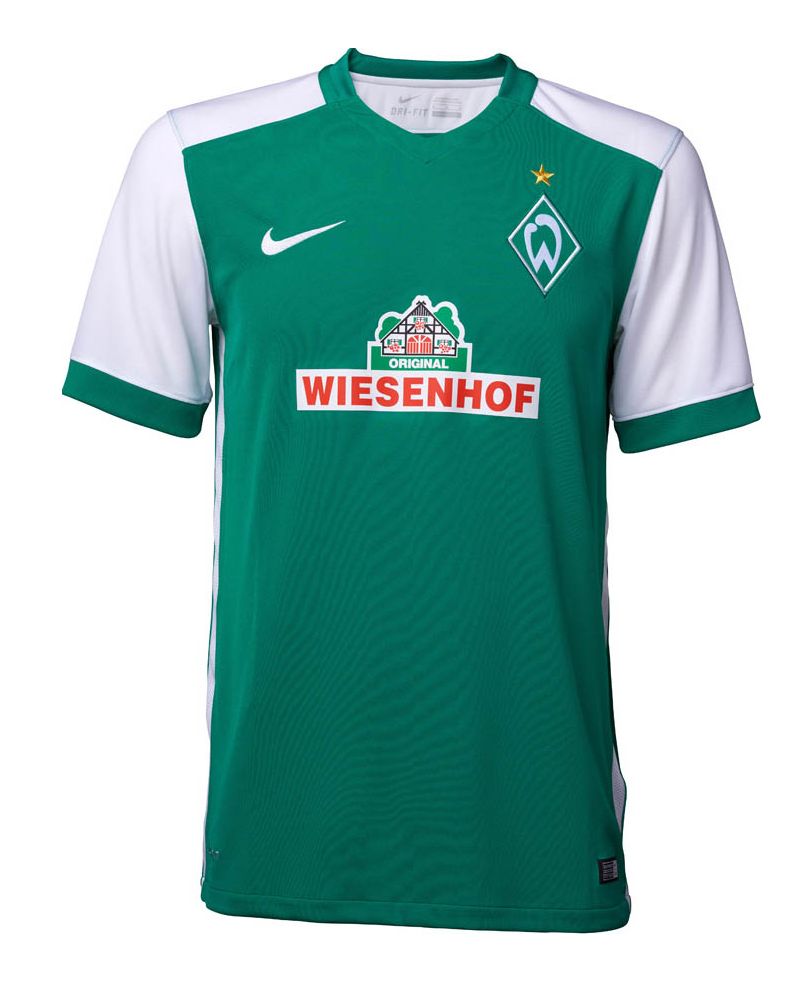
Away
place
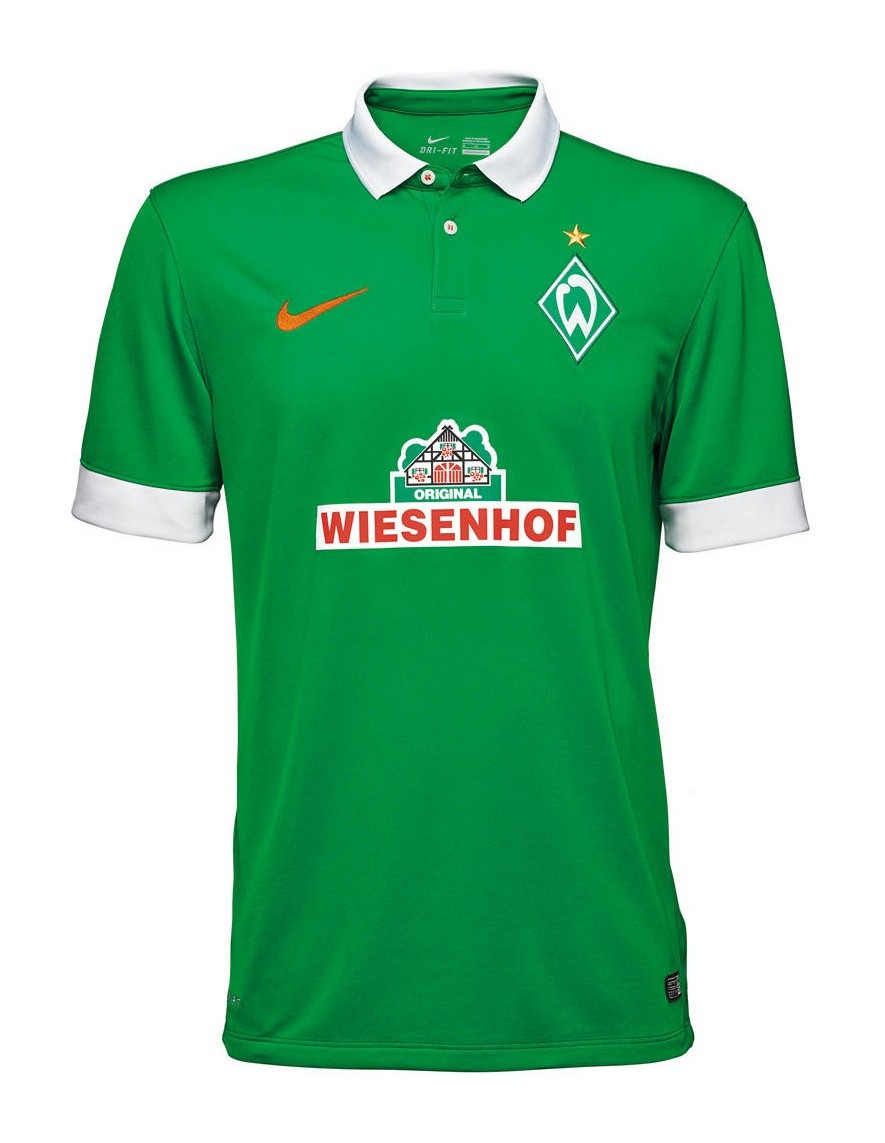
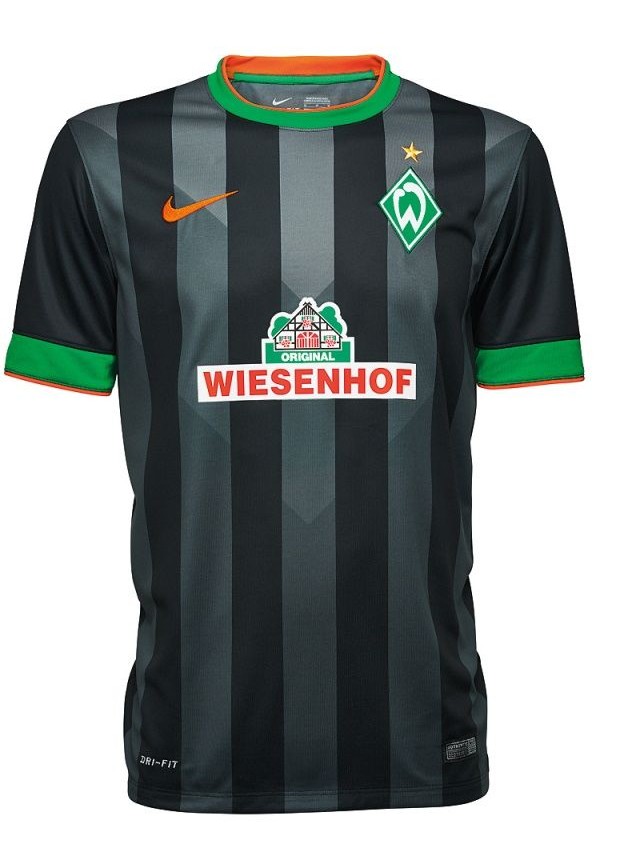
2014/15
FinishedJul 2014 – May 2015
Home
Away
place
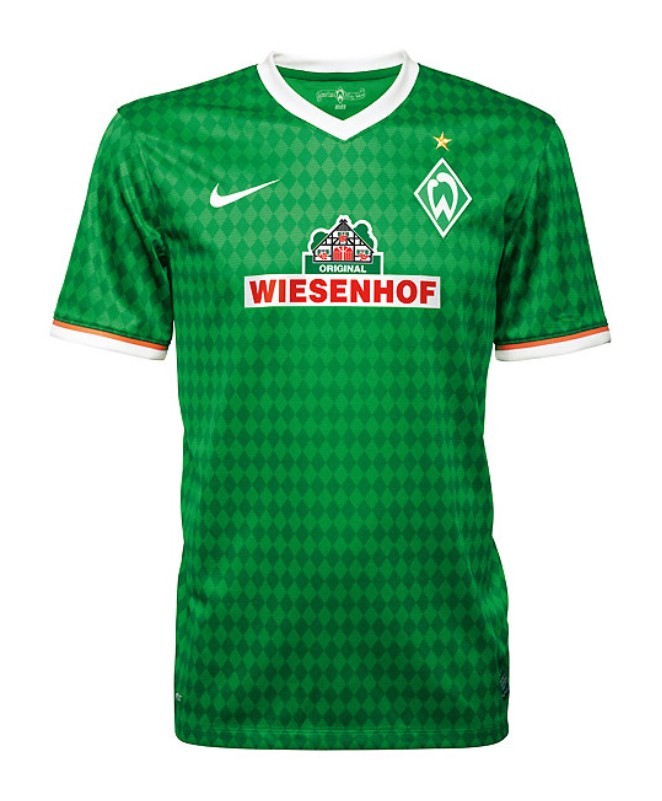
2013/14
FinishedJul 2013 – May 2014
Home
Away
place
2012/13
FinishedJul 2012 – May 2013
Home
Away
place
2011/12
FinishedJul 2011 – May 2012
Home
Away
place
2010/11
FinishedJul 2010 – May 2011
Home
Away
place
2009/10
FinishedHome
Away
place
2008/09
FinishedHome
Away
place
2007/08
FinishedHome
Away
place
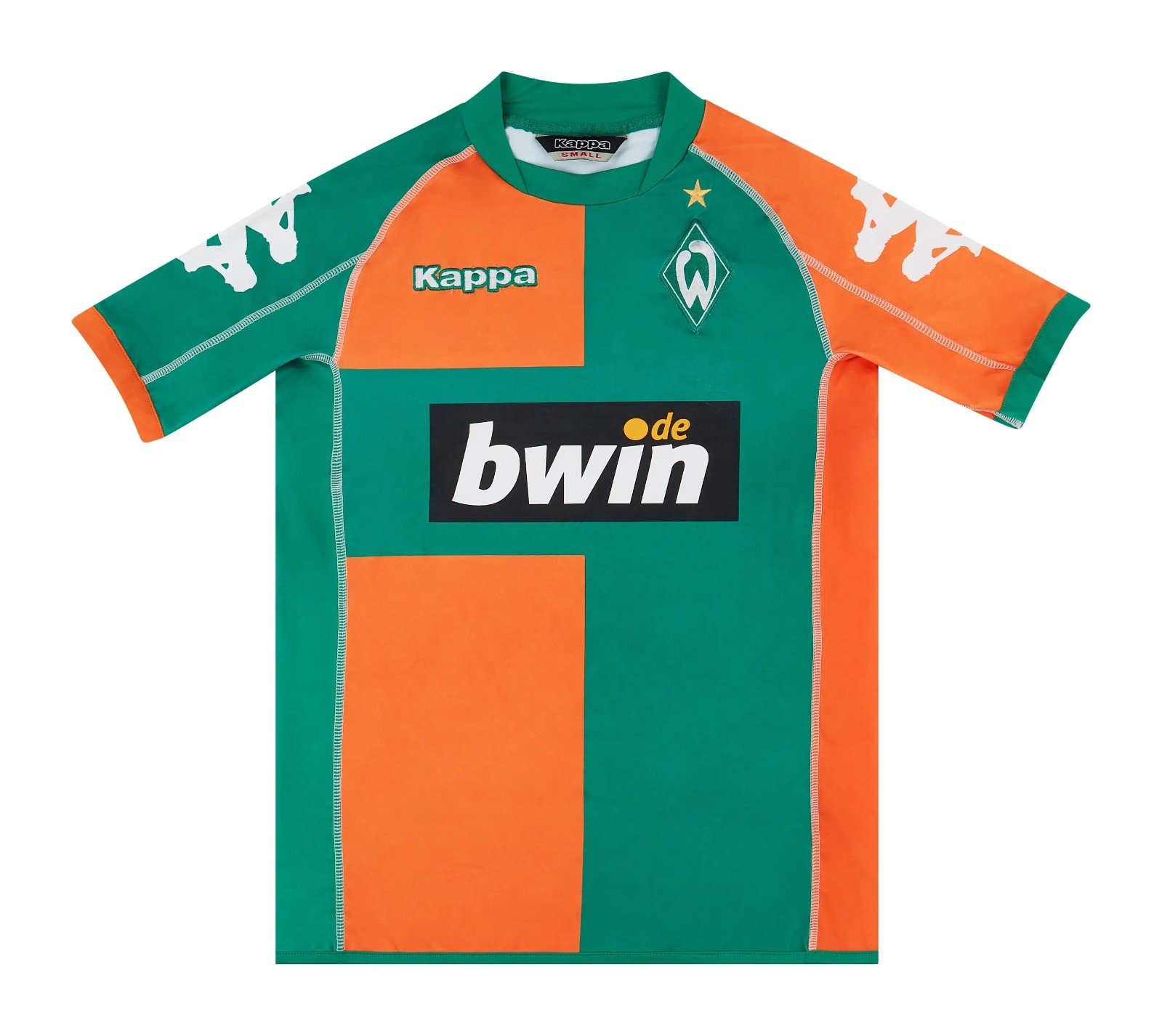
2006/07
FinishedHome
Away
place
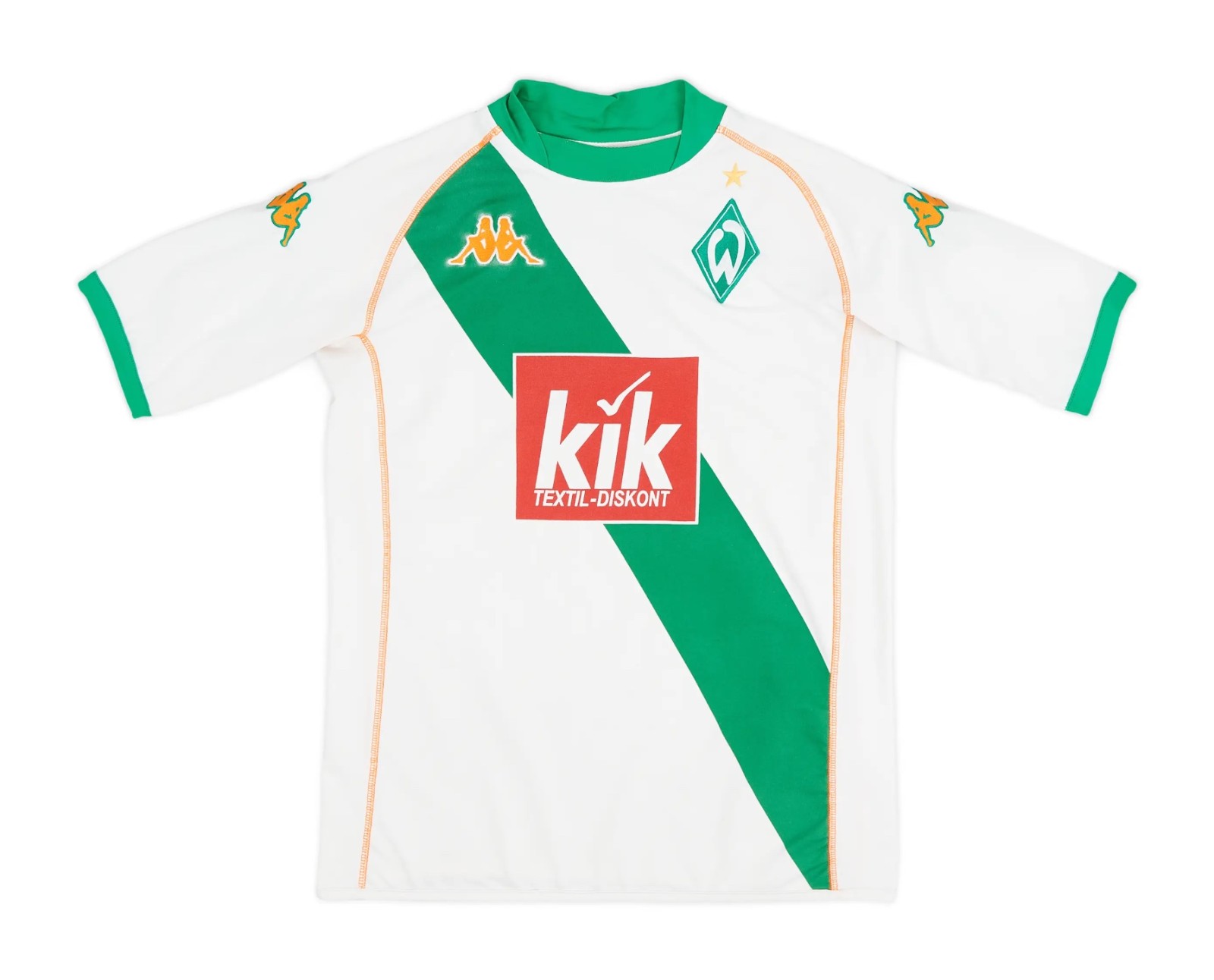
2005/06
FinishedHome
Away
place
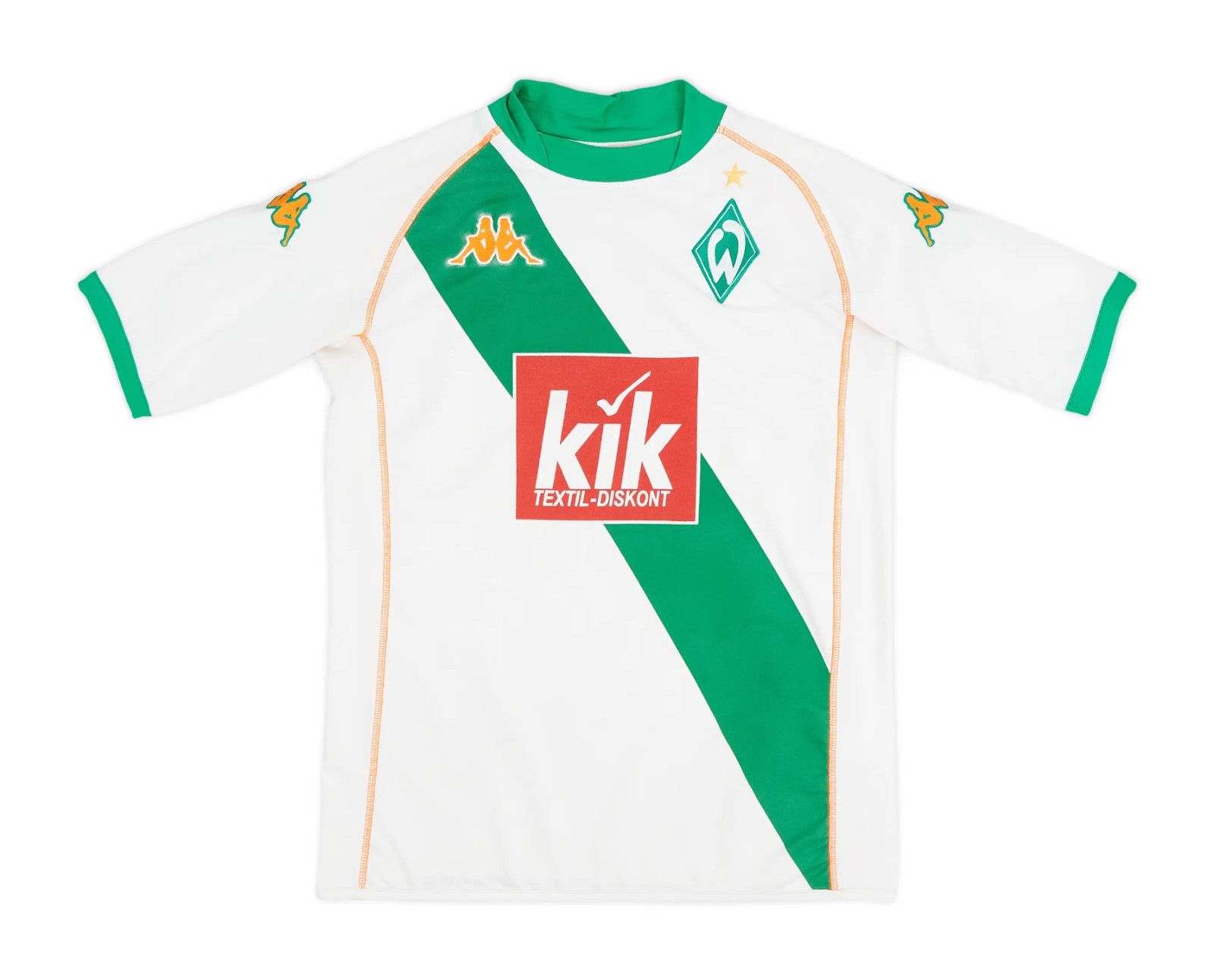
2004/05
FinishedHome
Away
place
2003/04
FinishedHome
Away
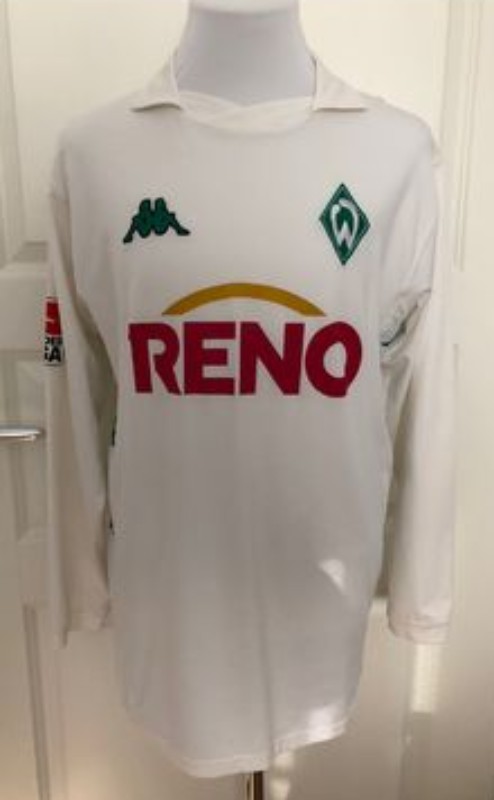
Champions
2002/03
FinishedHome
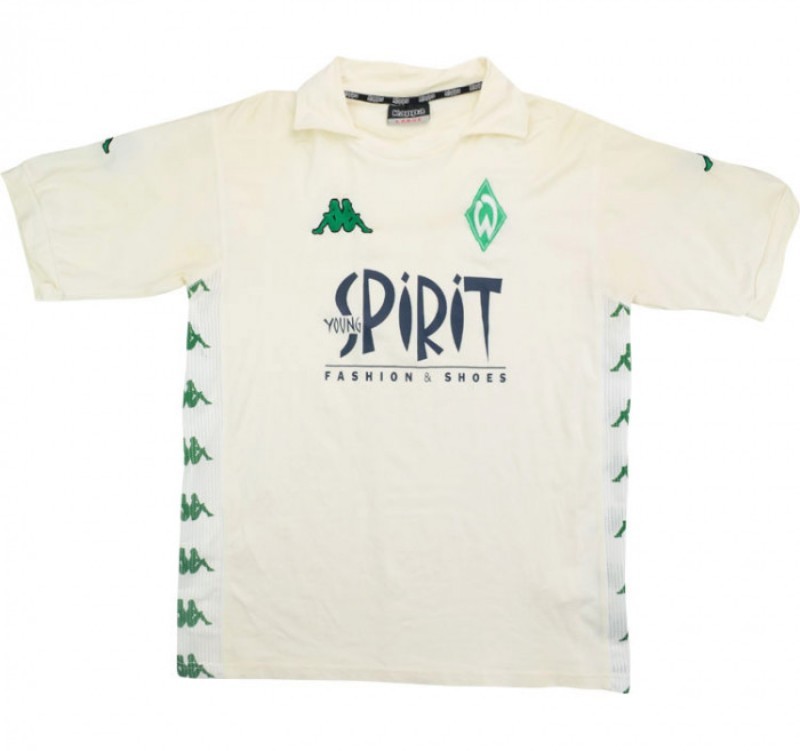
Away
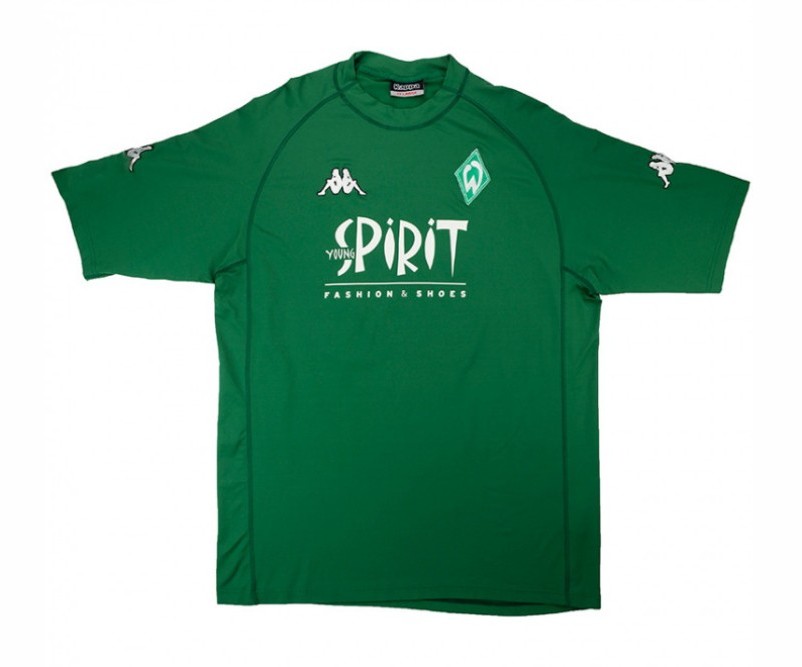
place
2001/02
FinishedHome
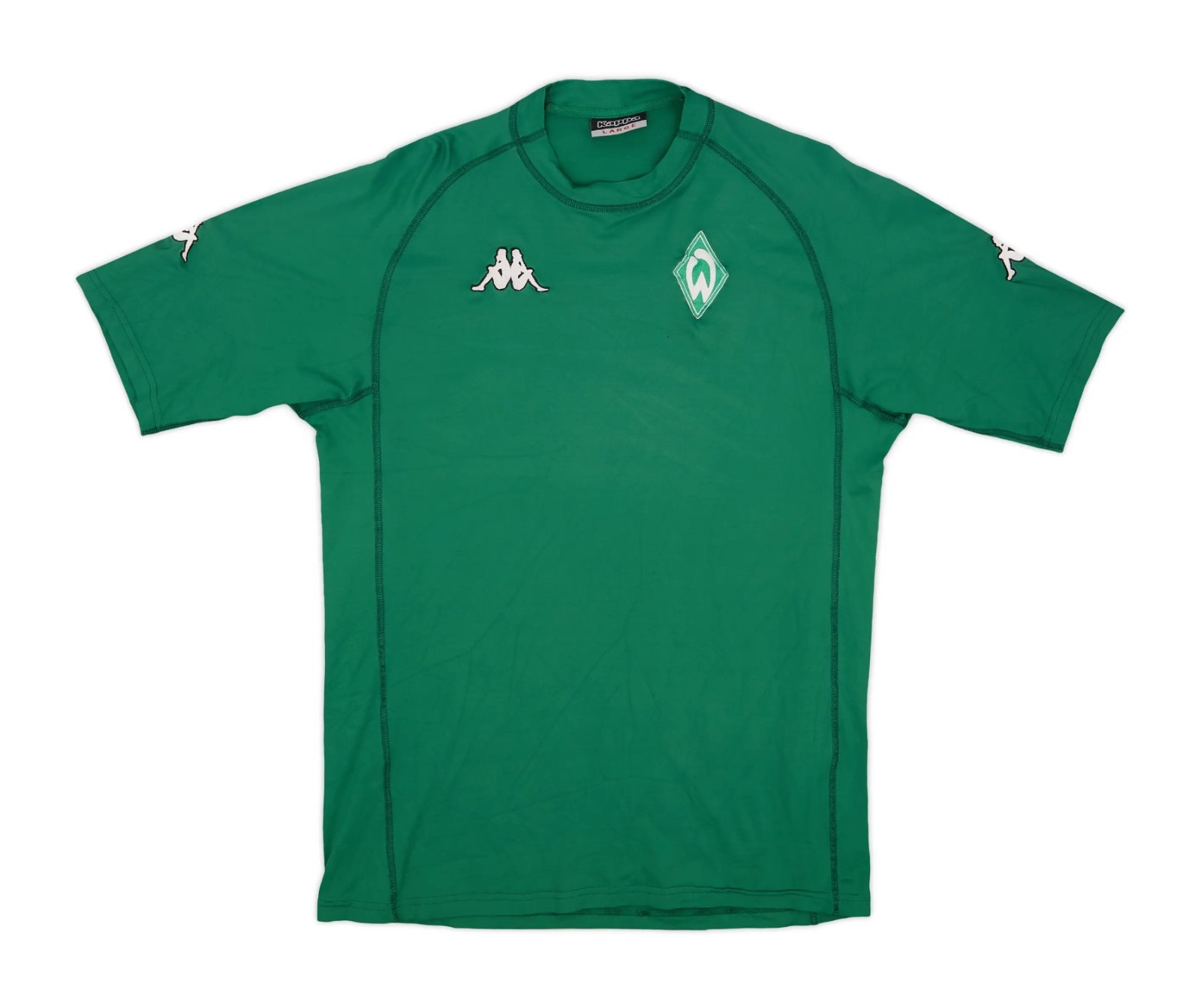
Away
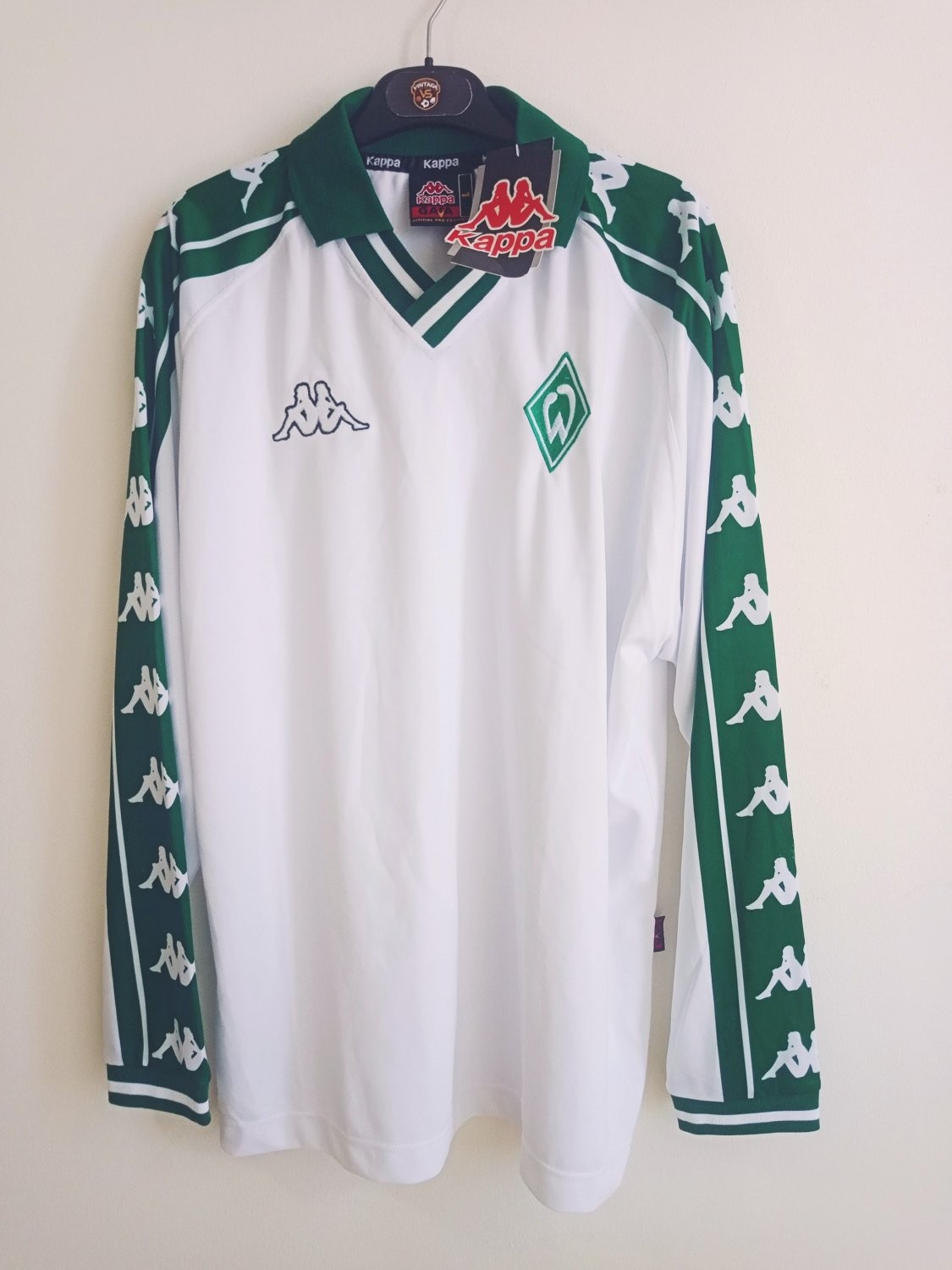
place
2000/01
FinishedHome
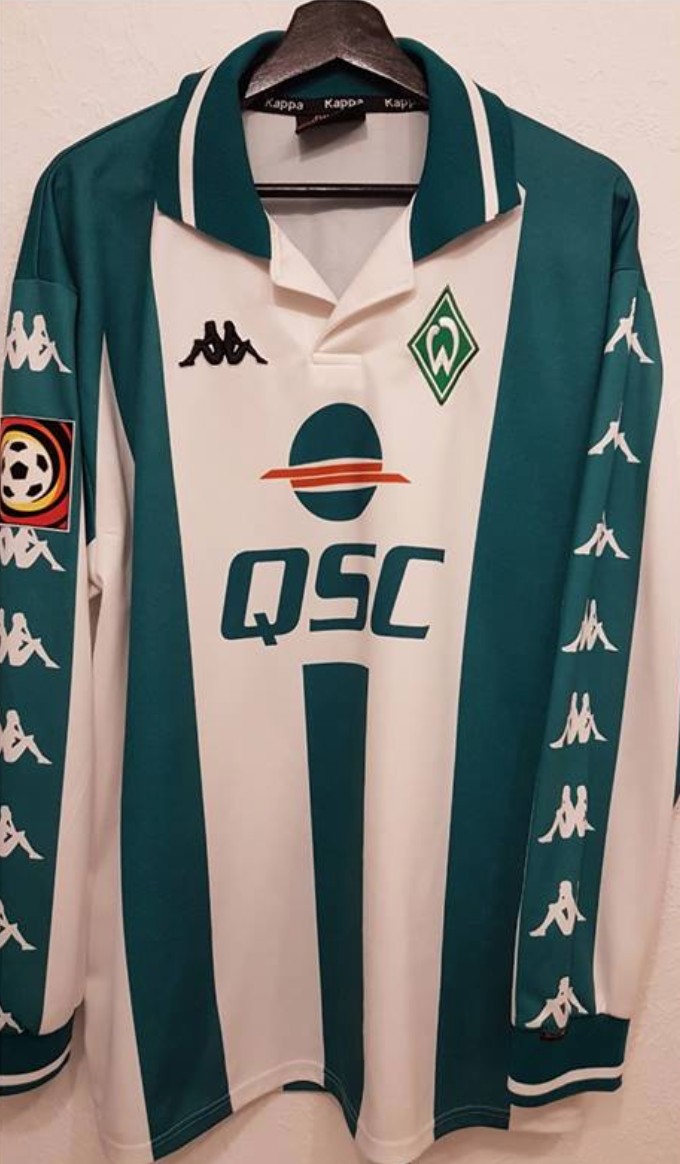
Away
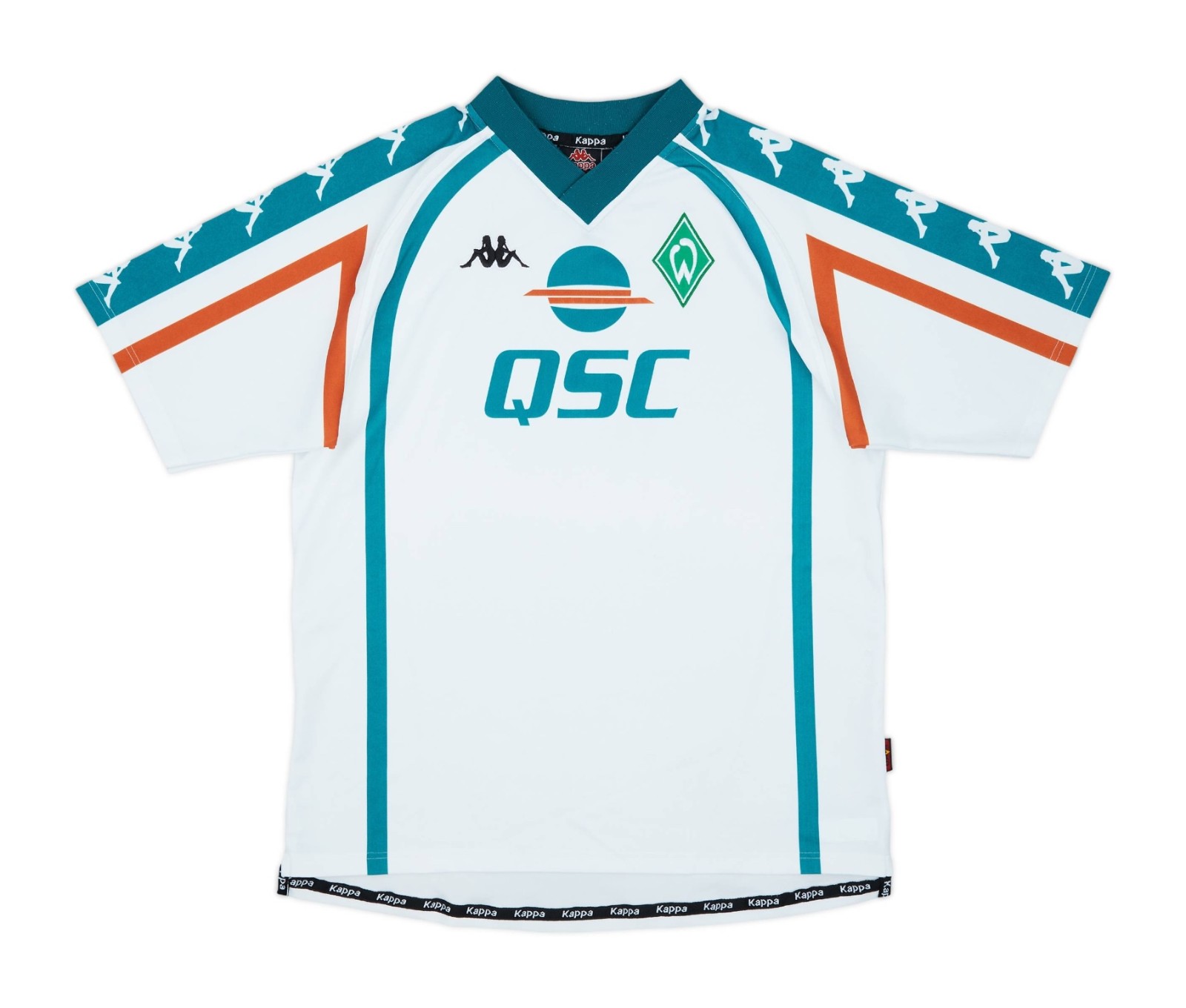
place
1999/00
FinishedHome
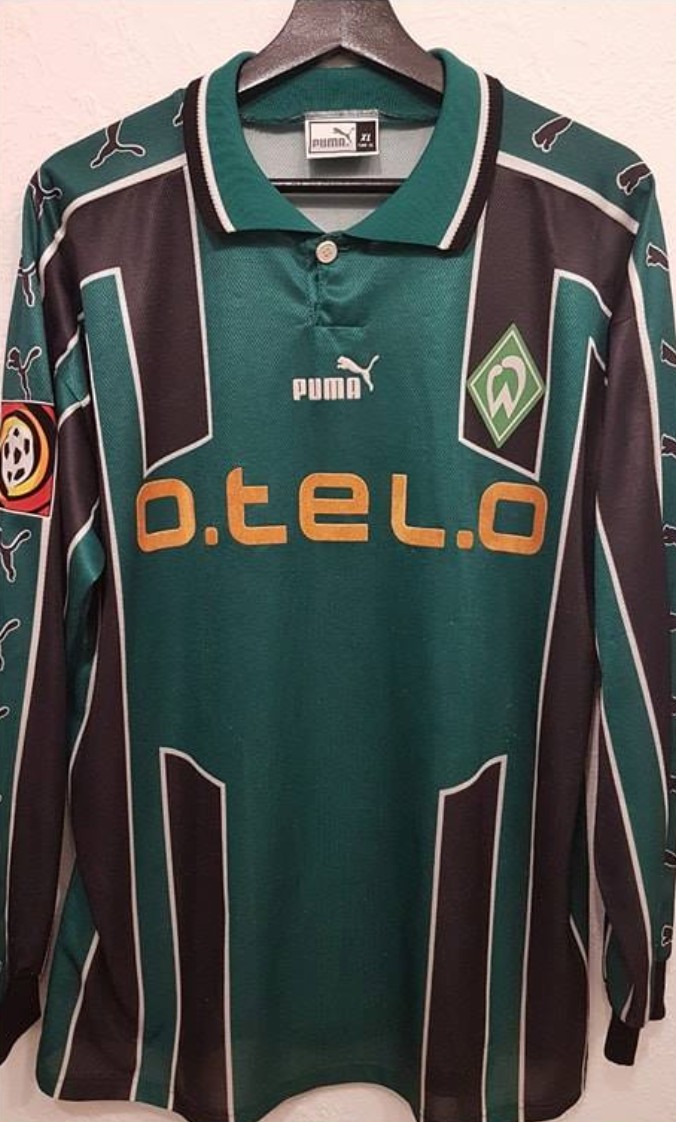
Away
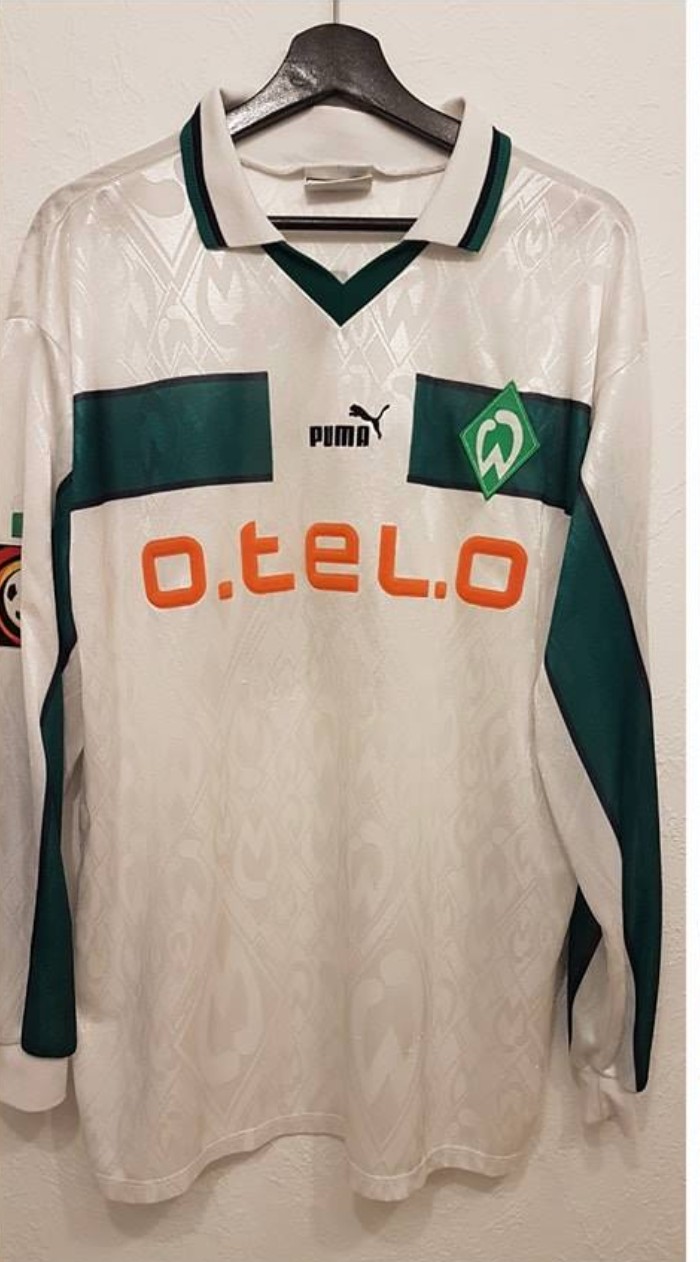
place
1998/99
FinishedHome
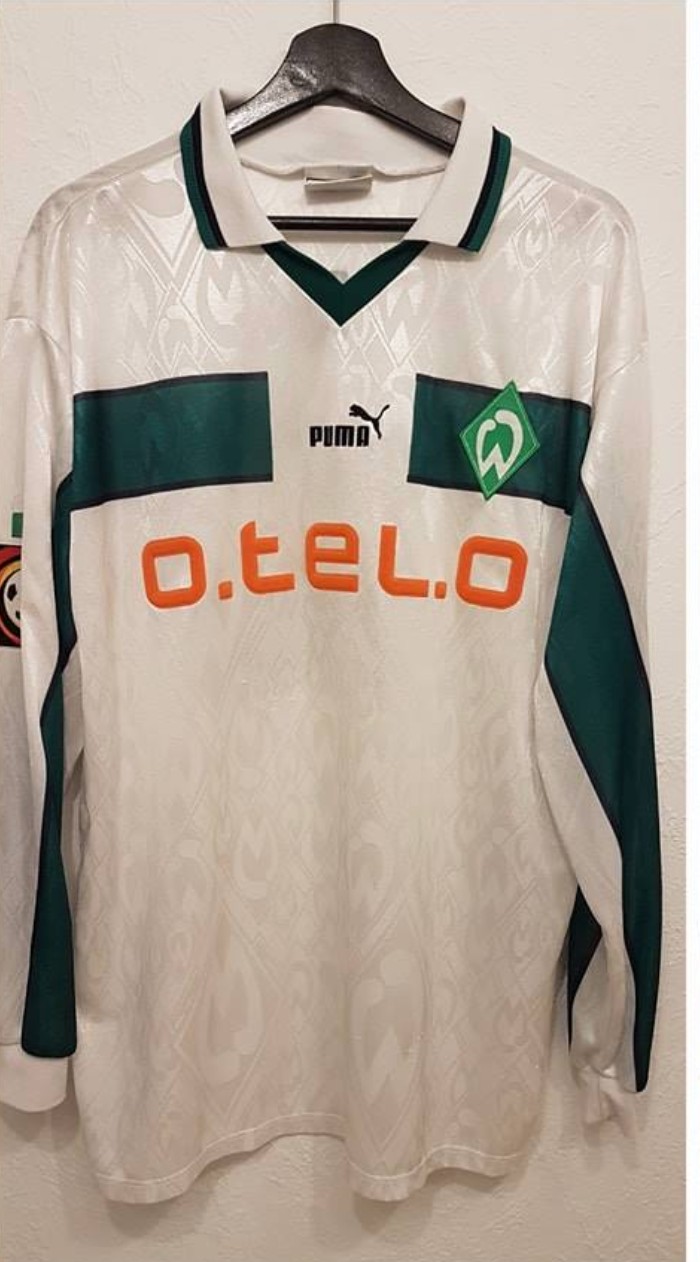
Away
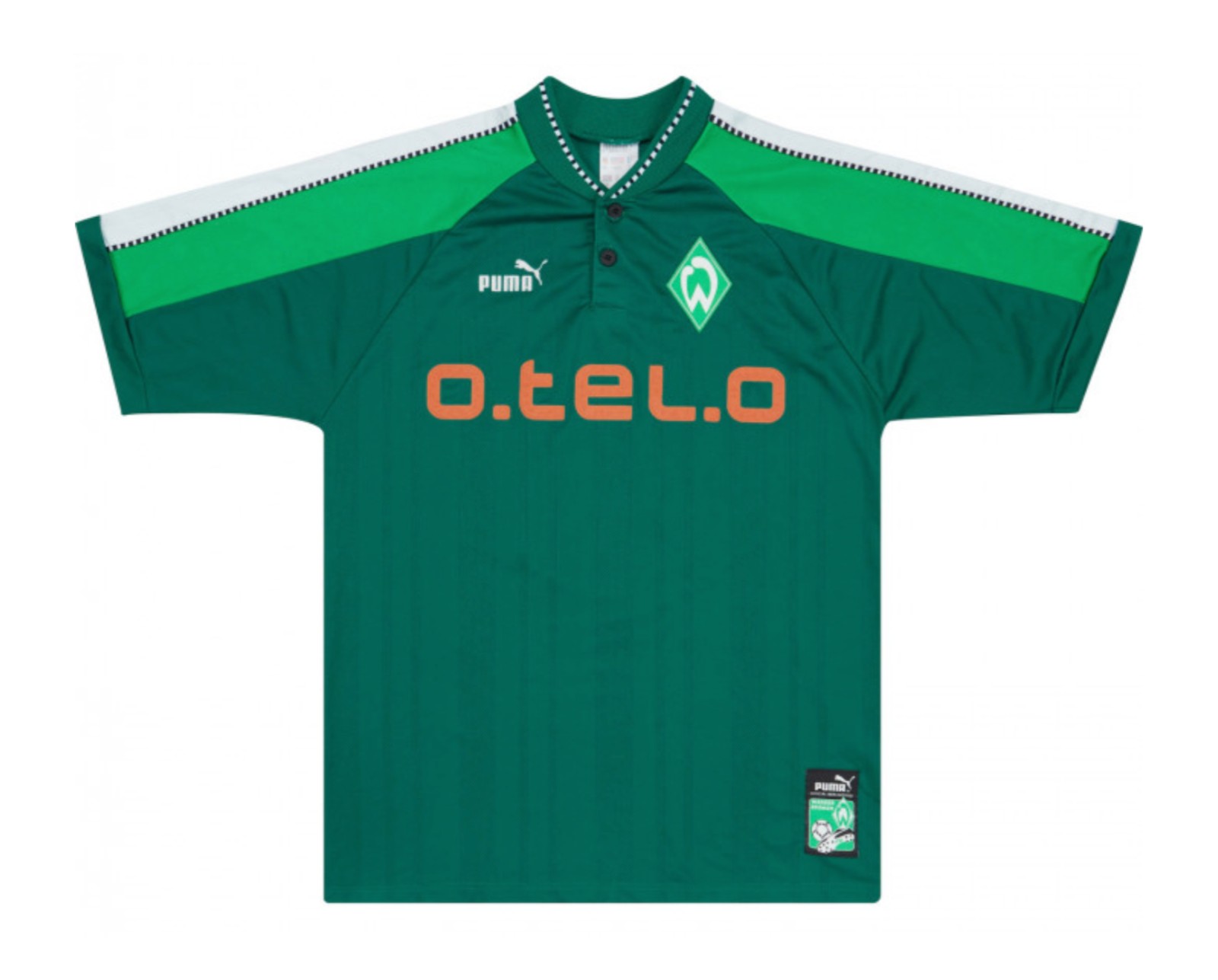
place
1997/98
FinishedHome
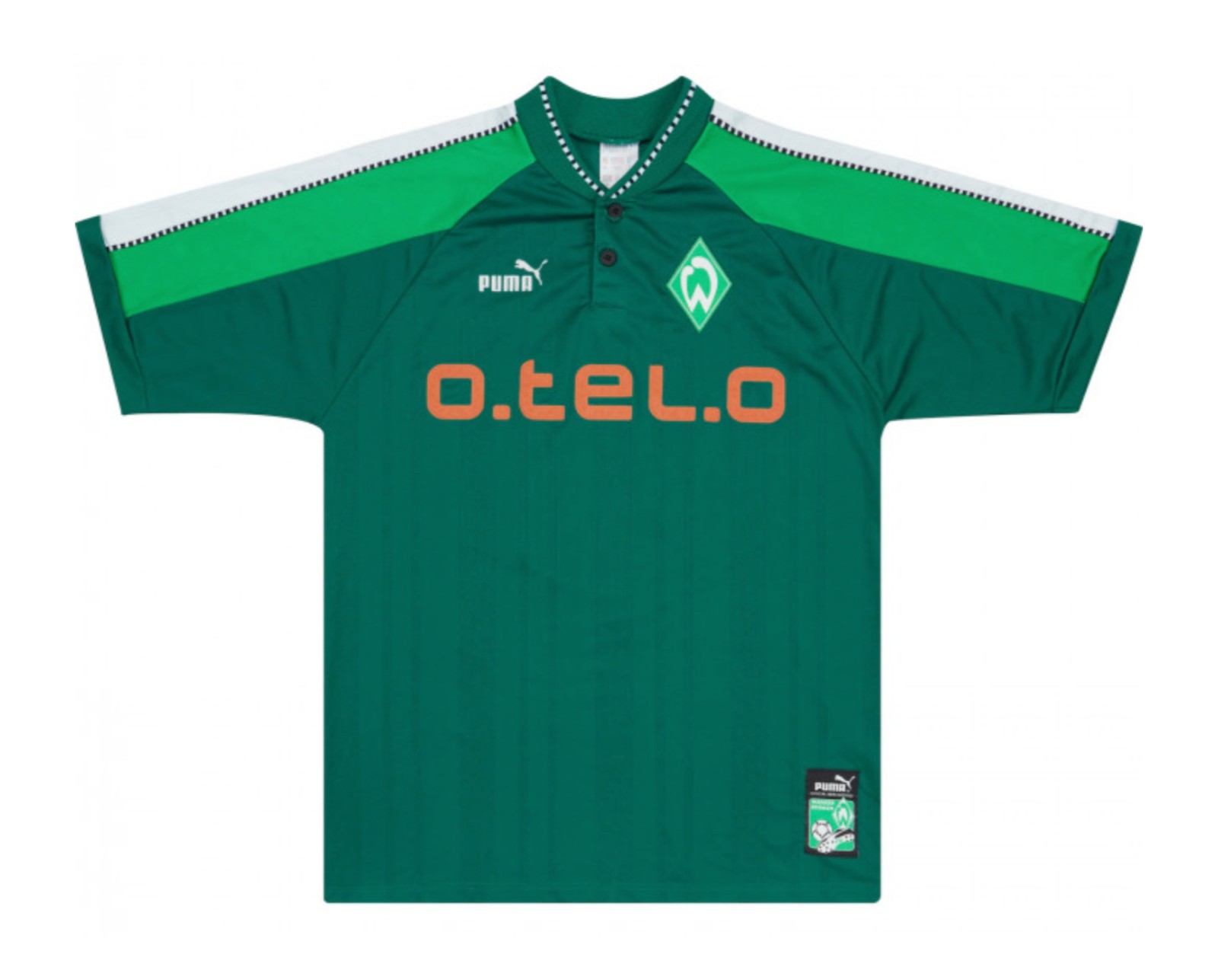
Away
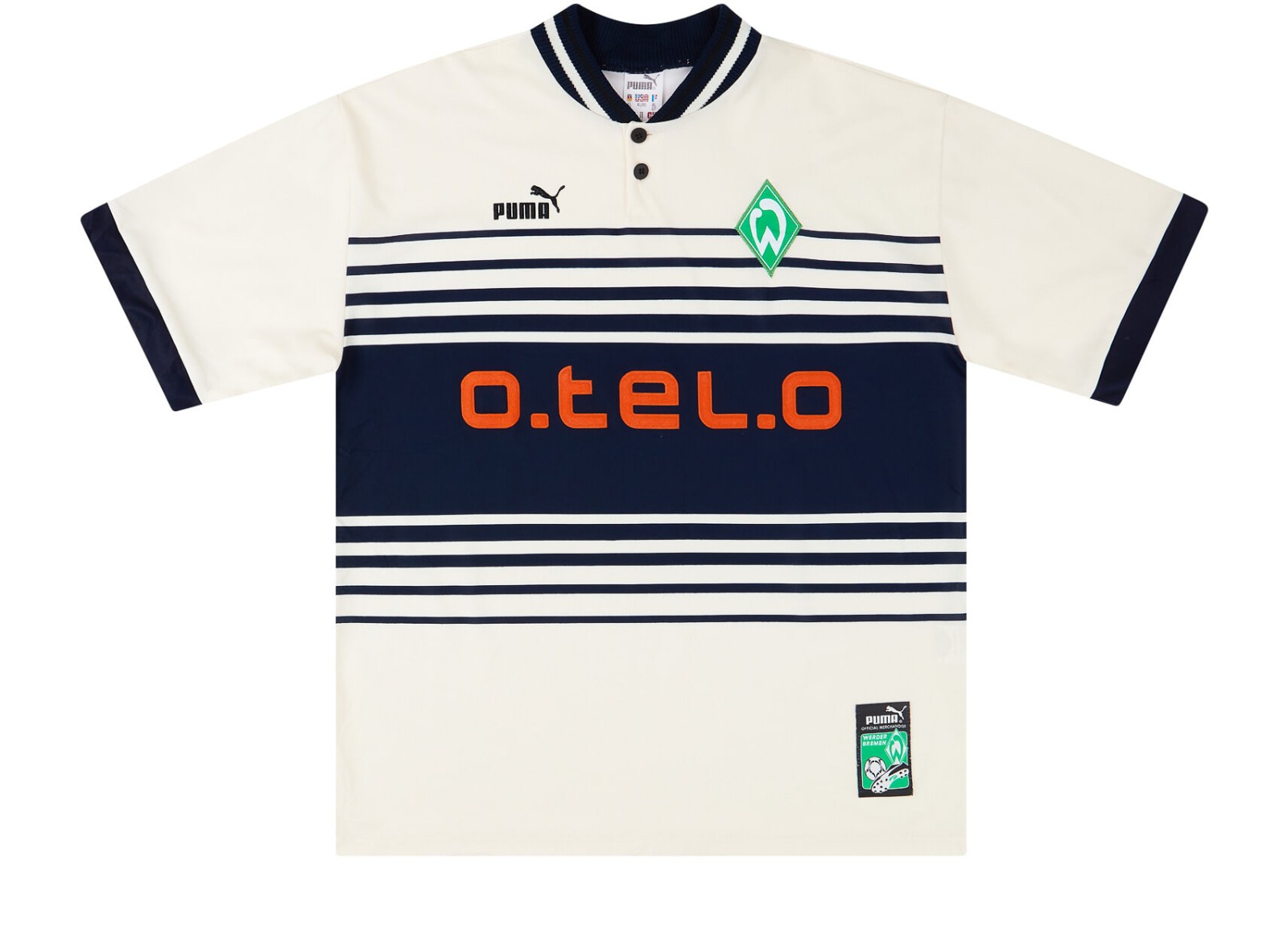
place
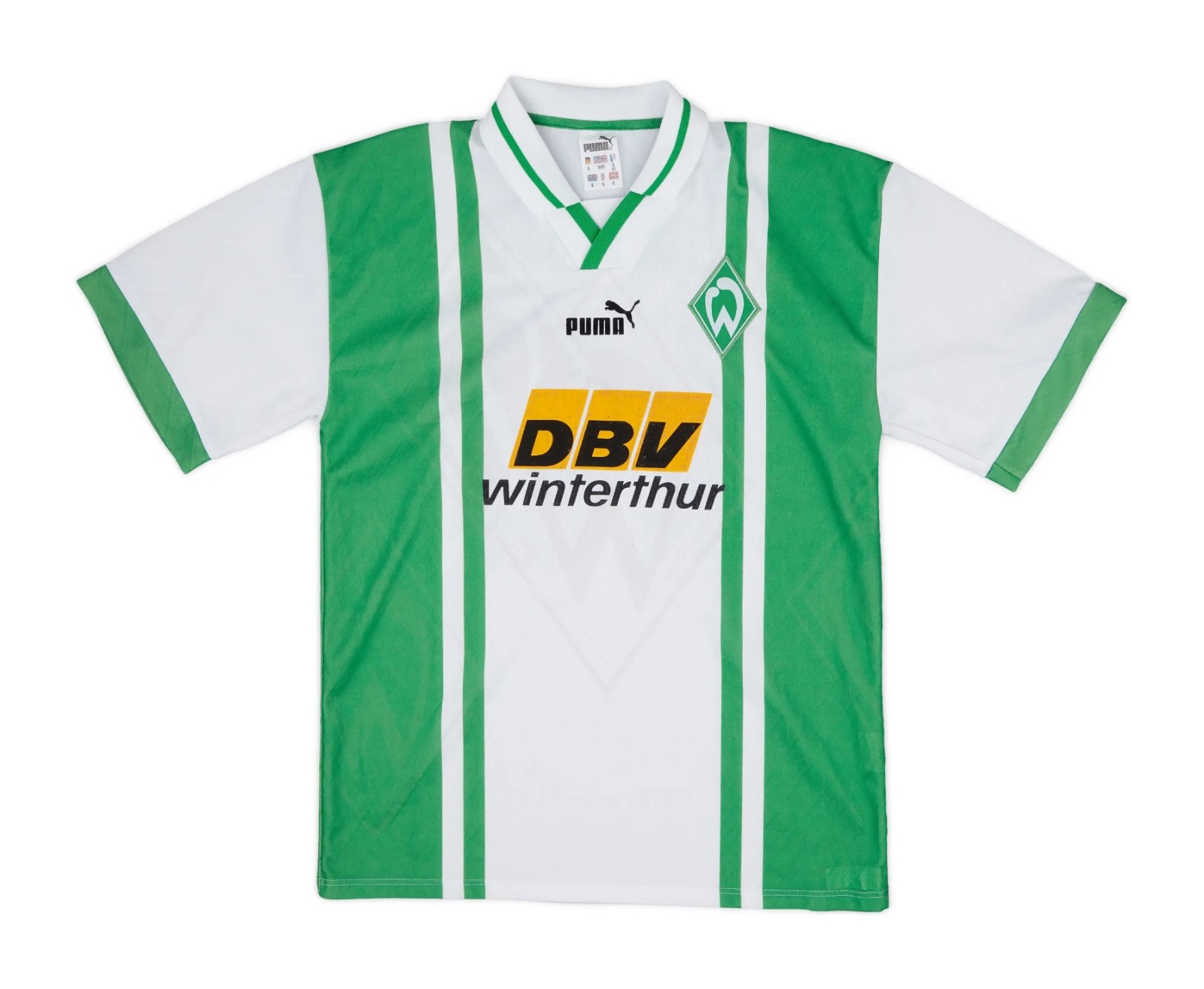
1996/97
FinishedHome
Away
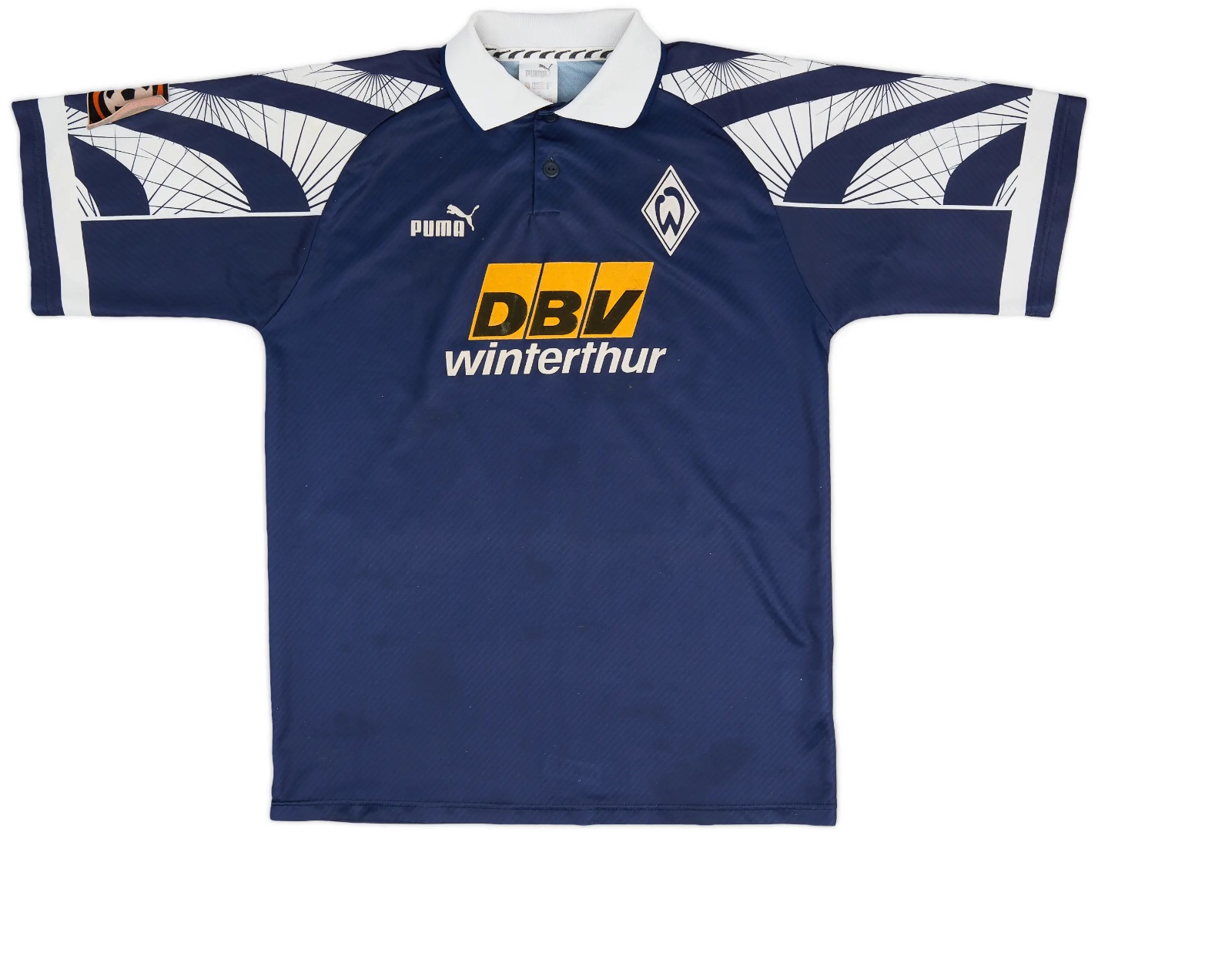
place
1995/96
FinishedHome
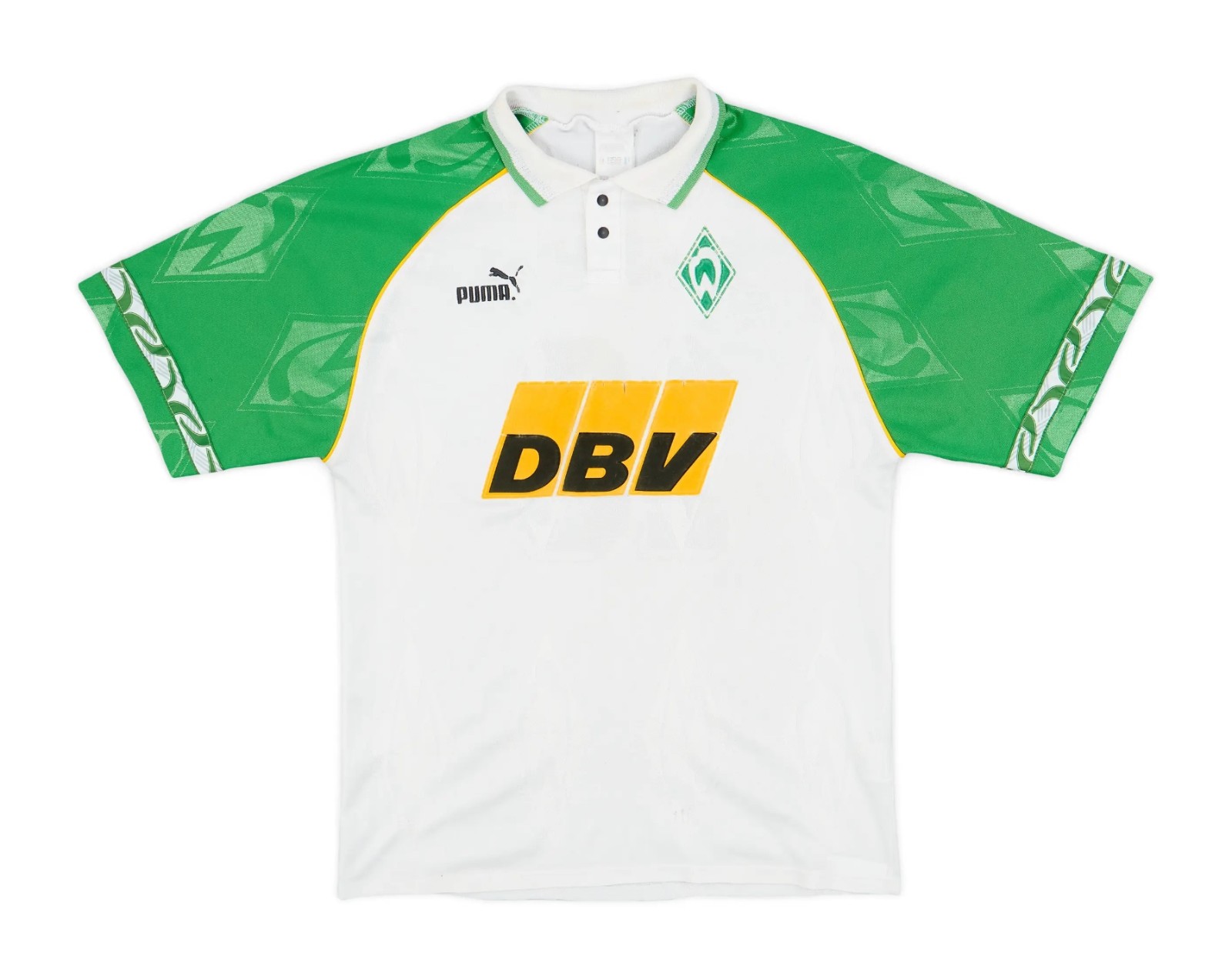
Away
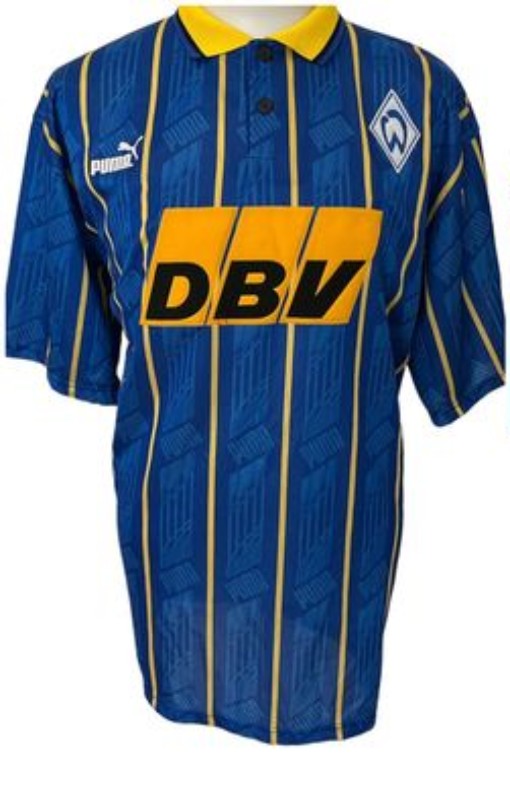
place
1994/95
FinishedHome
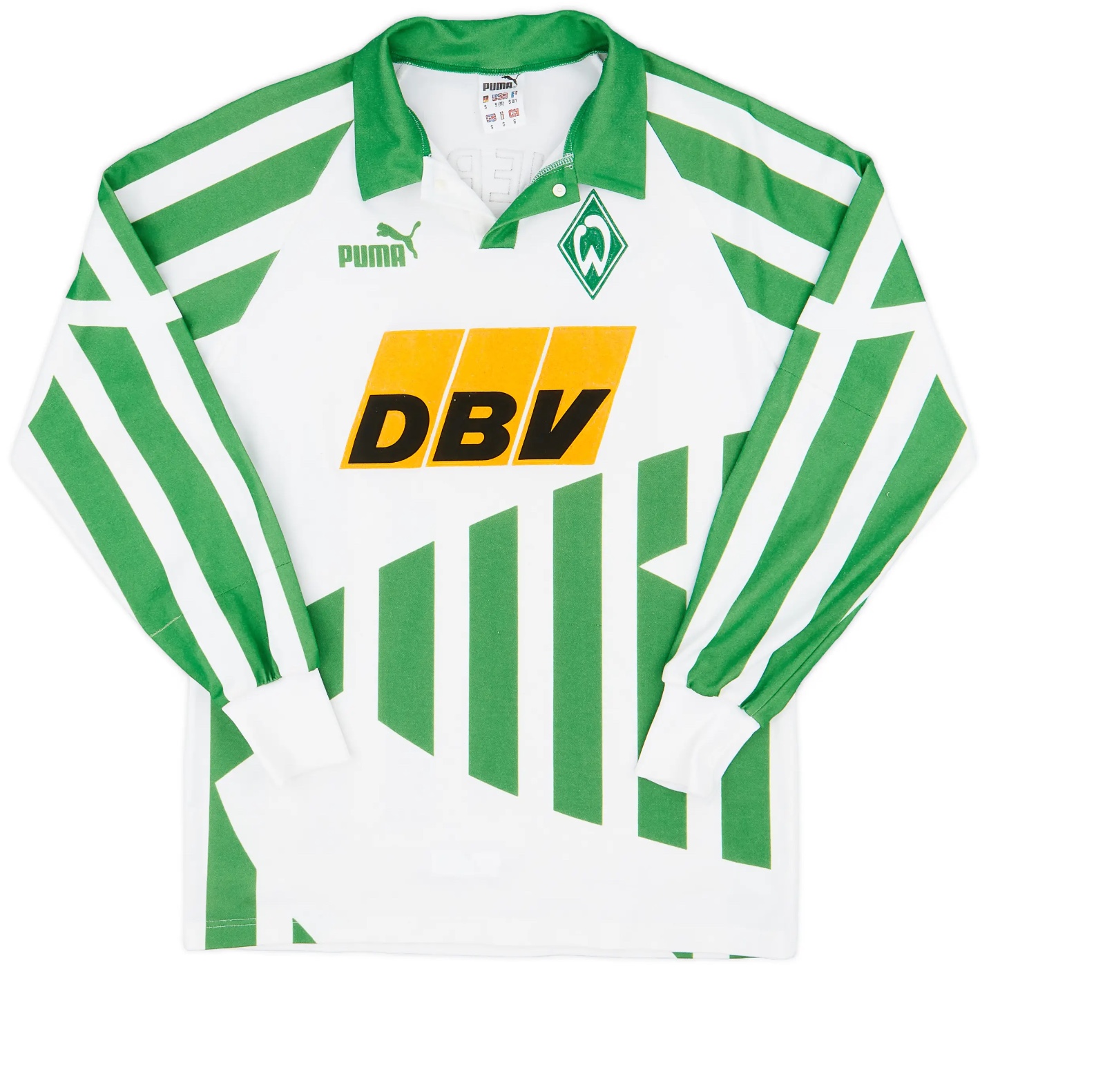
Away
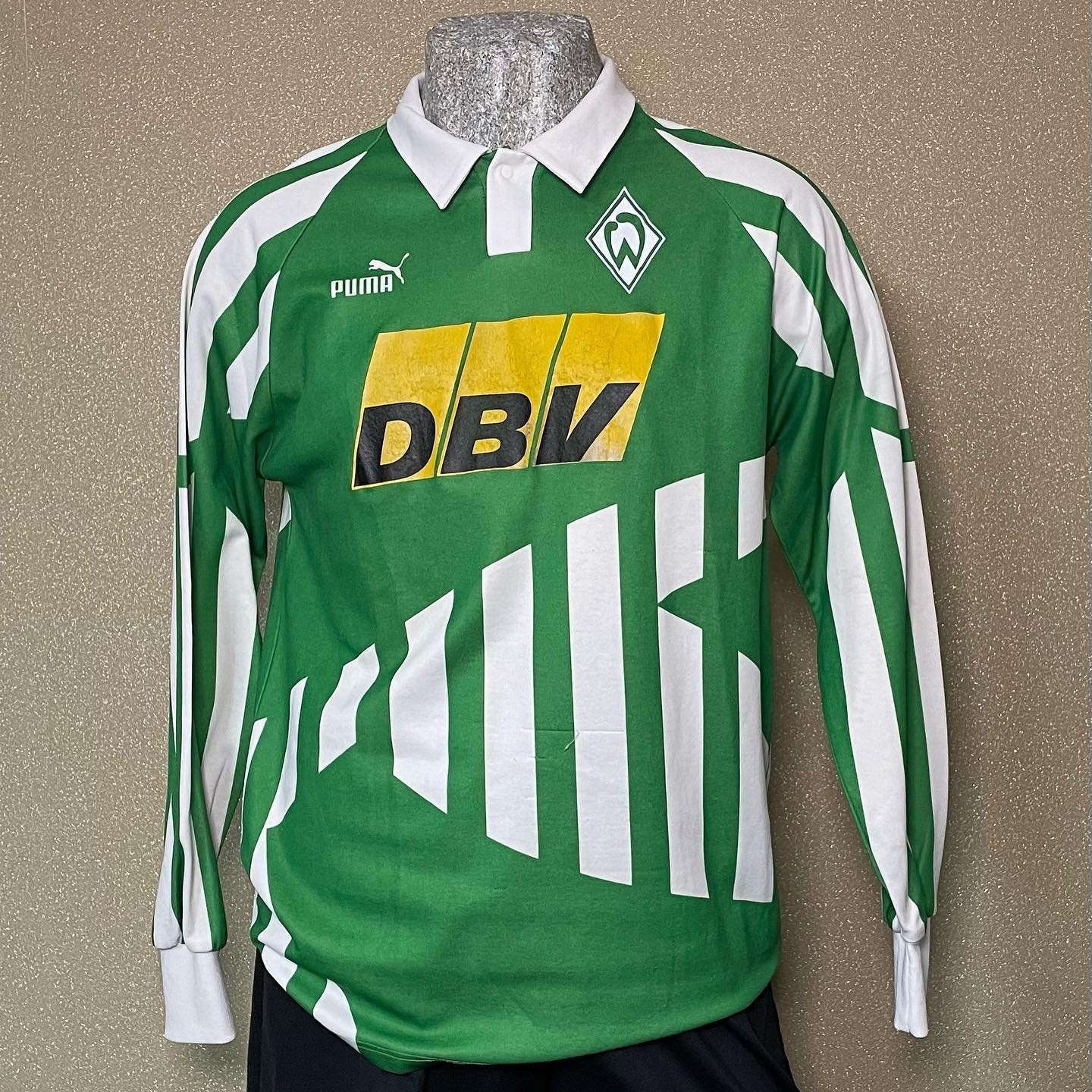
place
1993/94
FinishedHome
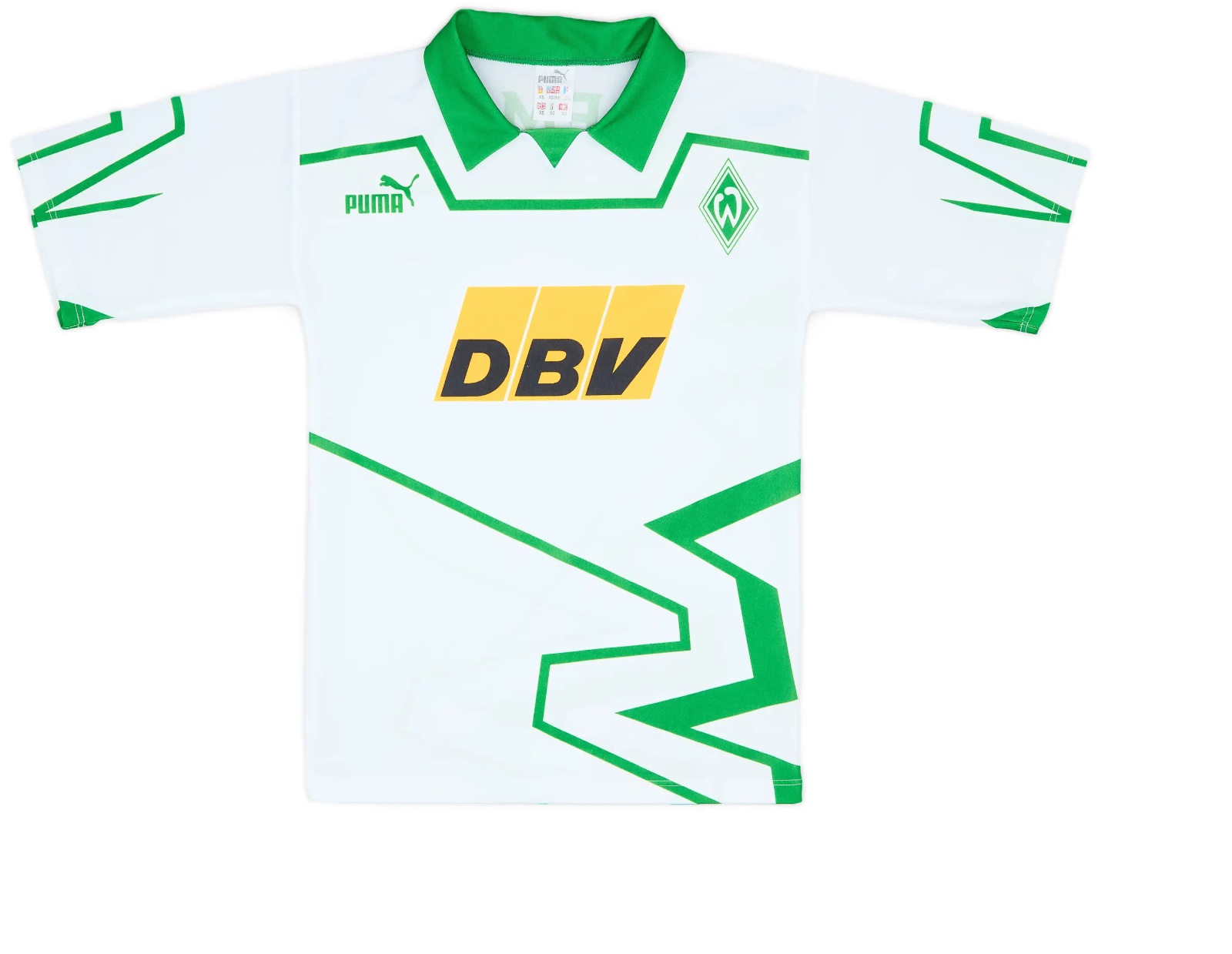
Away
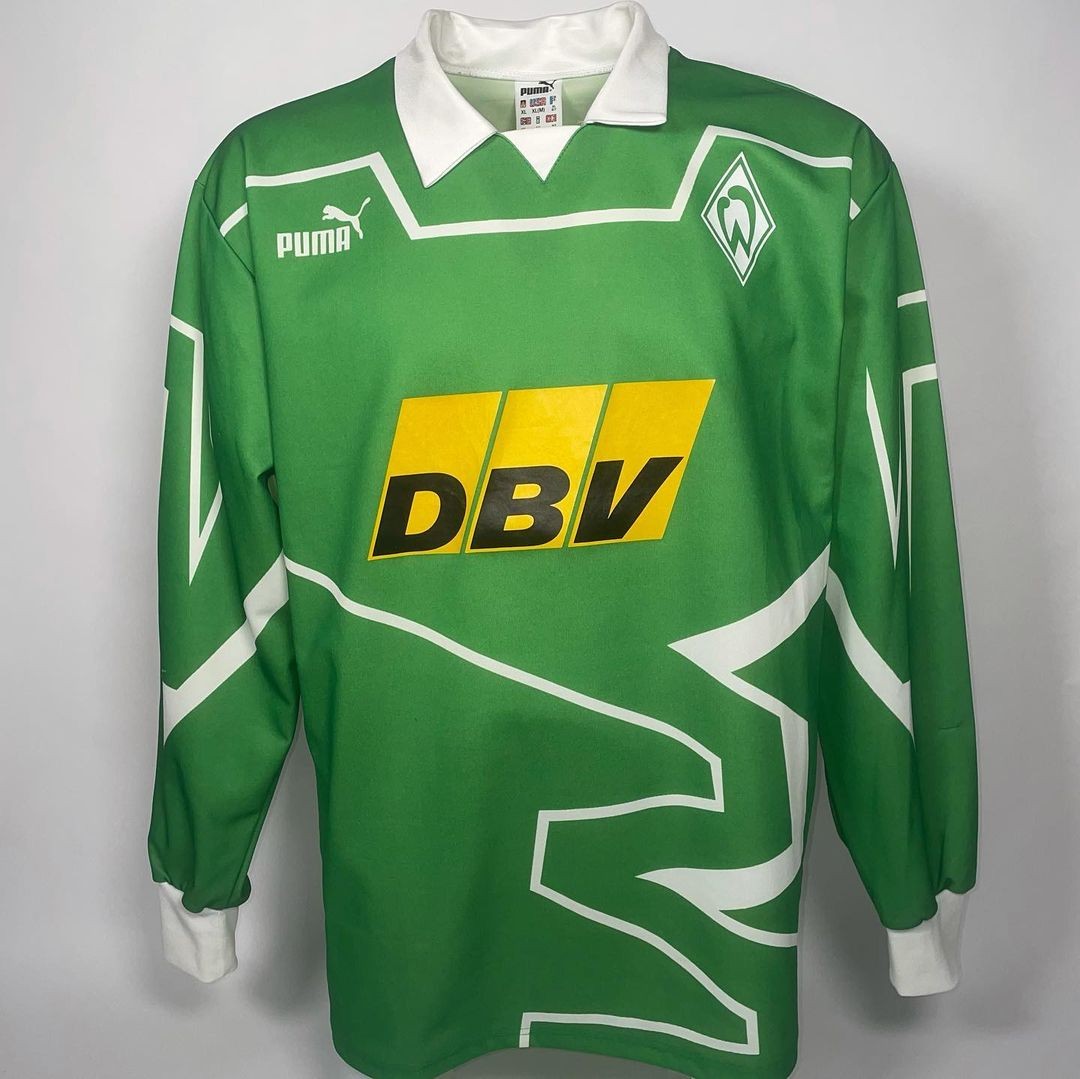
place
1992/93
FinishedHome
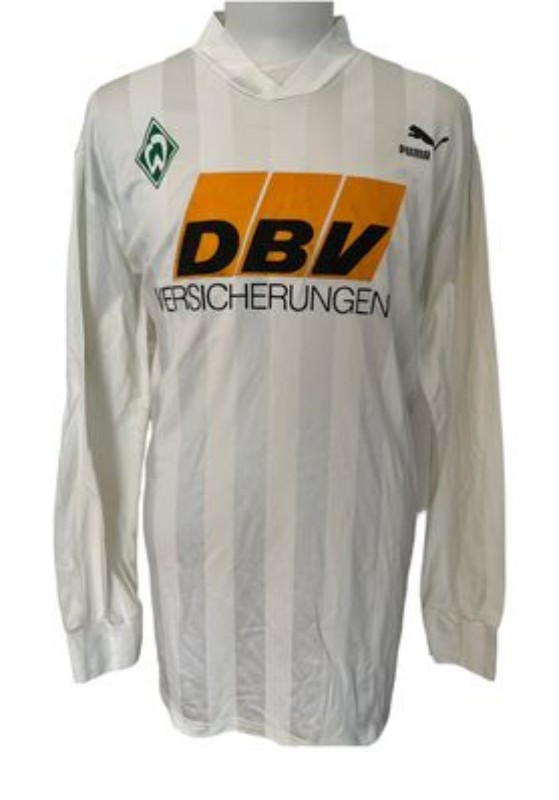
Away
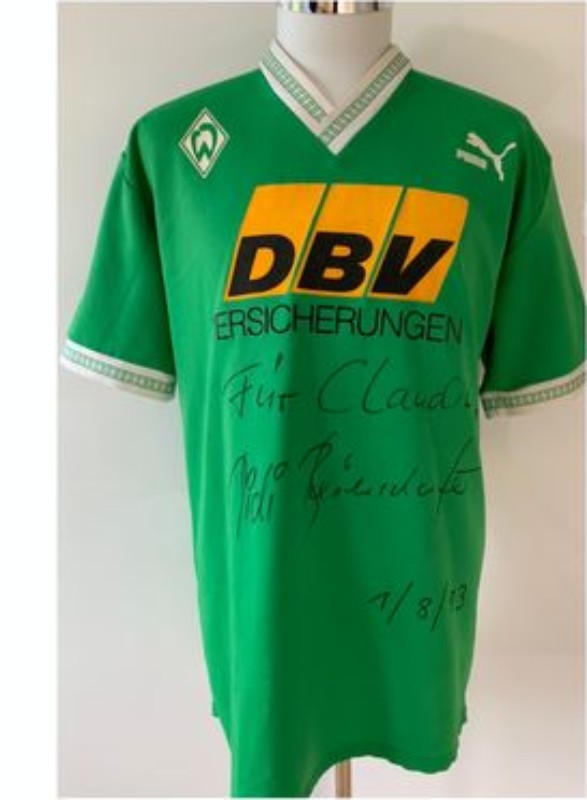
Champions
1991/92
FinishedHome
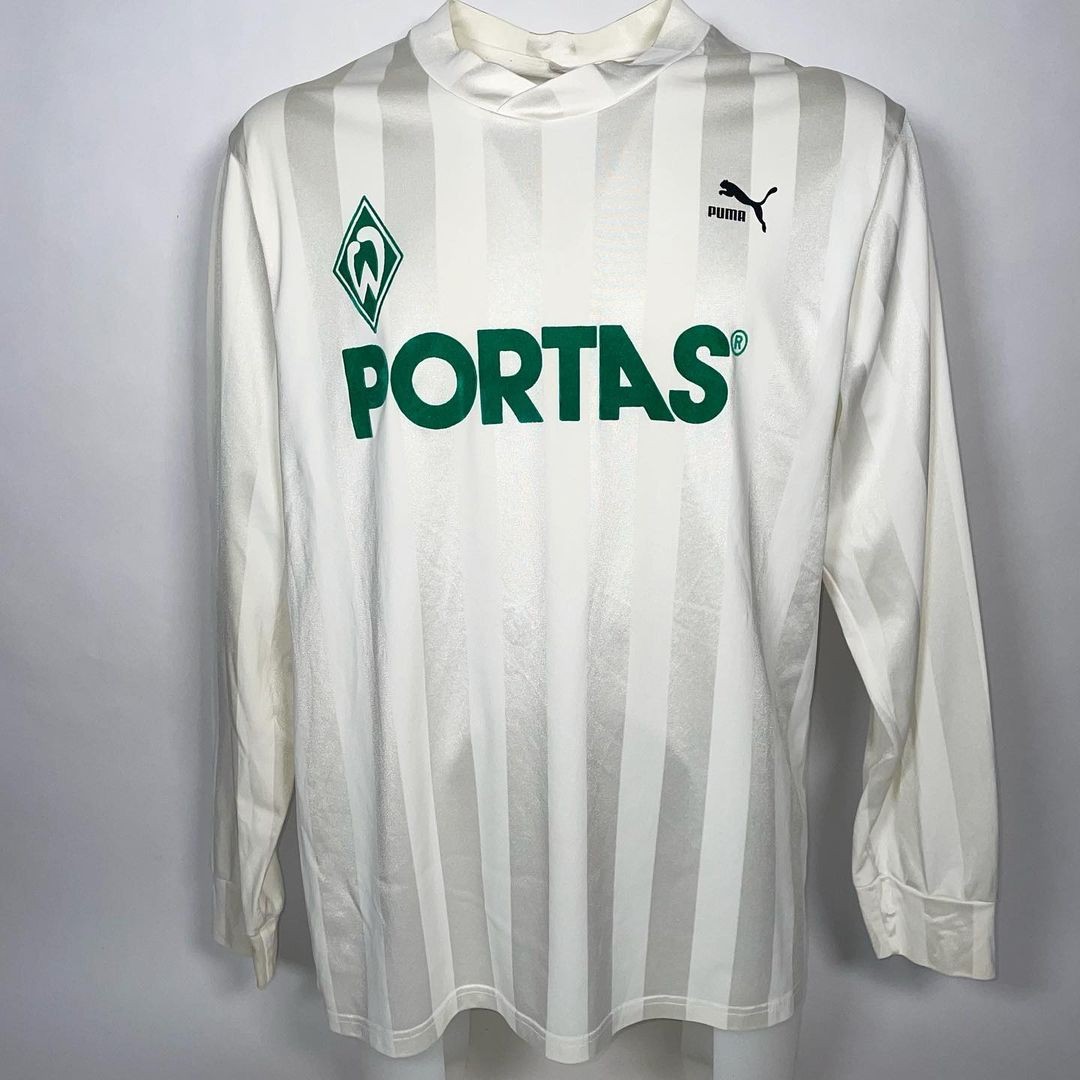
Away
place
1990/91
FinishedHome
Away
place
1989/90
FinishedHome
Away
place
1988/89
FinishedHome
Away
place
1987/88
FinishedHome
Away
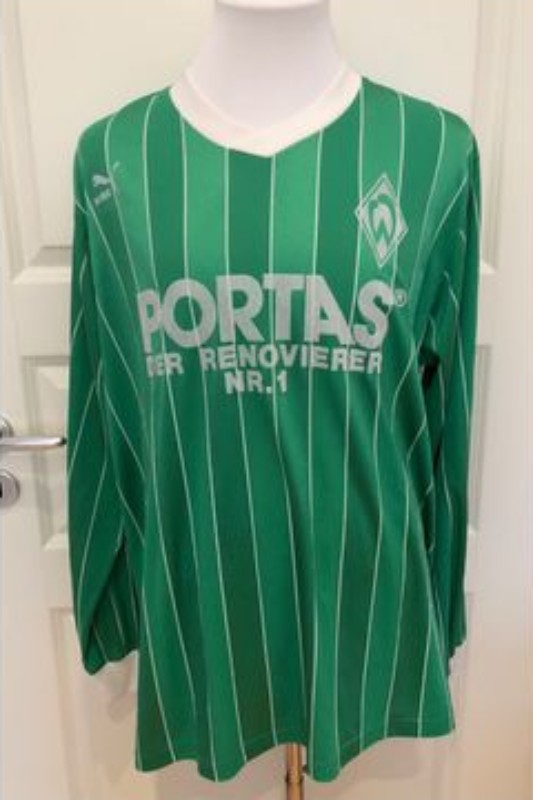
Champions
1986/87
FinishedHome
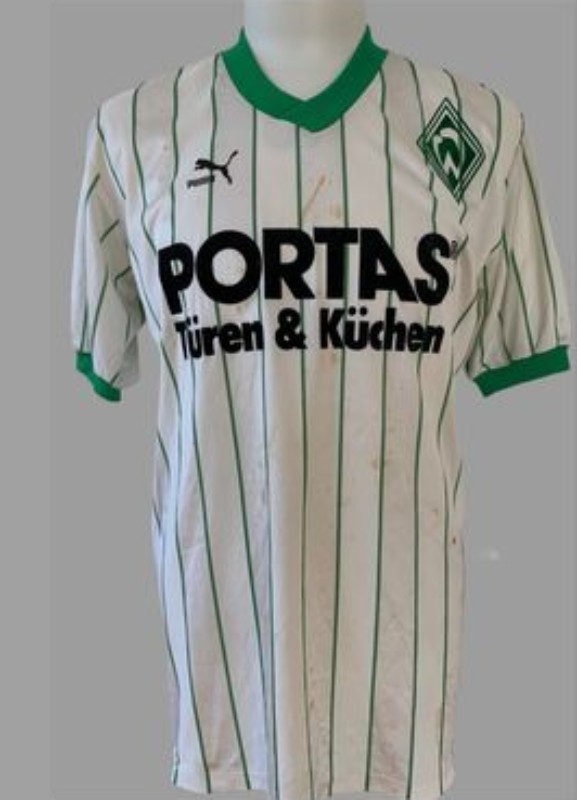
Away
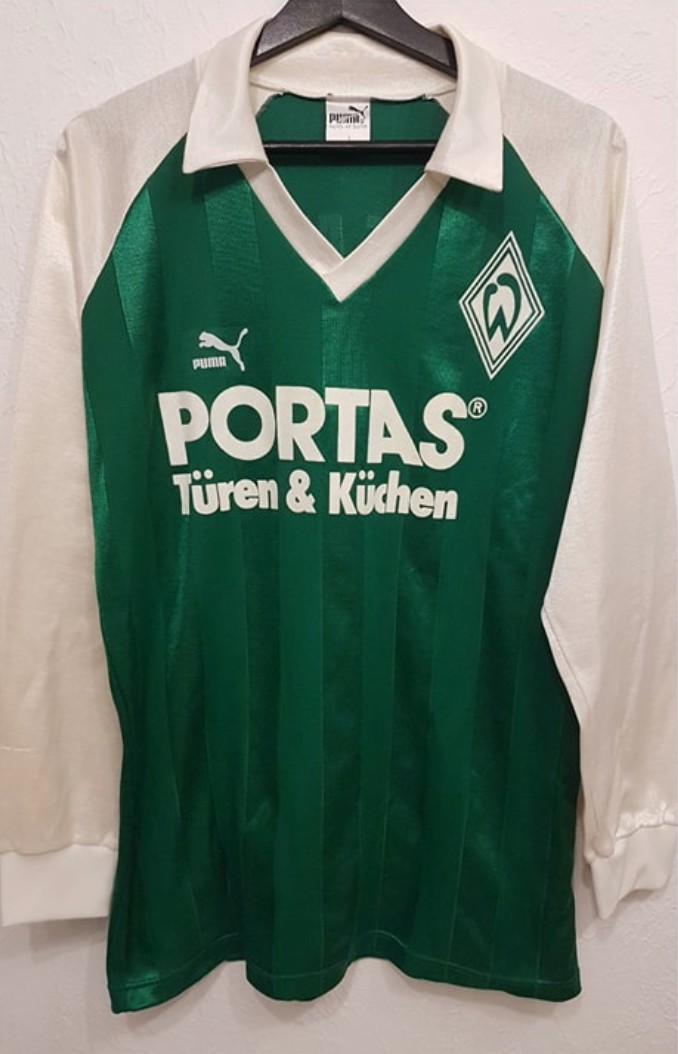
place
1985/86
FinishedHome
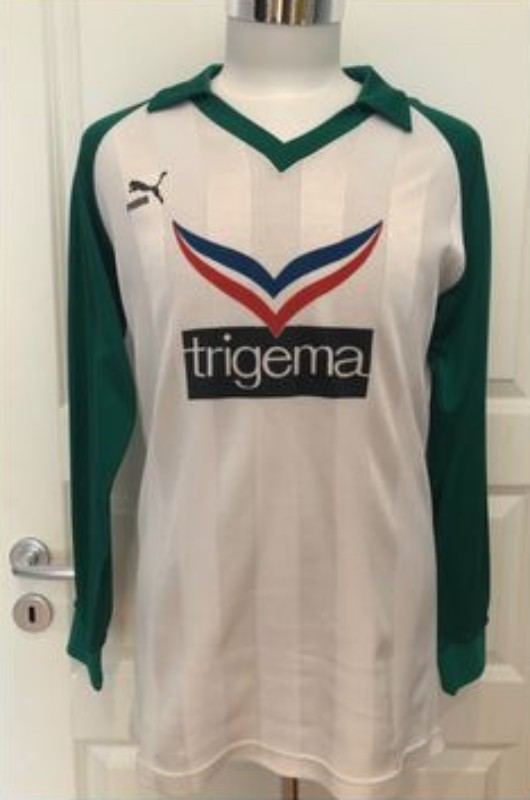
Away
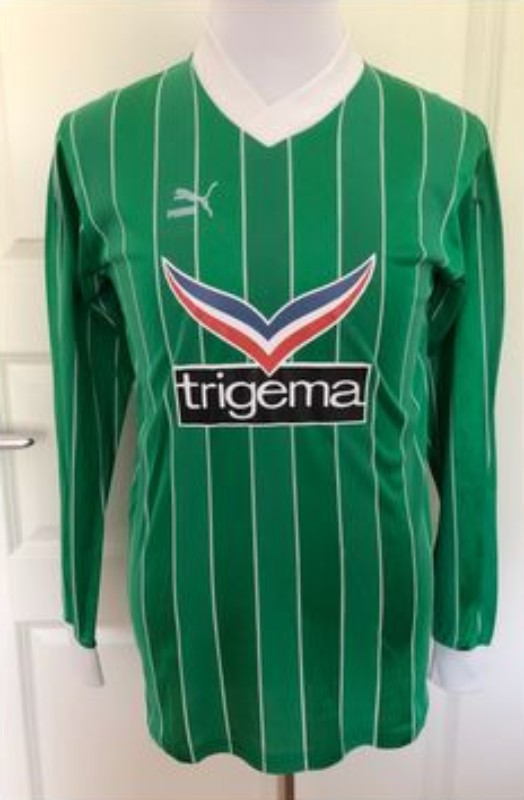
place
1984/85
FinishedHome
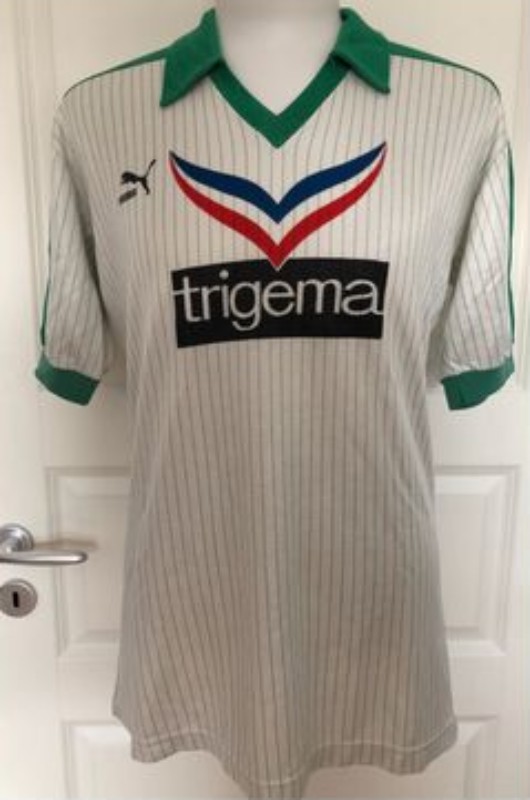
Away
place
1983/84
FinishedHome
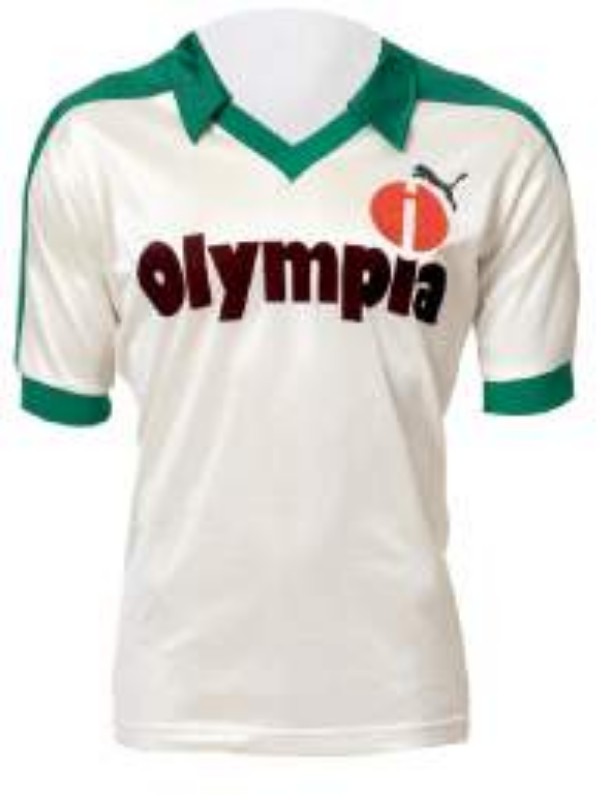
Away
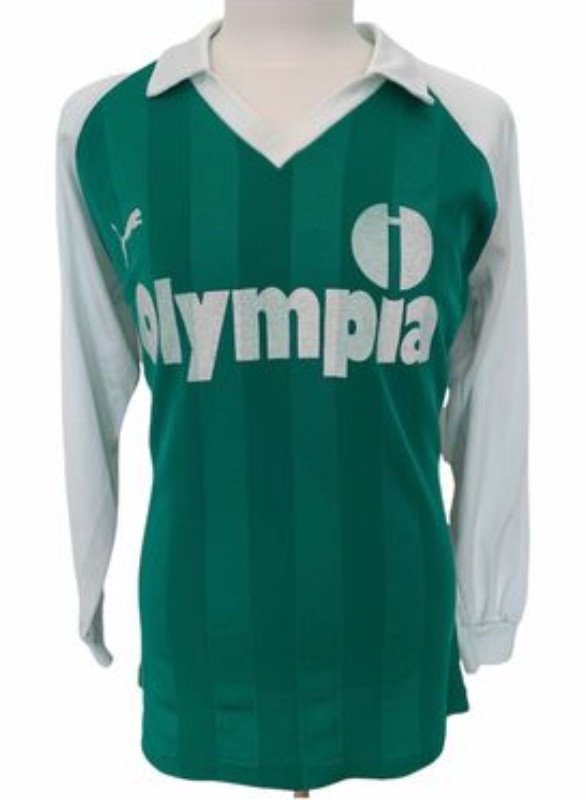
place
1982/83
FinishedHome
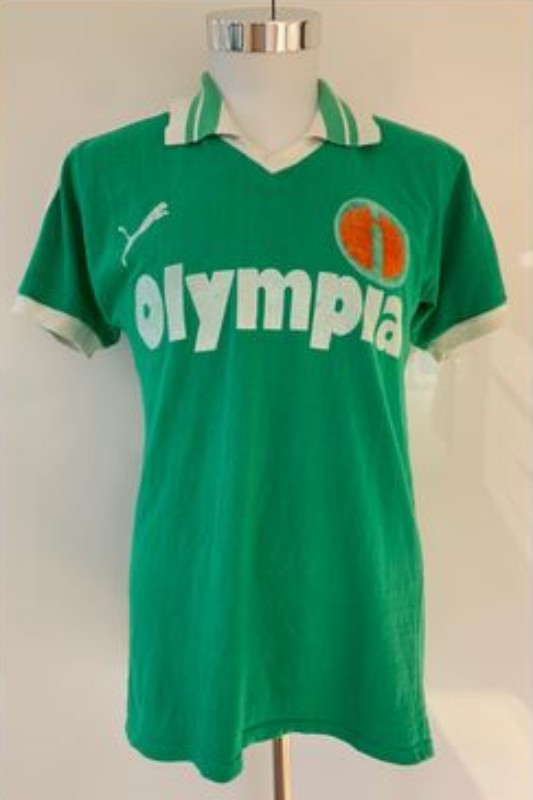
Away
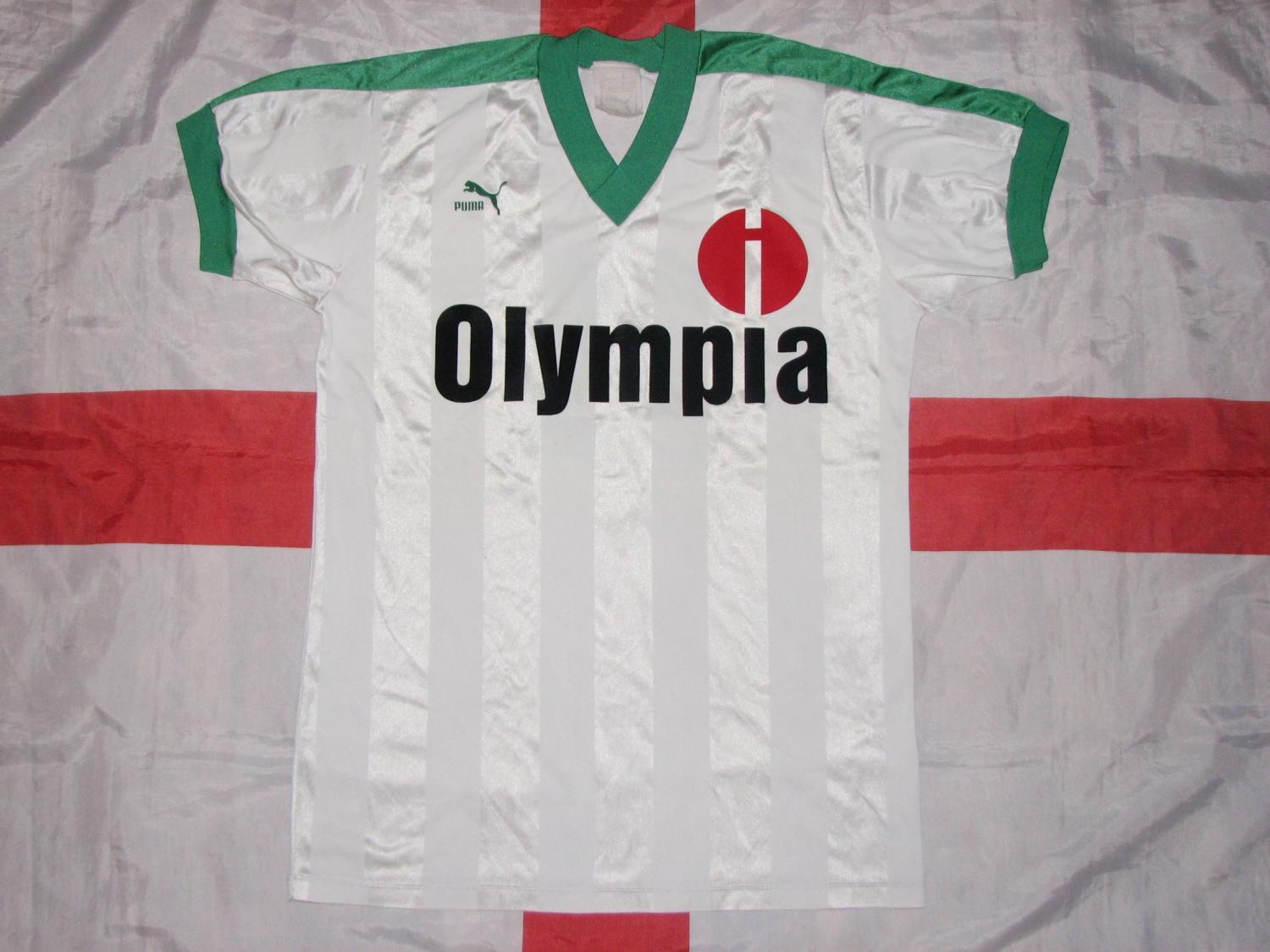
place
1981/82
FinishedHome
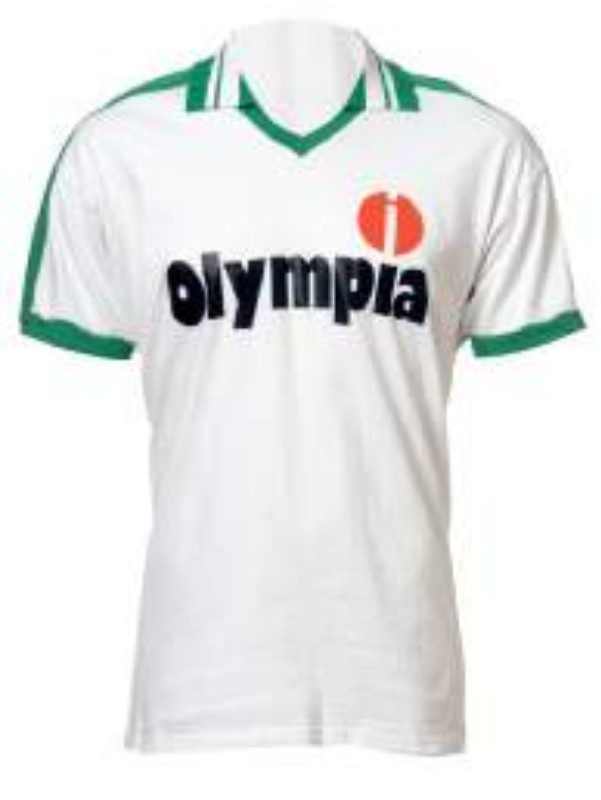
Away
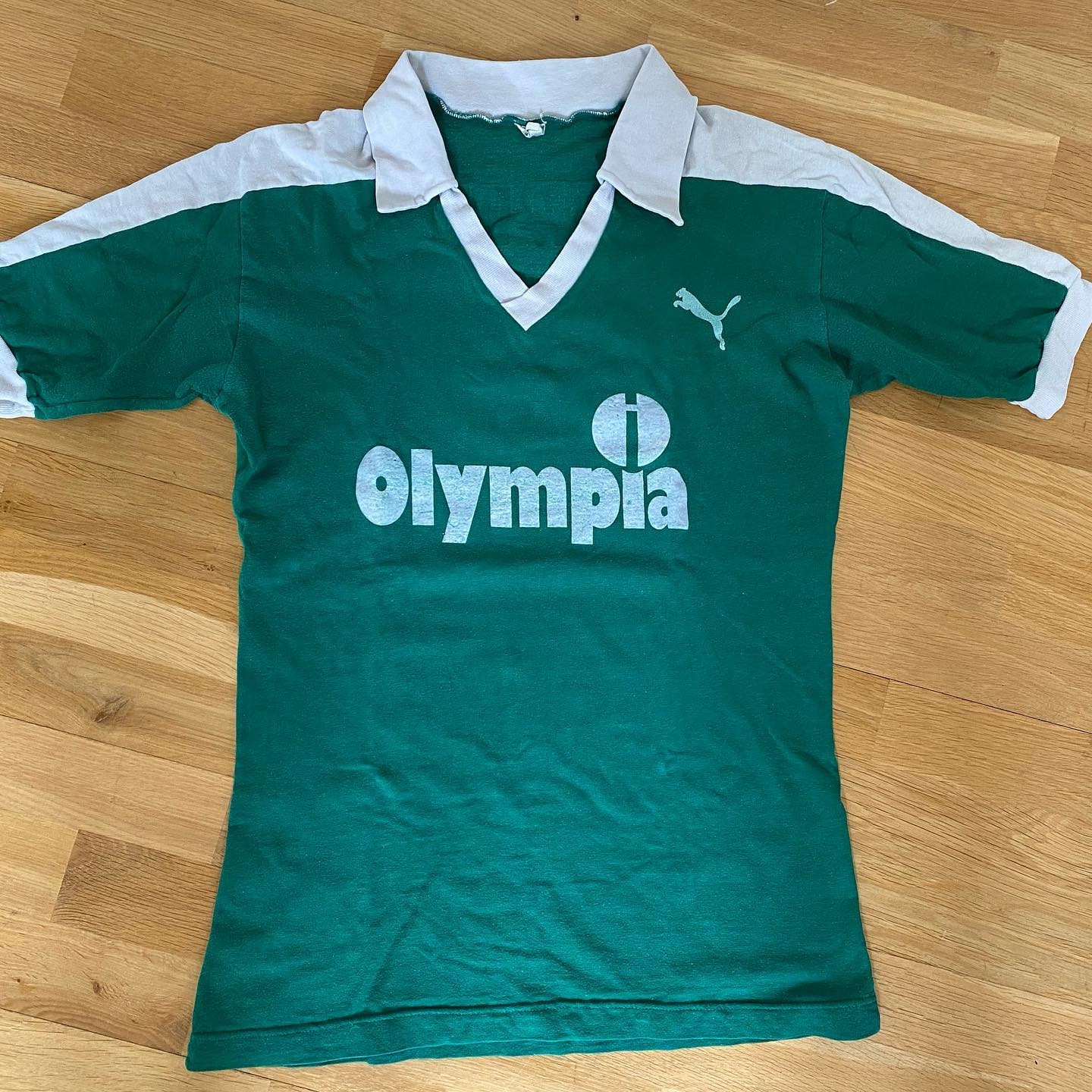
place
1979/80
FinishedHome
Away
place
1978/79
FinishedHome
Away
place
1977/78
FinishedHome
Away
place
1976/77
FinishedHome
Away
place
1975/76
FinishedHome
Away
place
1974/75
FinishedHome
Away
place
1973/74
FinishedHome
Away
place
1972/73
FinishedHome
Away
place
1971/72
FinishedHome
Away
place
1970/71
FinishedHome
Away
place
2021/22
FinishedJul 2021 – May 2022
Home
Away
place