
Est. 1899 · Milano, Italy · I Rossoneri
AC Milan
Founded in 1899 by English expatriates, AC Milan are one of the most decorated clubs in European football history. Seven European Cups and Champions League titles, 19 Scudetti, and a century of Rossoneri at San Siro. Gullit. Van Basten. Weah. Shevchenko. Kaká. 369 Milan kits catalogued on ShirtSociety.
1899: founded by the English
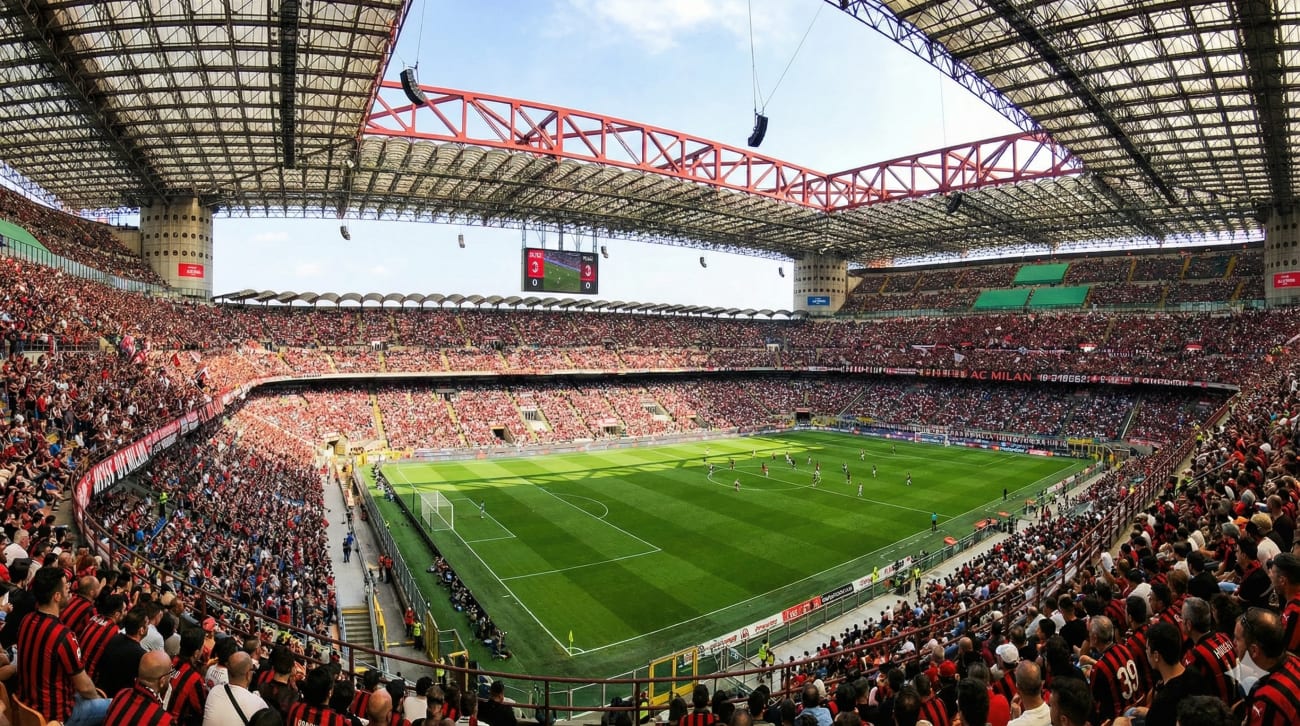
1899 · Milan Cricket and Football Club · Red and black as the home foundation
AC Milan was founded on 16 December 1899 by Herbert Kilpin and Alfred Edwards, British expatriates living in Milan. The club was originally called the Milan Cricket and Football Club, and the English spelling of the city, Milan rather than Milano, has remained ever since, a direct trace of those founding hands.
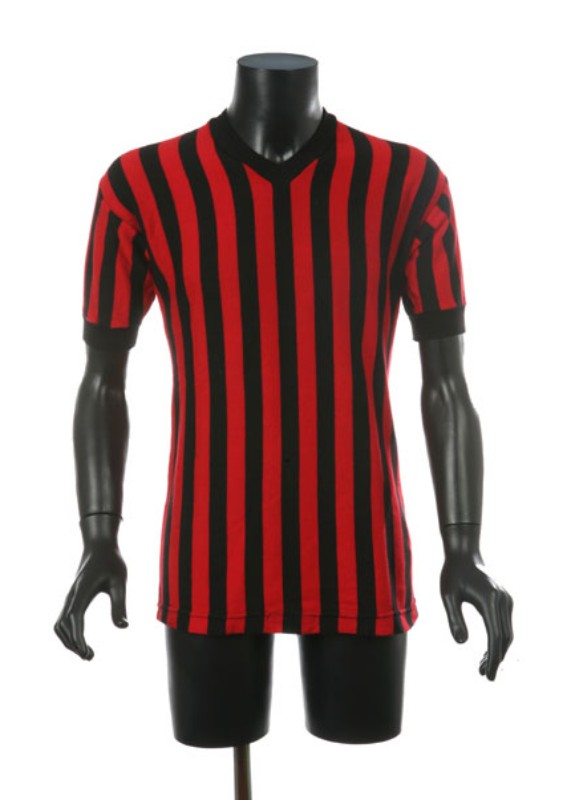
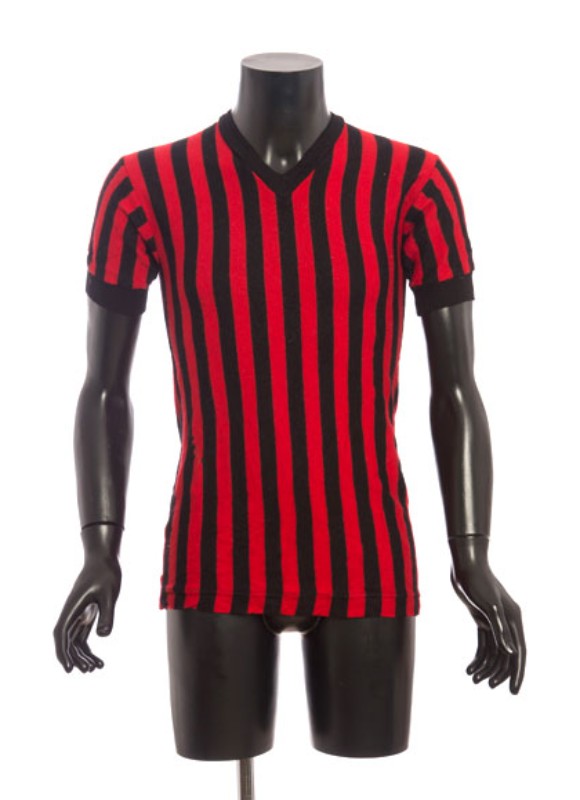
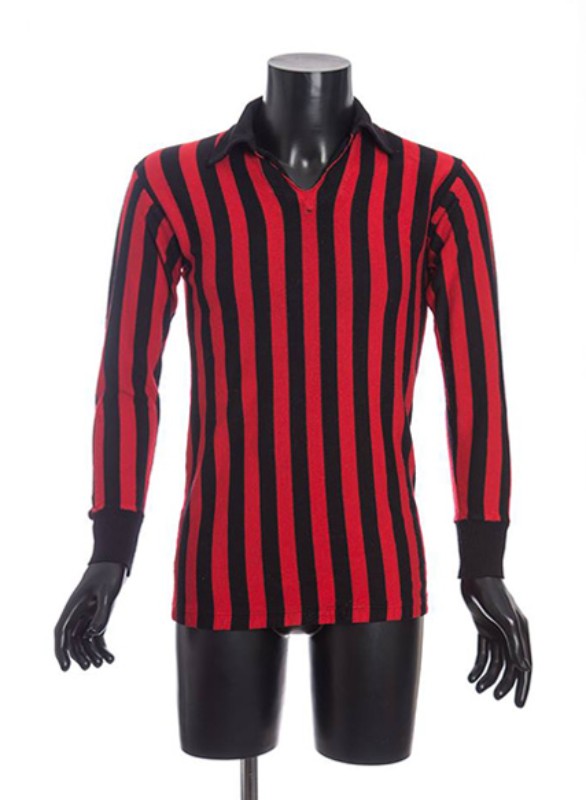
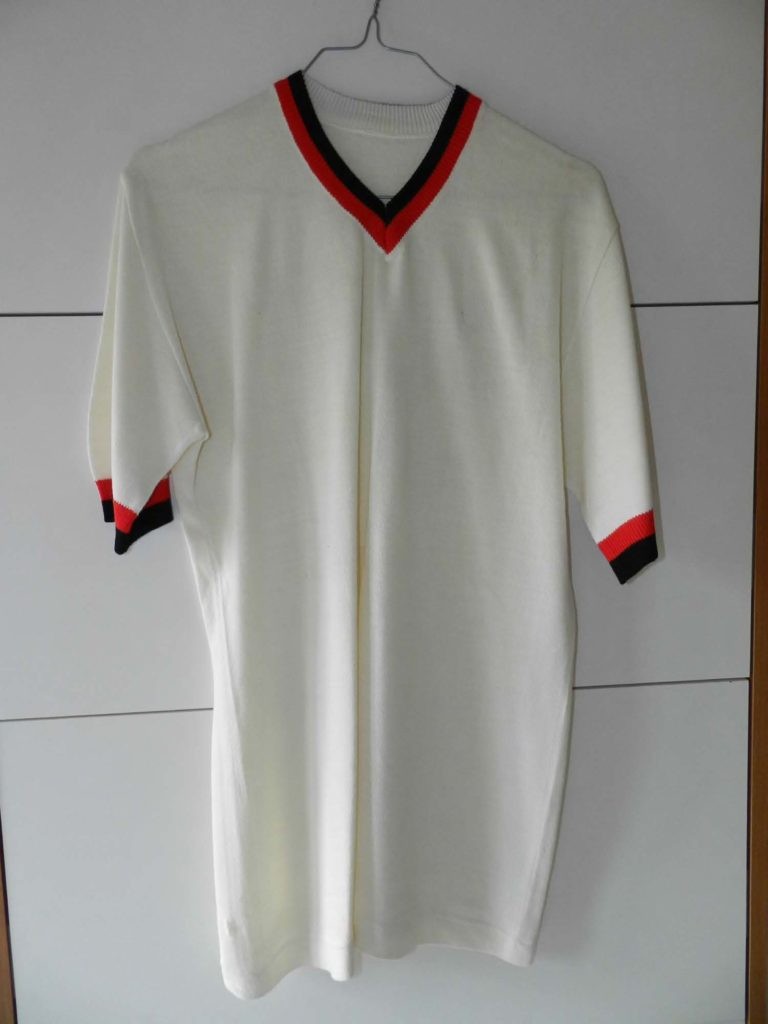
Kilpin, a forward who played in the club's early years, is credited with the red and black stripes. The popular explanation, red for the devil and black for opponents to fear, is club mythology without a documented source. What is certain is that red and black have been the home foundation since 1899. Designs, proportions, and shades have shifted across eras, and away kits have frequently been white, but the red and black home shirt has remained a constant.
The Stadio Giuseppe Meazza in the San Siro district of Milan has been the club's home since 1926, shared with city rivals Inter since 1947. With a capacity around 75,000, it is one of the most recognisable grounds in European football, and one of the most photographed backdrops in the history of the game.
Milan's first Serie A title came in 1901. The modern era of dominance began in the late 1980s under Arrigo Sacchi, when the club won back-to-back European Cups and were widely considered among the best sides in the world. The shirt archive on ShirtSociety starts in the 1970s and covers every manufacturer era through to the present Puma partnership.
Grande Milan: Sacchi and the Dutch triangle
1987–91 · Kappa · Gullit · Van Basten · Rijkaard · Two European Cups
Arrigo Sacchi arrived in 1987 with no top-level playing career behind him and a vision of football that Italian clubs had not seen before. The flat 4-4-2, the high press, the collective defensive shape: a style that influenced European football significantly in the decades that followed, developed on the training pitches of Milanello. Sacchi's Milan were not just a club team. They were a tactical argument.
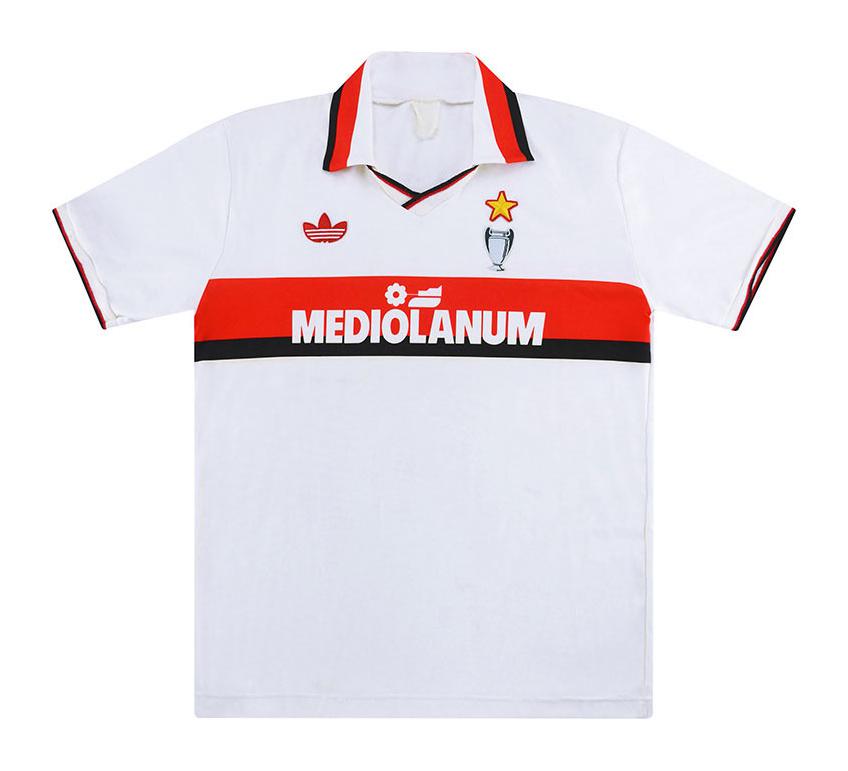
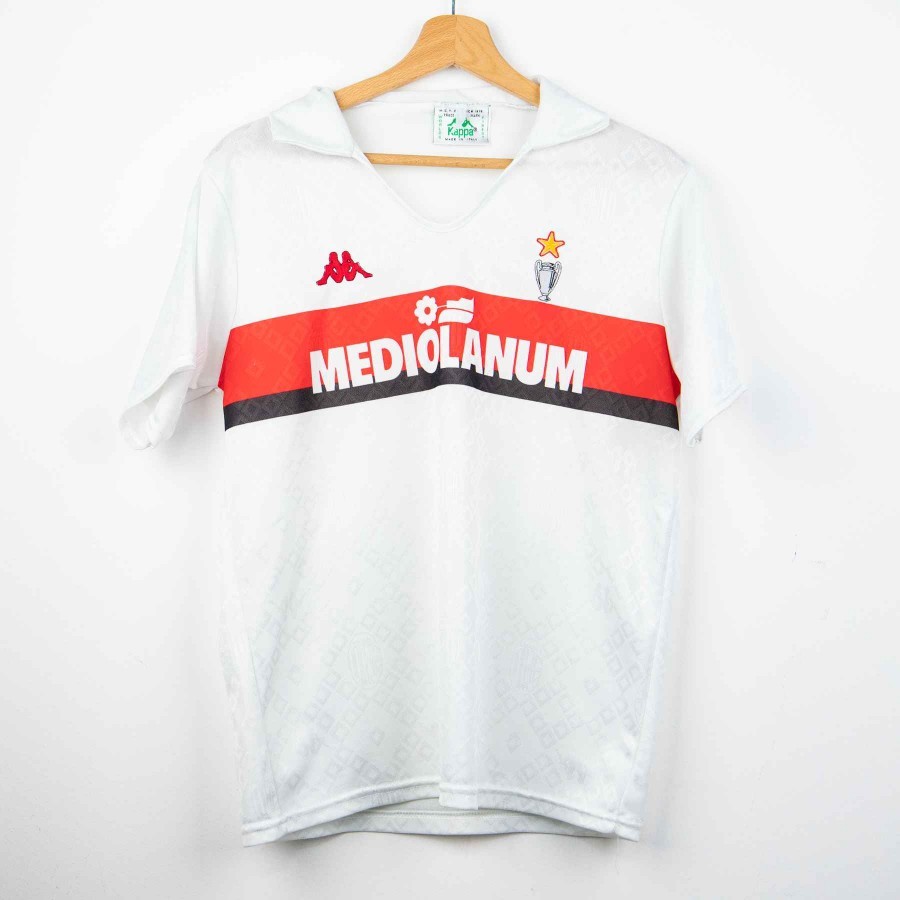
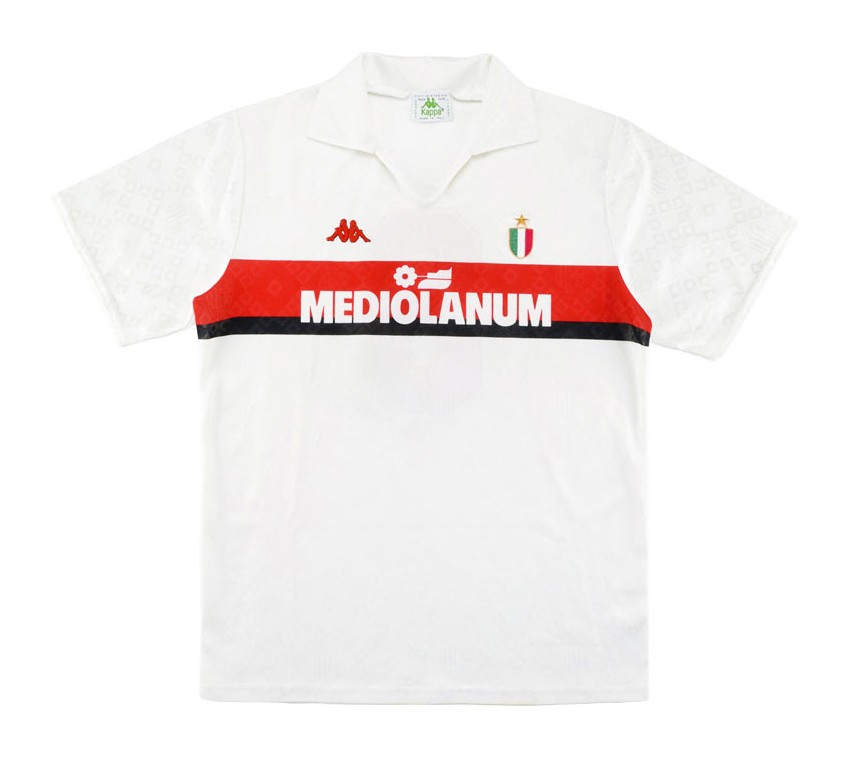
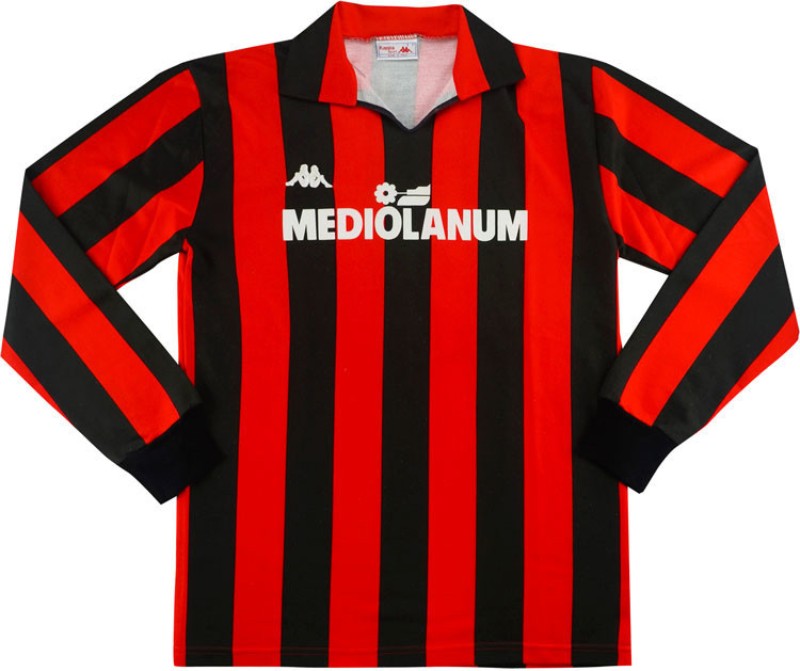
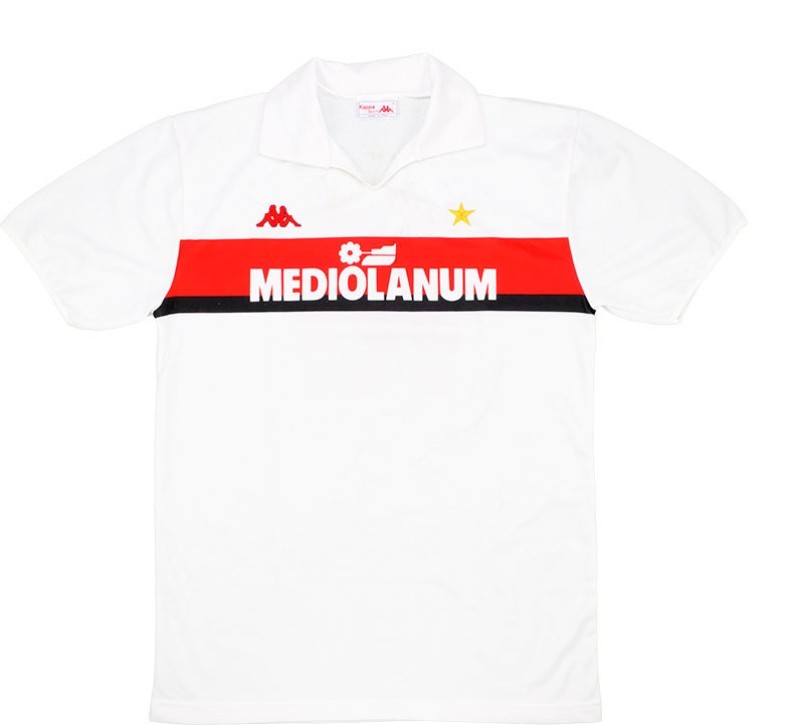
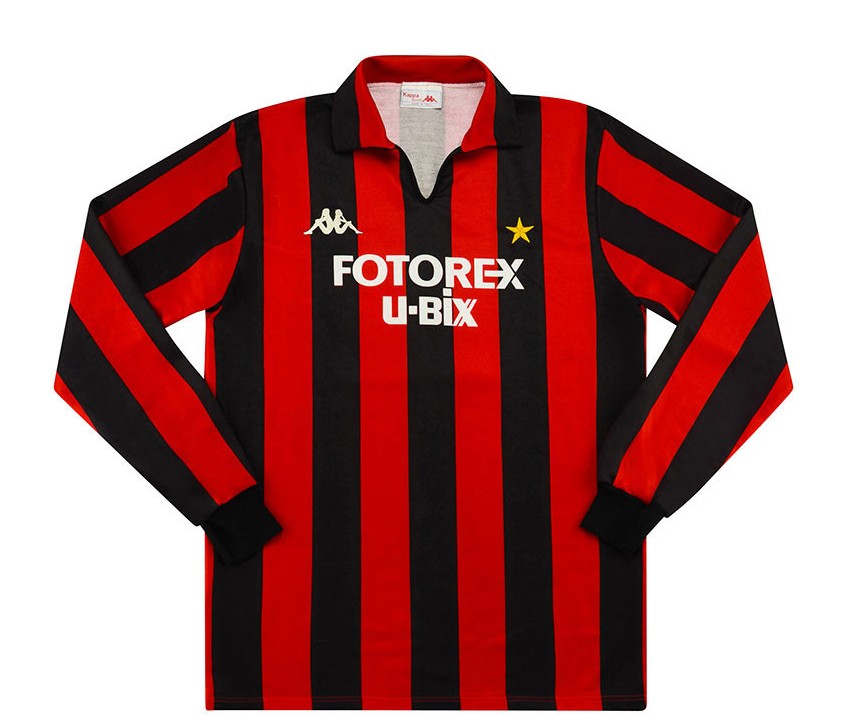
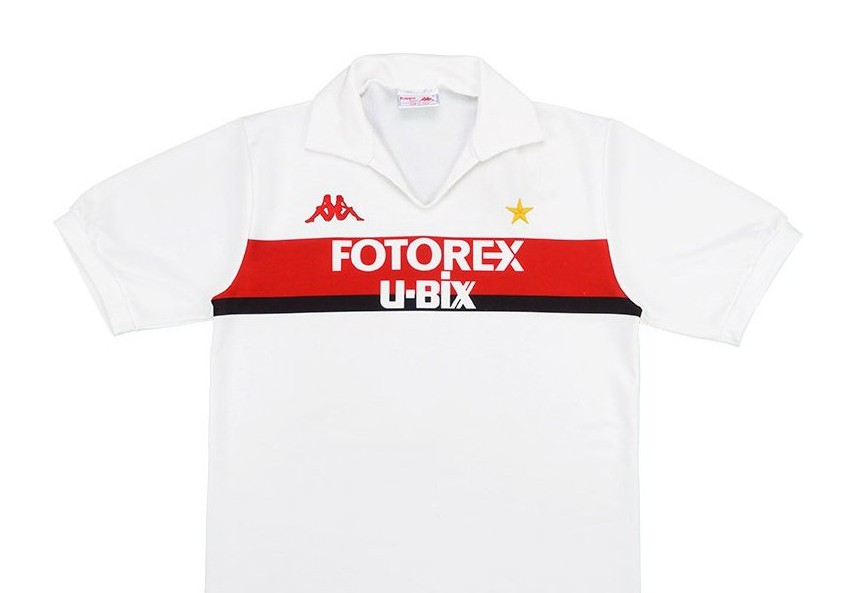
The instrument was the Dutch triangle. Ruud Gullit, who had won the Ballon d'Or in 1987, joined in summer 1987. Marco van Basten arrived the same summer. Frank Rijkaard followed a year later. Around them: Maldini, Baresi, Costacurta, Evani. A squad without obvious weaknesses. The Kappa shirts of 1988-89 and 1989-90 dressed one of the most celebrated club sides in European football history.
In May 1989, Milan beat Steaua Bucharest 4–0 in the European Cup final in Barcelona. Van Basten scored twice, Gullit twice. A year later, they beat Benfica 1–0 in Vienna with a Rijkaard goal. Back-to-back European Cups, and a playing style that had not been seen in Italian football before Sacchi arrived.
Browse Kappa Milan kits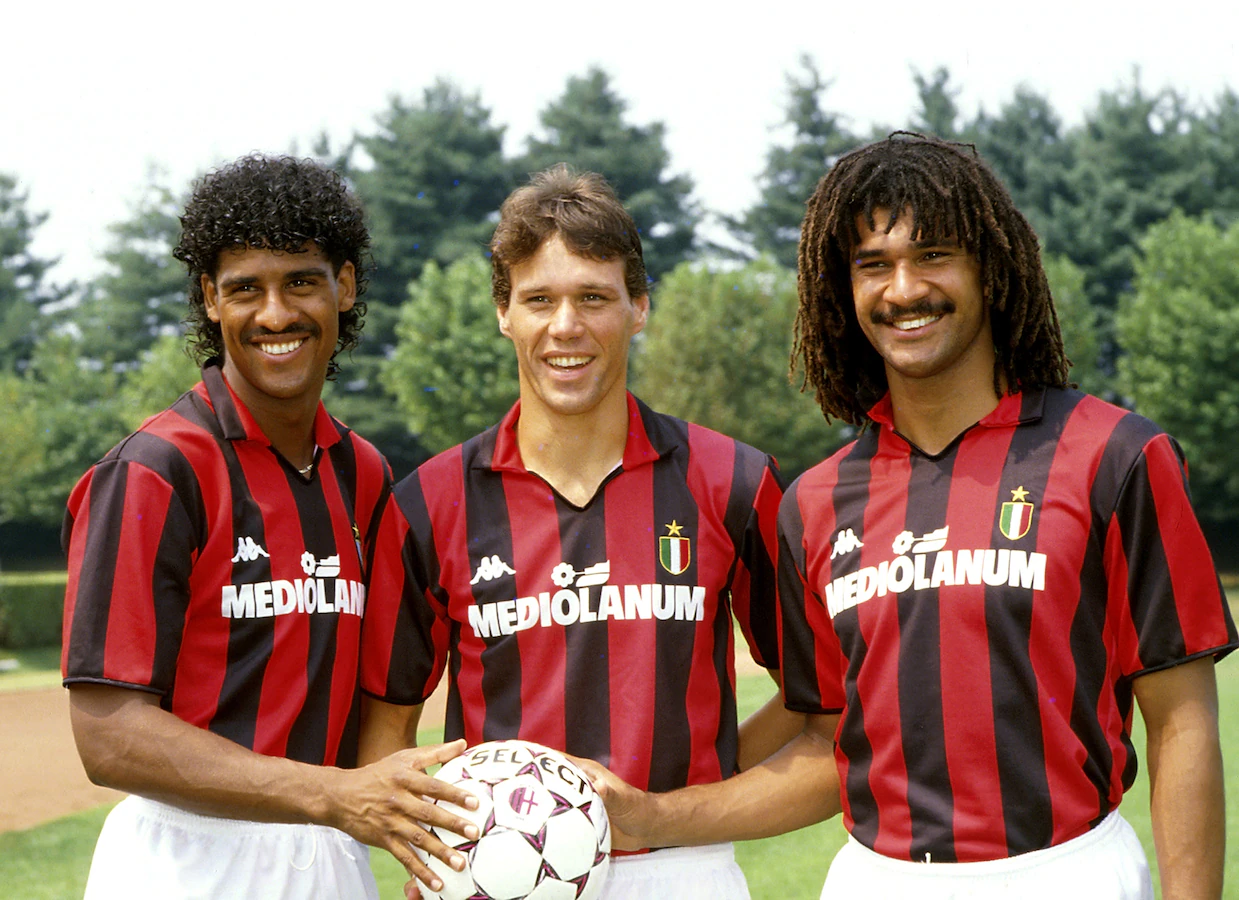
The Lotto years: 1993 to 1998
Capello · 1994 Champions League · Weah · Maldini · Baresi
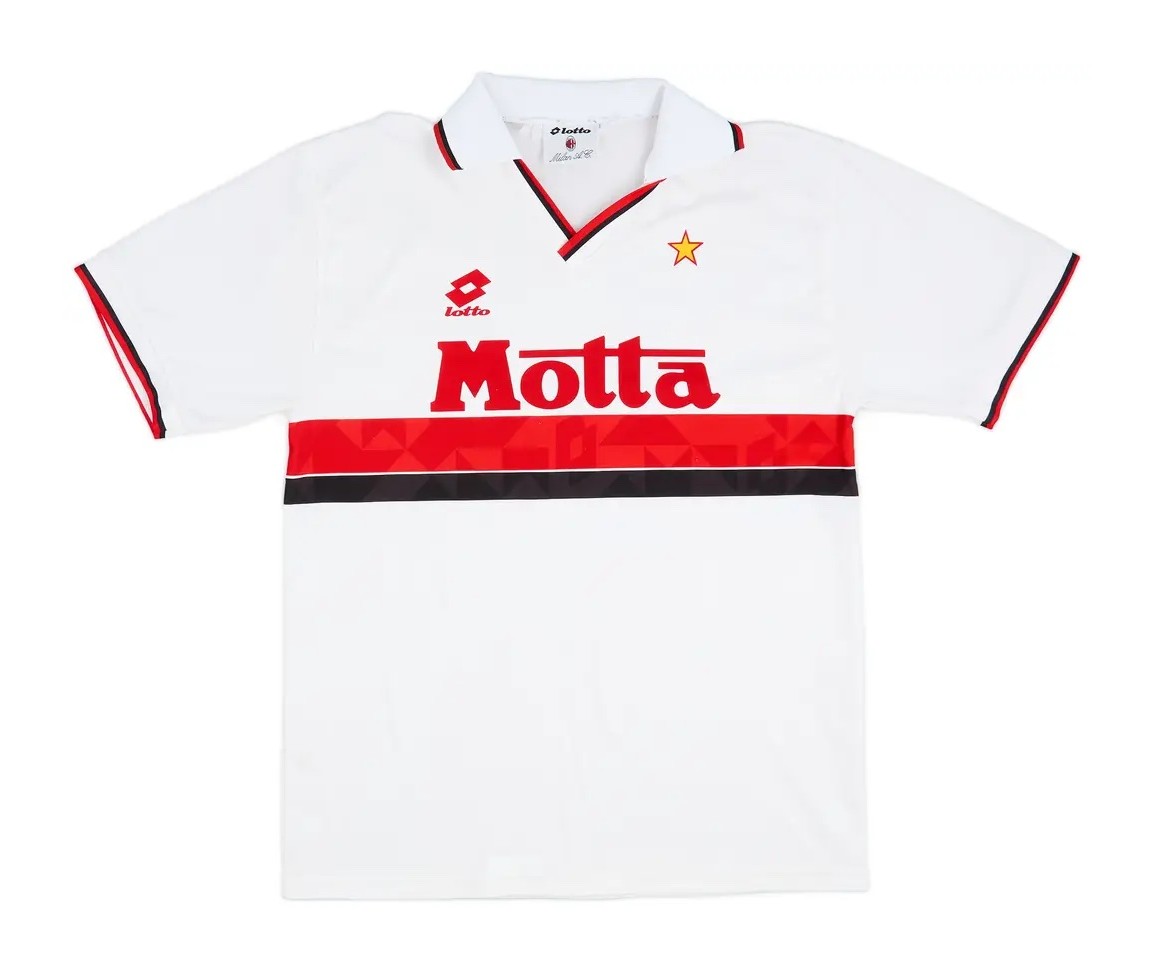
In the 1993/94 season, Milan switched from Adidas to Lotto and immediately won the Champions League, beating Barcelona 4–0 in the Athens final. Massaro scored twice, Savicevic and Desailly added one each. The Lotto shirt worn that night is among the most storied kits in the club's archive, for collectors who focus on match history.
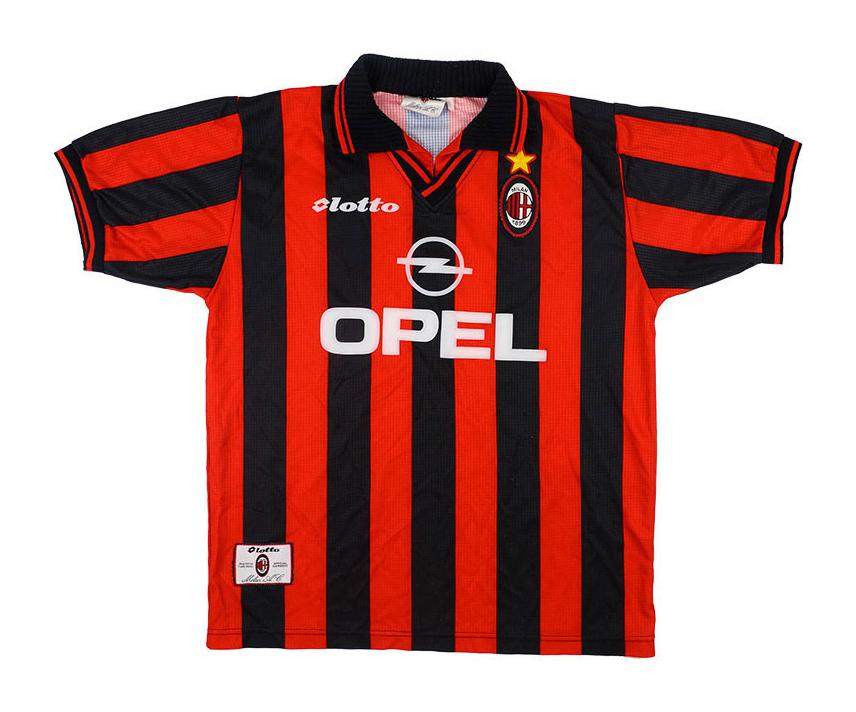
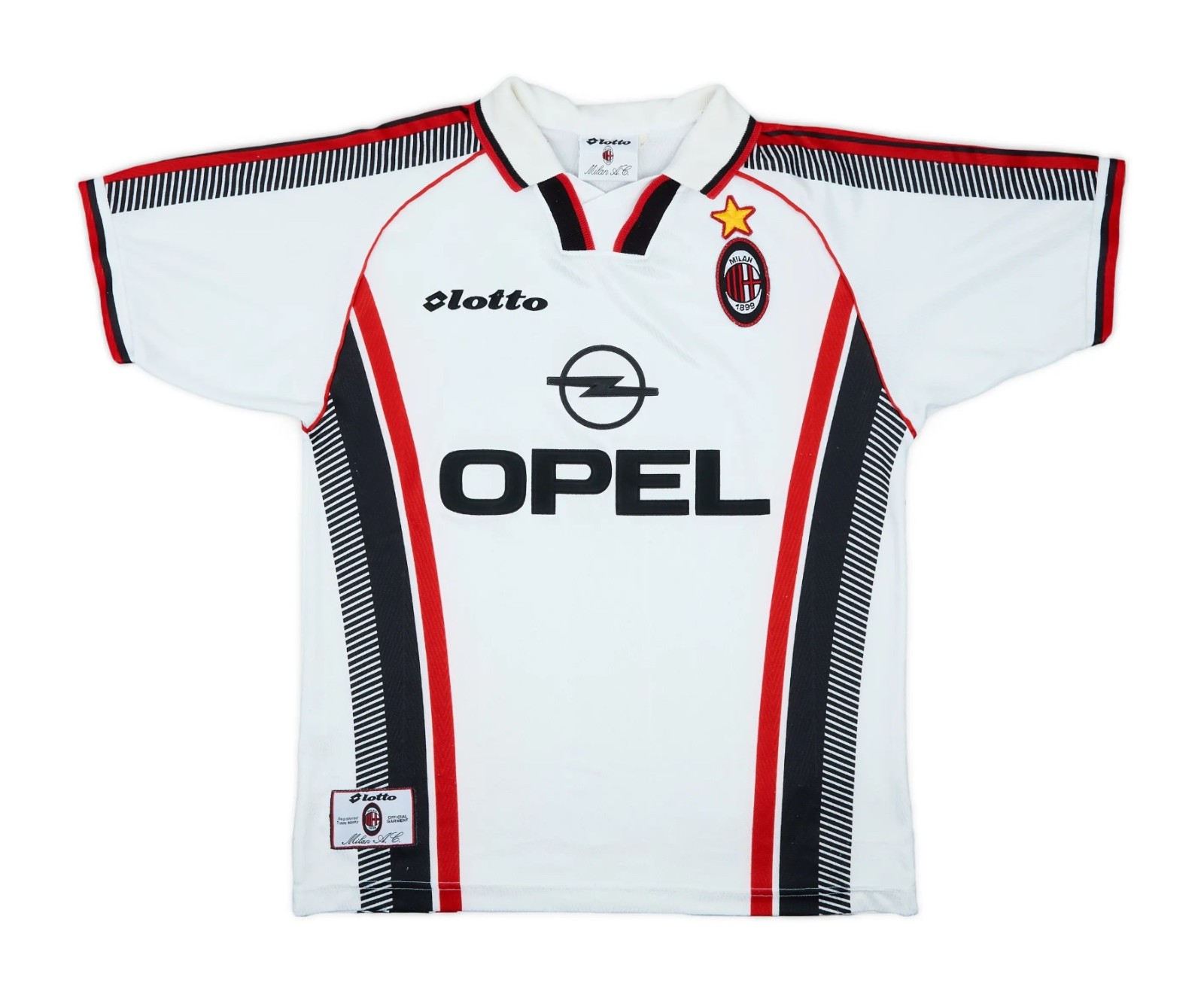
Under Fabio Capello, Milan won the Scudetto in 1993/94 and 1995/96 during the Lotto years, with Capello also returning for the 1997/98 season. The squad included Paolo Maldini, Franco Baresi and Demetrio Albertini, alongside George Weah, who won the Ballon d'Or in 1995 and spent three seasons in the Lotto shirt.
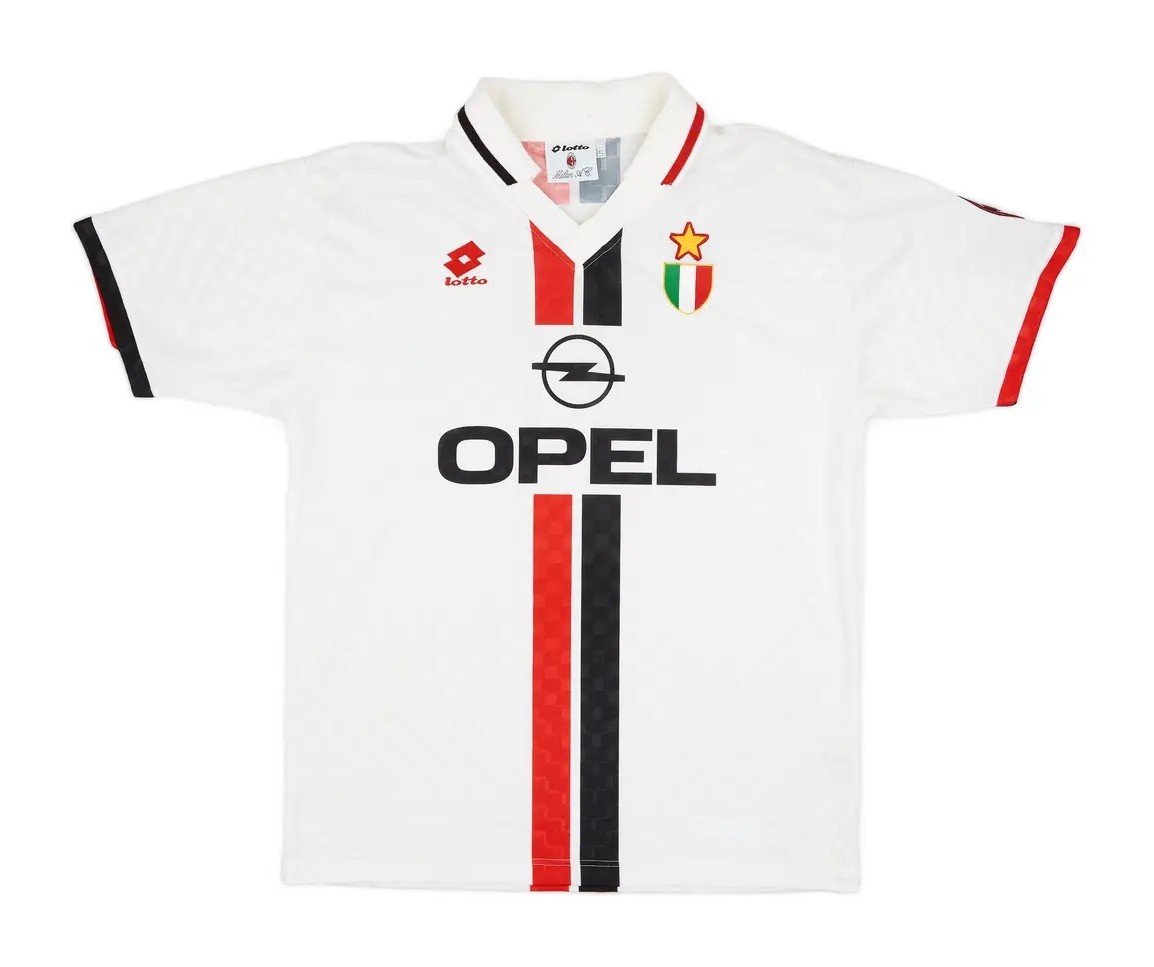
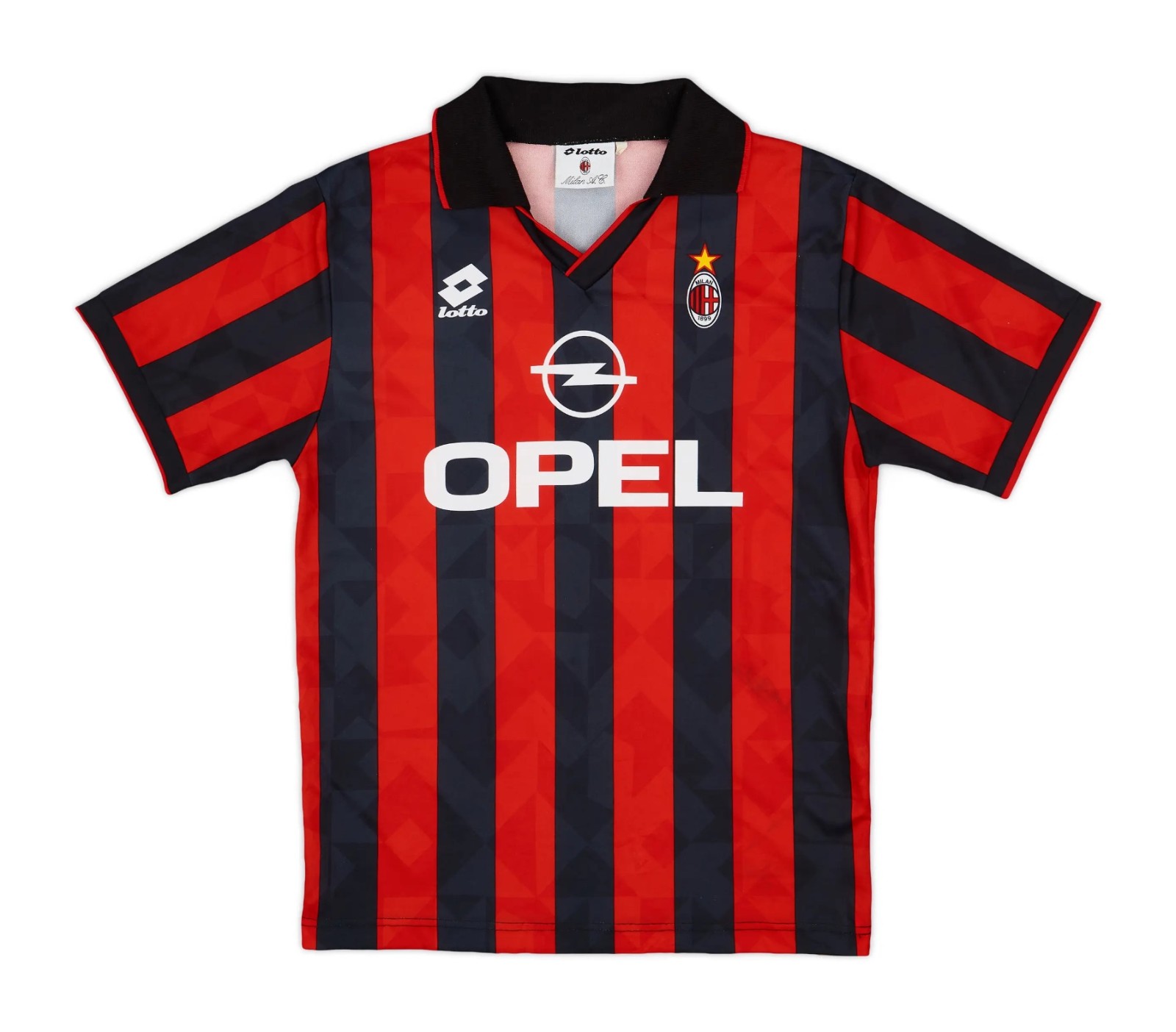
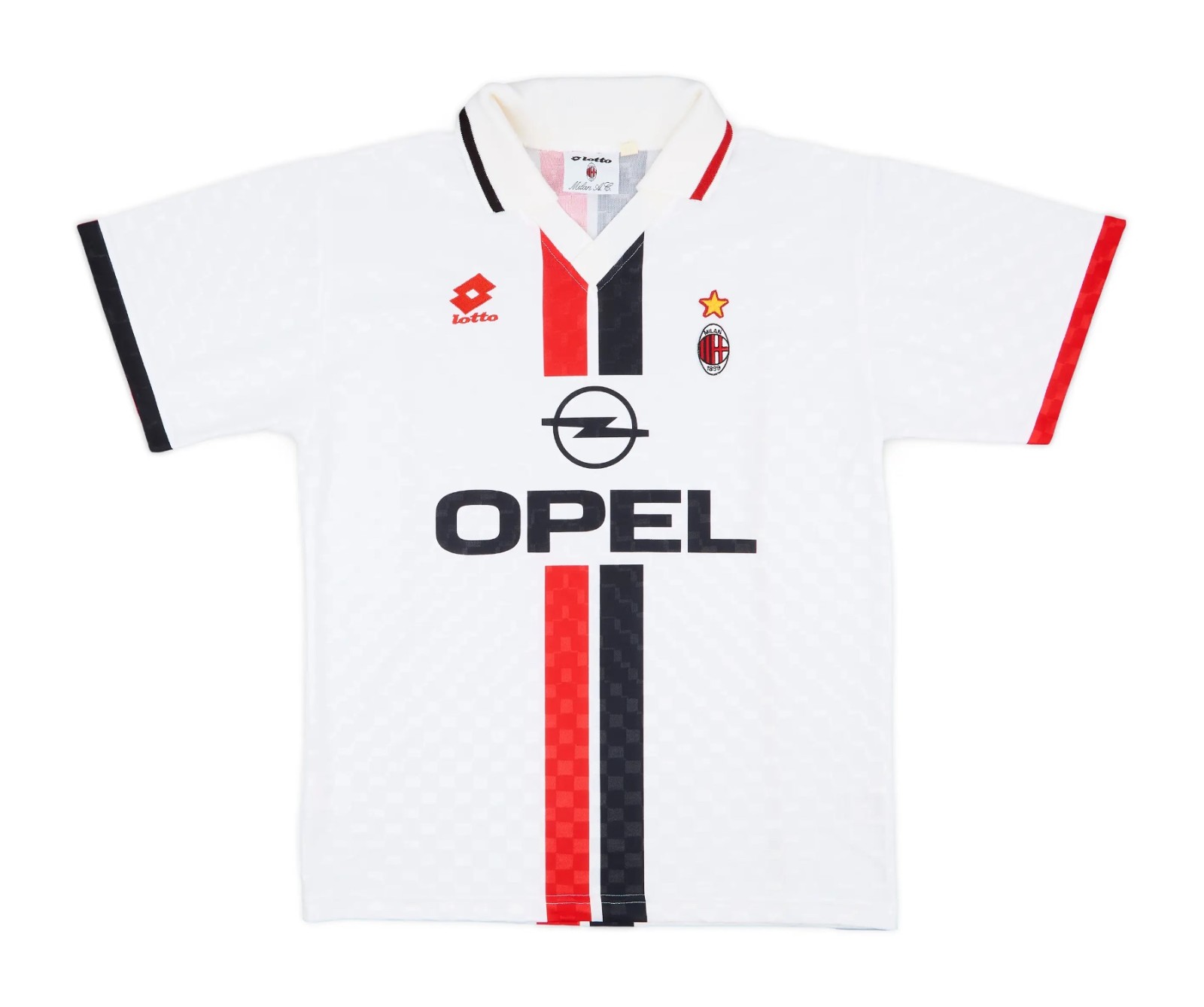
The five Lotto home kits from this period, 1993/94 through 1997/98, represent the heart of the Milan archive for serious collectors. The 1993/94 Champions League final shirt is the obvious starting point. The 1996/97 away kit, worn by Weah, is the most visually recognisable of the run.
Read more about Lotto's Milan eraShevchenko and Kaká: the Adidas golden years
Adidas · 1998–2018 · Shevchenko · 2002/03 Champions League
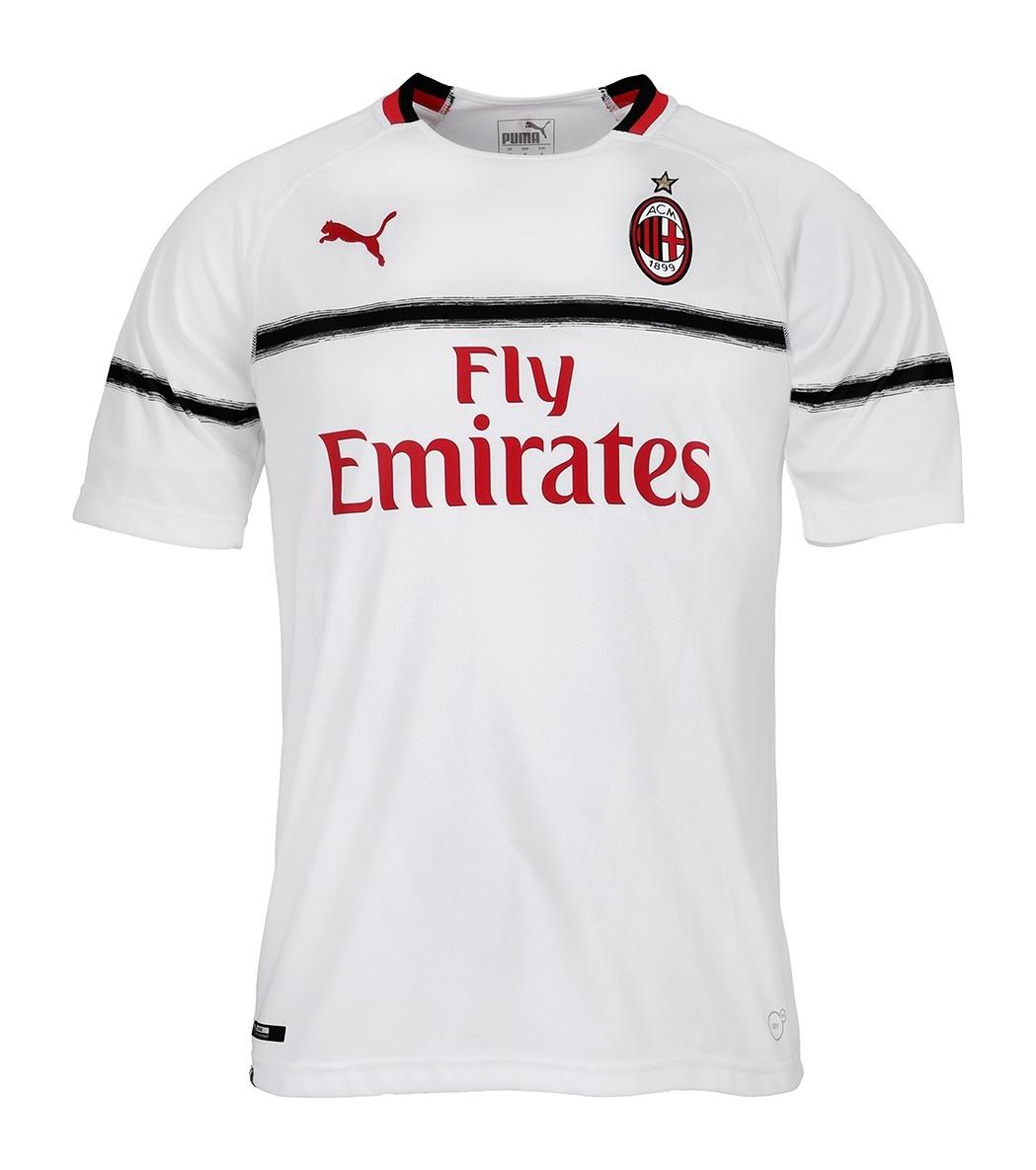
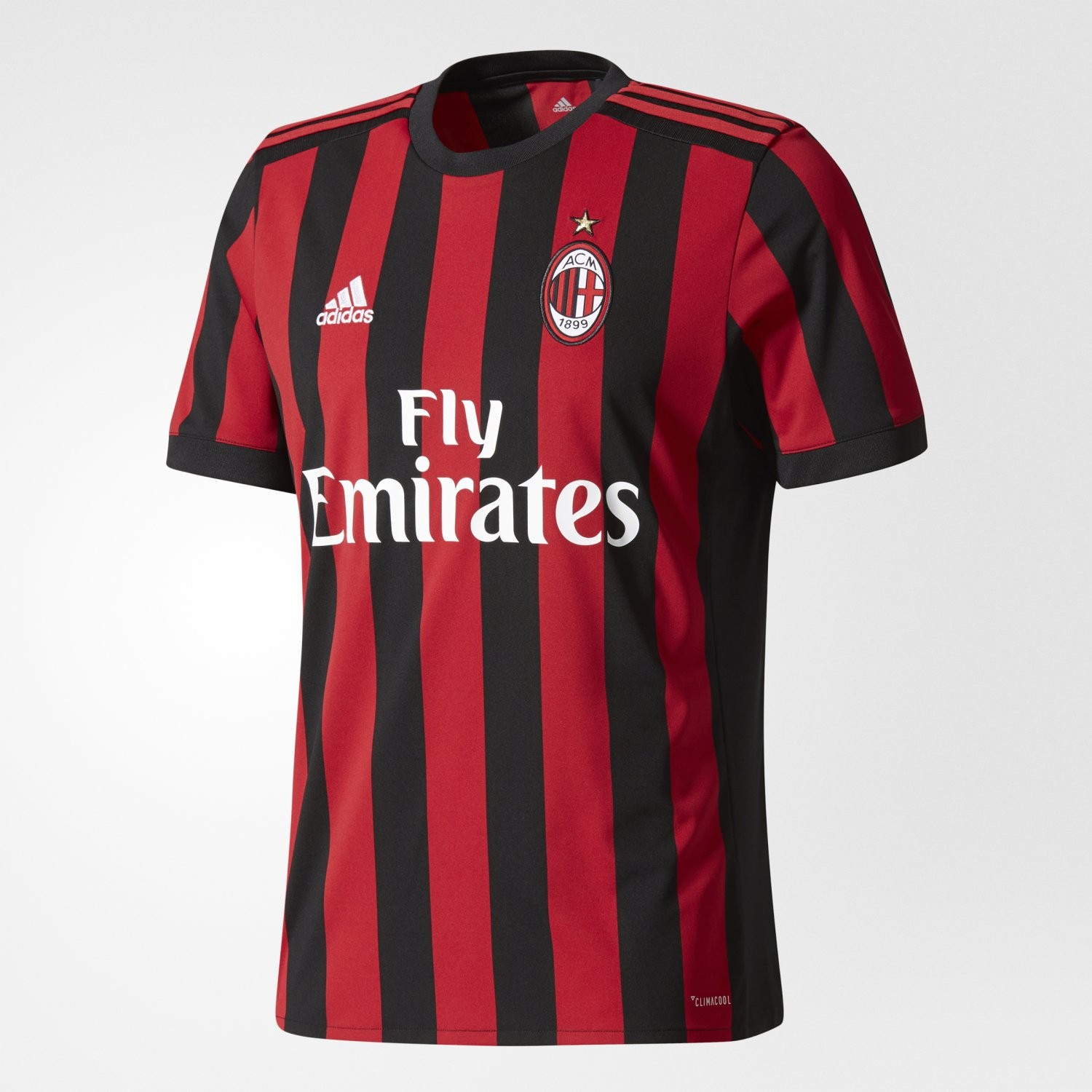
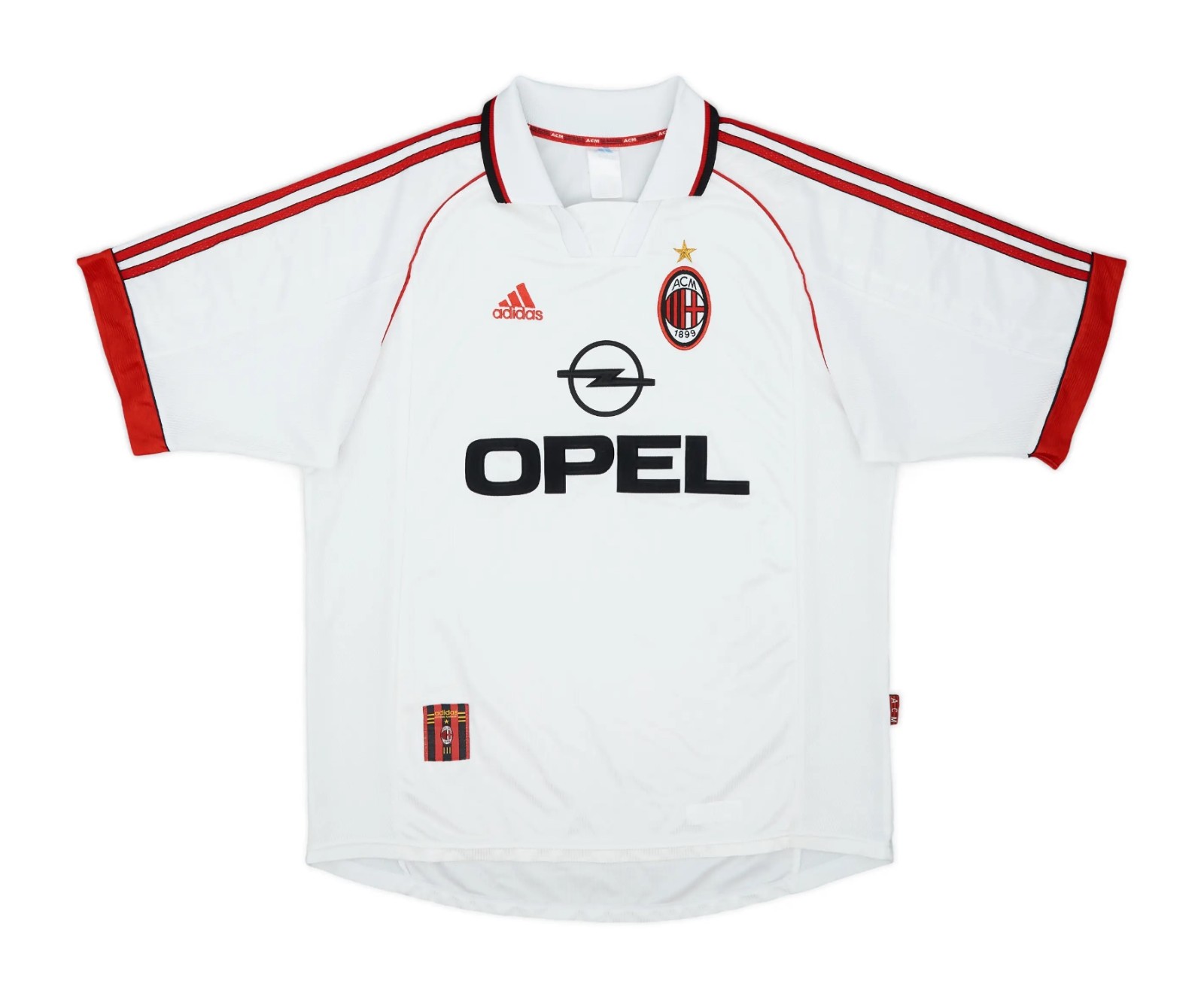
When Adidas returned for the 1998/99 season, they began what became a 20-year partnership, the longest continuous kit deal in the club's modern history. The era's first peak arrived with Andriy Shevchenko, who joined from Dynamo Kyiv in 1999 and became the most feared striker in European football within two seasons.
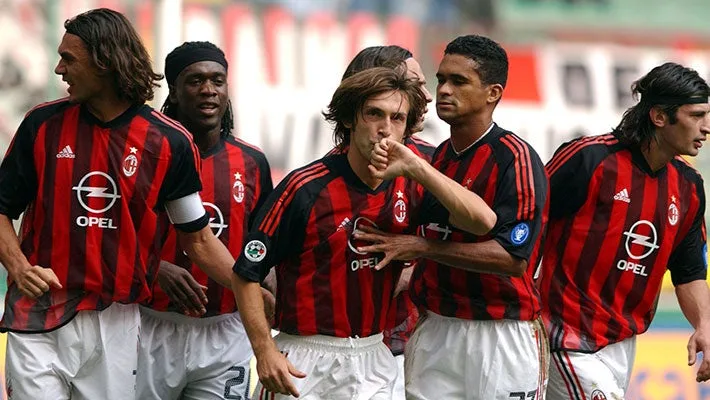
In 2002/03, under Carlo Ancelotti, Milan won their sixth European Cup. The midfield was anchored by Andrea Pirlo, with Alessandro Nesta marshalling the defence alongside Maldini. The semifinal against Inter is remembered as one of the great European nights. The final against Juventus in Manchester ended 0–0 after extra time, with Milan winning 3–2 on penalties. Shevchenko scored the decisive kick. He won the Ballon d'Or the following season.
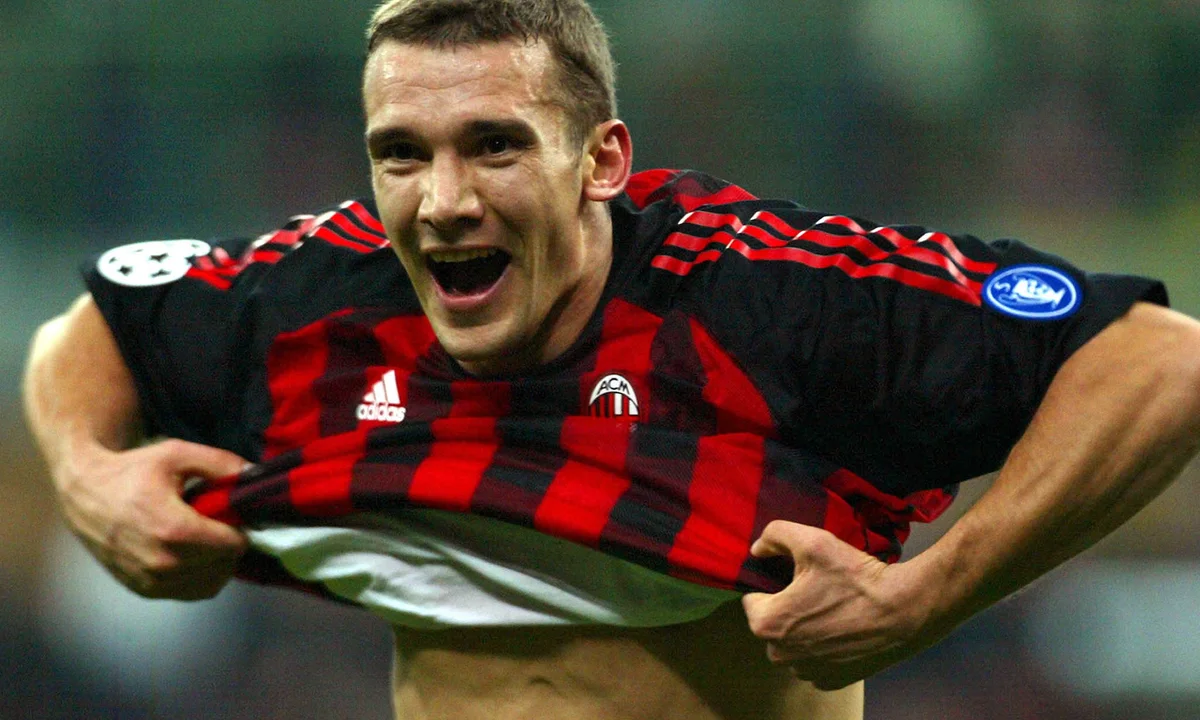
The 2002/03 Adidas home shirt is the defining kit of the Shevchenko era. The vertical pinstripe, the classic Adidas template, the Champions League badge sewn in. It is among the more collected Italian club shirts of the 2000s, though Juventus and Inter product from the same decade competes for that territory.
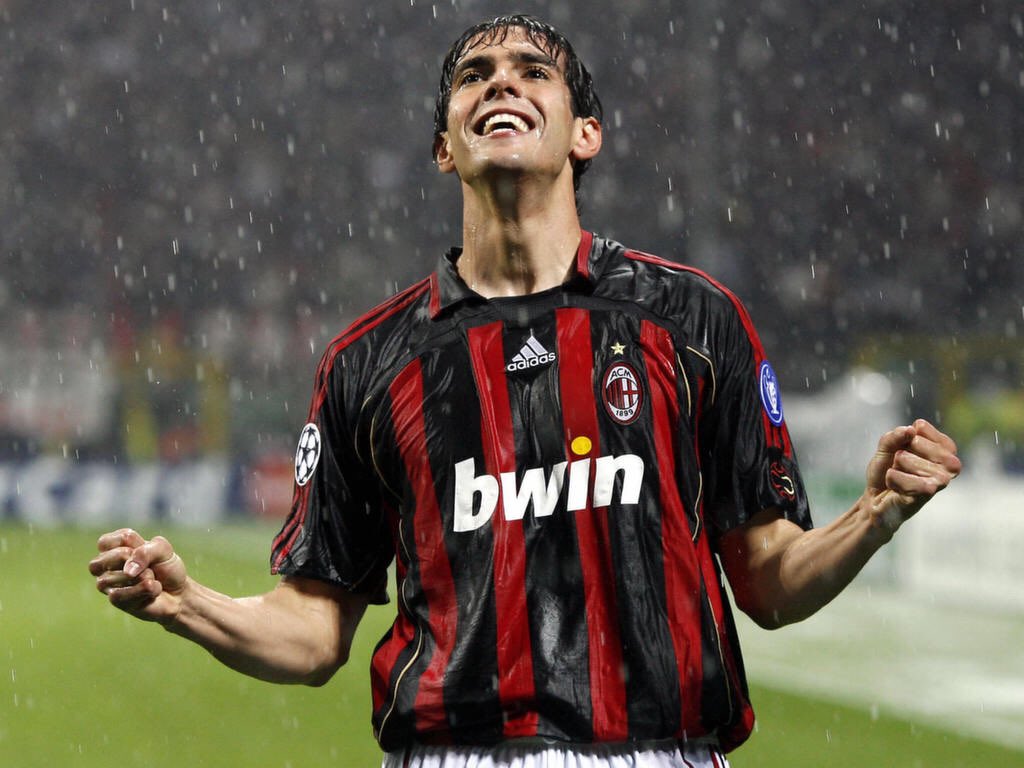
Kaká · 2006/07 Champions League · Ballon d'Or 2007
Ricardo Kaká joined from São Paulo in 2003 and over the following six seasons was one of the best players in the world. The combination of pace, vision, and technique made him one of the standout attacking midfielders of his generation.
In 2006/07, Milan won their seventh European Cup, beating Liverpool 2–1 in the Athens final. Kaká was the dominant figure of the tournament, scoring five goals and providing two assists on the way to the final. He won the Champions League Player of the Season and the Ballon d'Or that year, the last player to win it outside of the Messi-Ronaldo era until 2018.
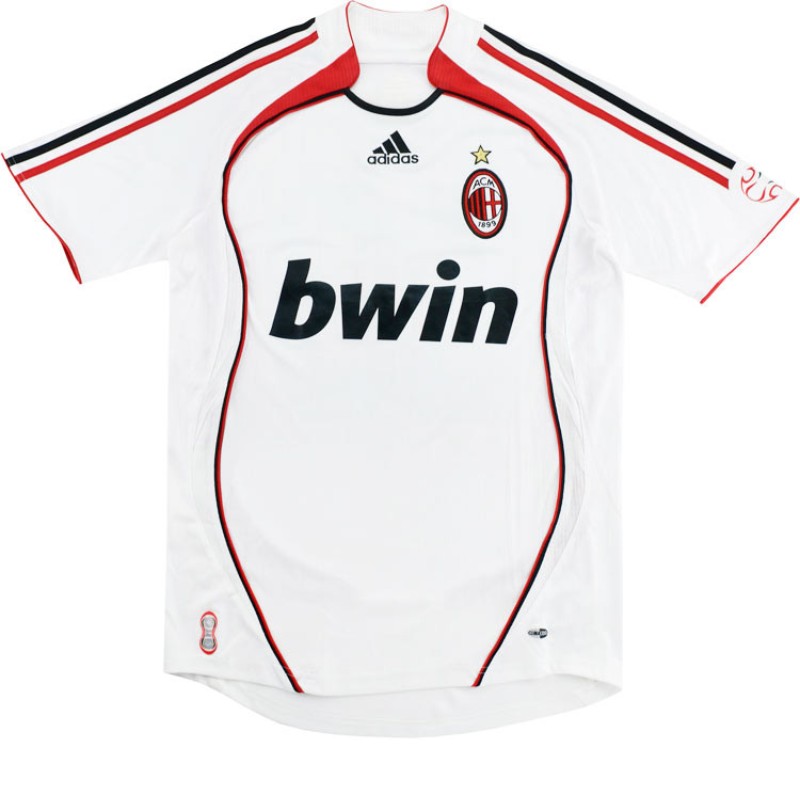
The 2006/07 Adidas home shirt is the most collected Kaká-era kit. The design is restrained by modern standards, which works in its favour: the shirt is about the crest and the competition badges, not the manufacturer's template.
Puma and the Scudetto return
2018 to present · Puma · Scudetto 2021/22 · Pioli · Leão
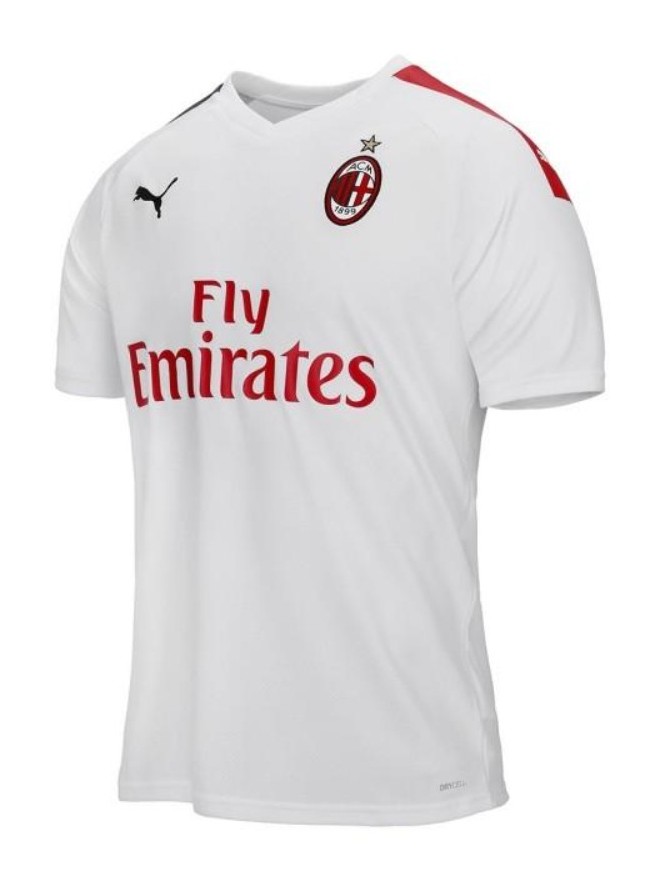
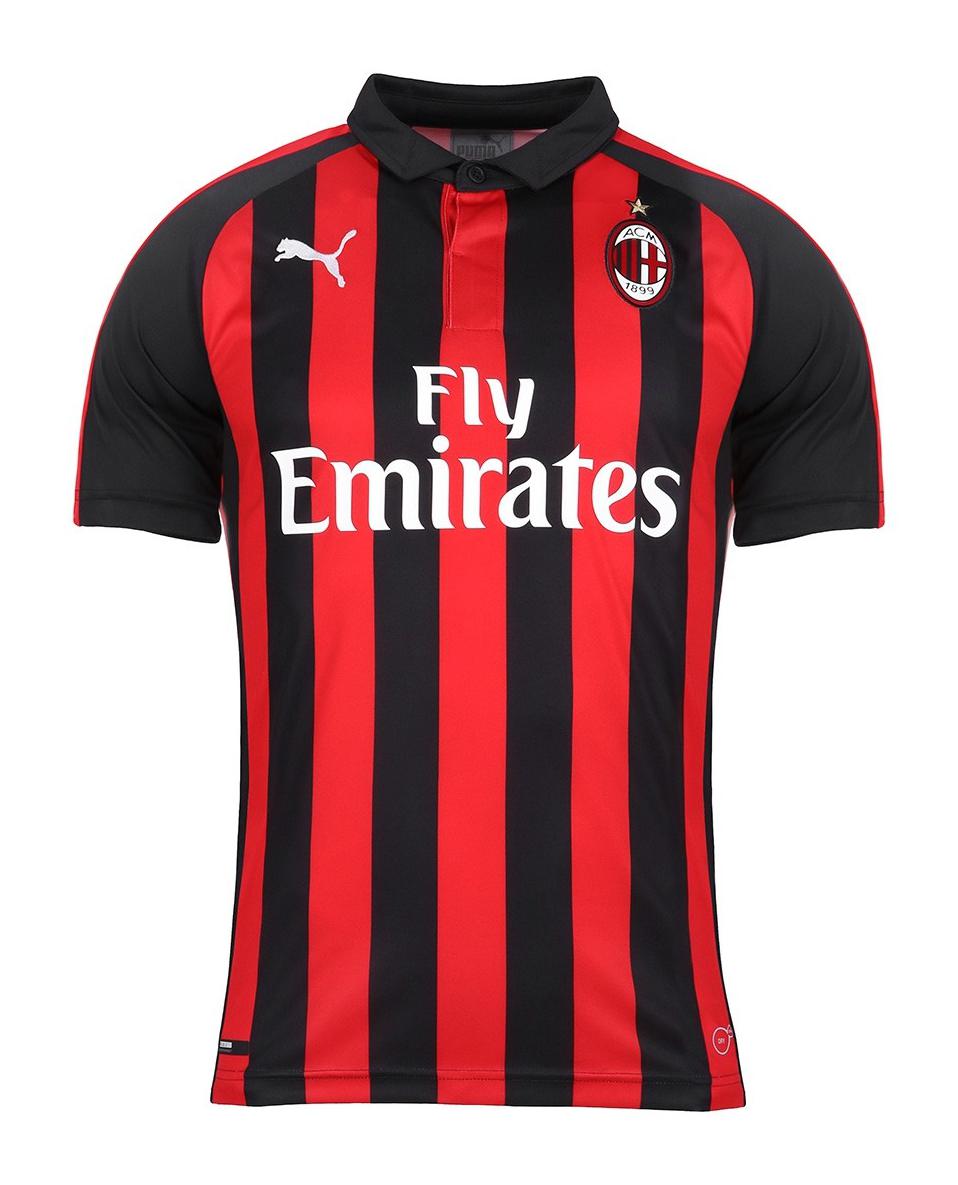
Puma replaced Adidas for the 2018/19 season, ending a partnership that had lasted two decades. The transition coincided with a difficult period: between the end of the Ancelotti era and the arrival of Stefano Pioli, Milan had cycled through managers and struggled to match their European pedigree in domestic competition.
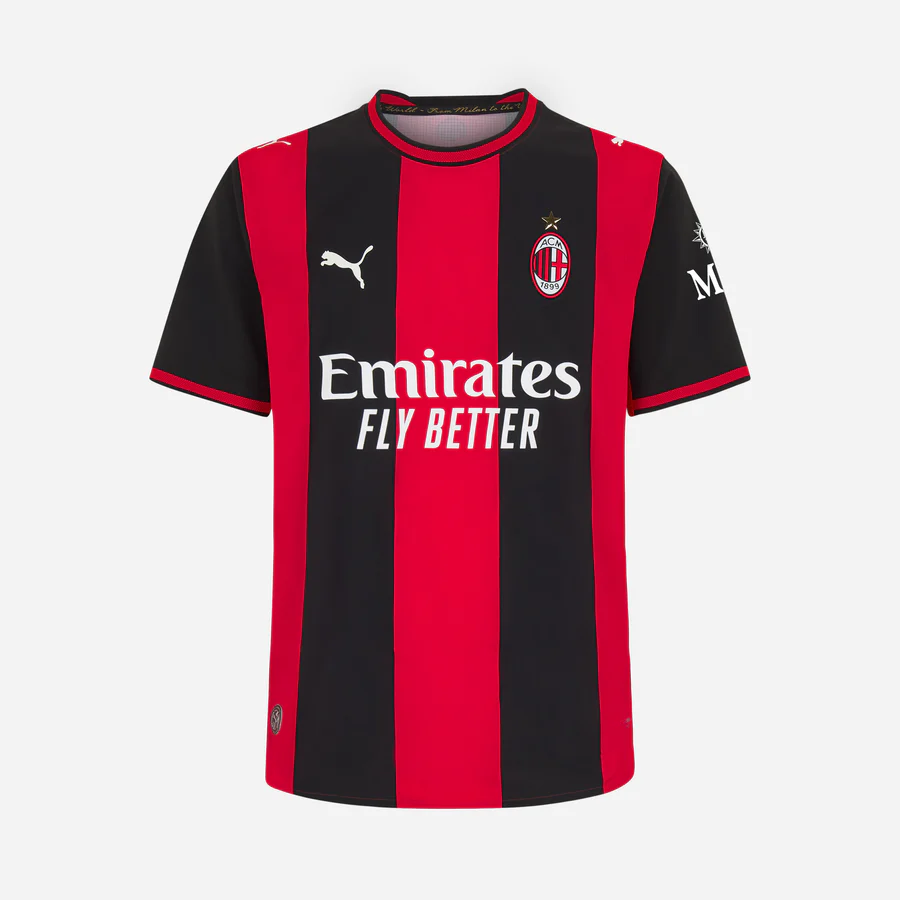
The turnaround came under Pioli, who took over in October 2019 and built a squad around Rafael Leão, Theo Hernández, Sandro Tonali, and Mike Maignan. In 2021/22, Milan won the Scudetto for the first time in eleven years, finishing two points ahead of Inter on the final day. The Puma home shirt from that season carries that achievement.
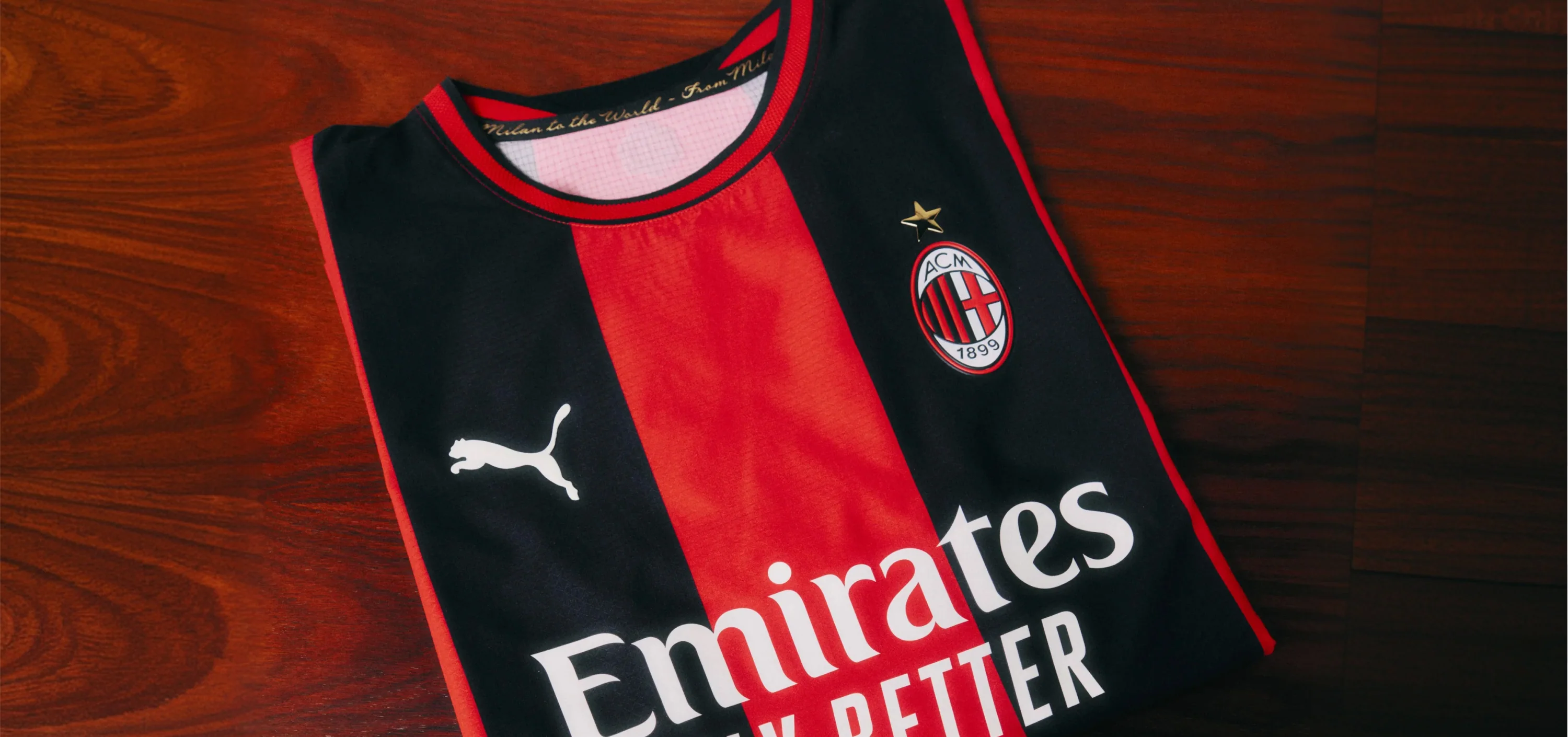
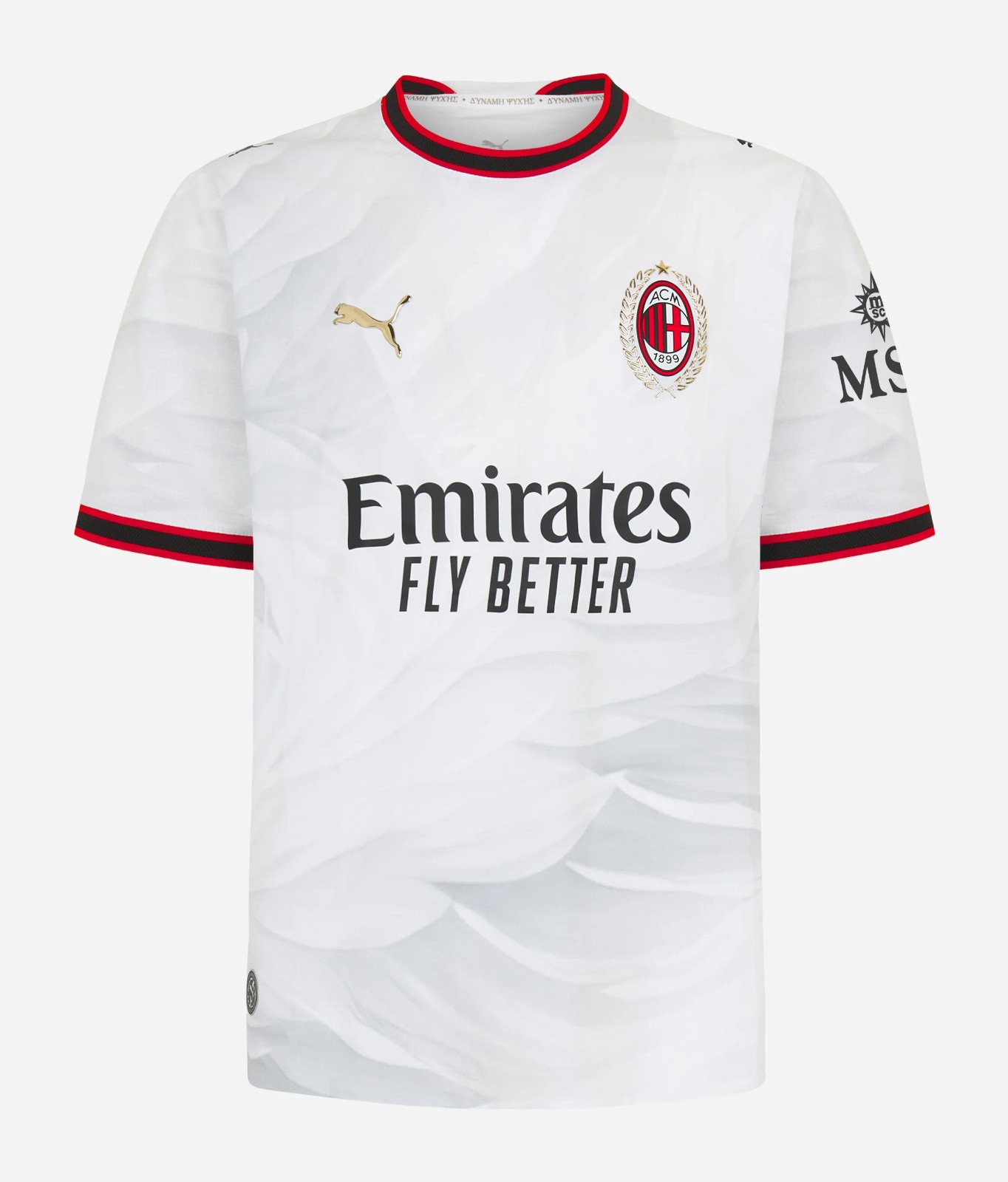
Puma's design language tends toward clean, graphic-led templates that suit the Rossoneri palette. Reception has varied by season, as it does with most modern kit partnerships, but the home shirts have been generally well regarded. The 125th anniversary kit in 2024/25 stands out as one of the more ambitious designs of the era.
Browse Puma Milan kits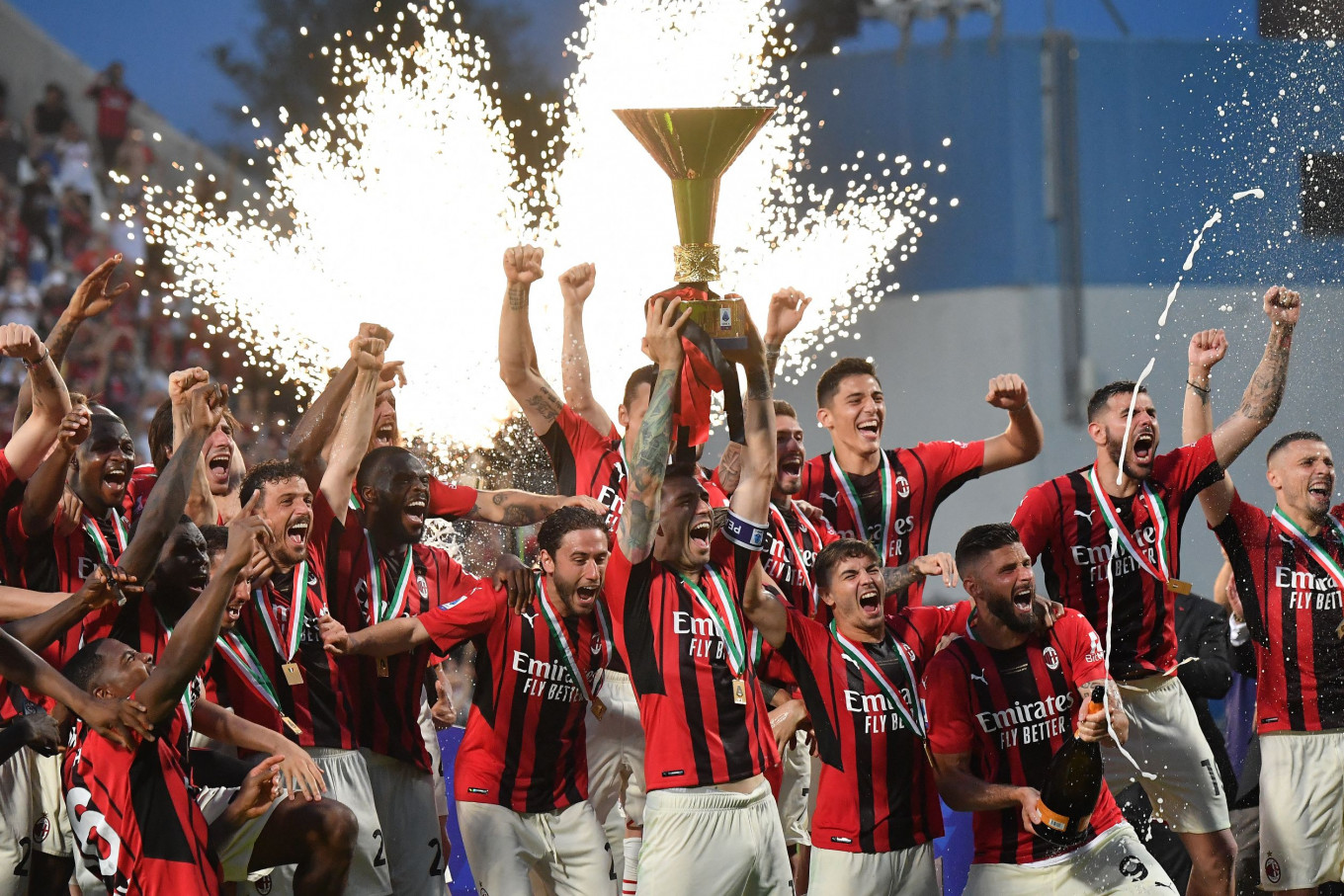
Key milestones
Founded by Herbert Kilpin and Alfred Edwards
The Milan Cricket and Football Club is established on 16 December 1899 by British expatriates in Milan. The English spelling of the city, and the red and black stripes, survive intact to this day. Early Scudetti follow in 1901, 1906, and 1907.
Sacchi's Milan win the first European Cup
In the 1988/89 season, Milan beat Steaua Bucharest 4–0 in the European Cup final in Barcelona. Gullit and Van Basten score two each. The following season, they defend the title with a 1–0 win over Benfica in Vienna. Back-to-back European Cups in Kappa shirts, with the Dutch trio at the peak of the game.
Lotto partnership begins, Capello era at full power
Milan switch to Lotto for 1993/94. In the first season, they win the Champions League 4–0 against Barcelona in Athens. Capello wins the Scudetto in 1993/94 and 1995/96 during this period. George Weah wins the Ballon d'Or in 1995 and spends three seasons in the Lotto shirt alongside Maldini, Baresi, and Albertini.
Sixth European Cup: Shevchenko wins it on penalties
Under Ancelotti, Milan beat Juventus 3–2 on penalties in Manchester after a 0–0 draw. Shevchenko scores the winning kick. He wins the Ballon d'Or the following year. The Adidas home shirt from this season is the most collected Italian club kit of the decade.
Seventh Champions League: Kaká leads Milan to Athens
Milan beat Liverpool 2–1 in the Champions League final in Athens, reversing the 2005 final result. Kaká is the dominant player of the tournament and wins the Ballon d'Or. The 2006/07 Adidas home shirt is the defining kit of the era.
Puma replace Adidas after 20 years
The Adidas partnership ends after two decades. Puma take over from 2018/19, beginning a new kit era. The early seasons are transitional on the pitch; the shirts are well designed from the start.
Scudetto: first title in eleven years
Under Stefano Pioli, Milan win Serie A in 2021/22, finishing two points ahead of Inter. Rafael Leão is named Serie A's most valuable player. The Puma home shirt from that season is the most significant kit in the current era of the club's archive.
369
Kits in ShirtSociety
7
European Cups / CL titles
19
Scudetti
1899
Founded
Iconic AC Milan kits
The most significant Milan shirts across every manufacturer era, from the Sacchi years to the Scudetto return.
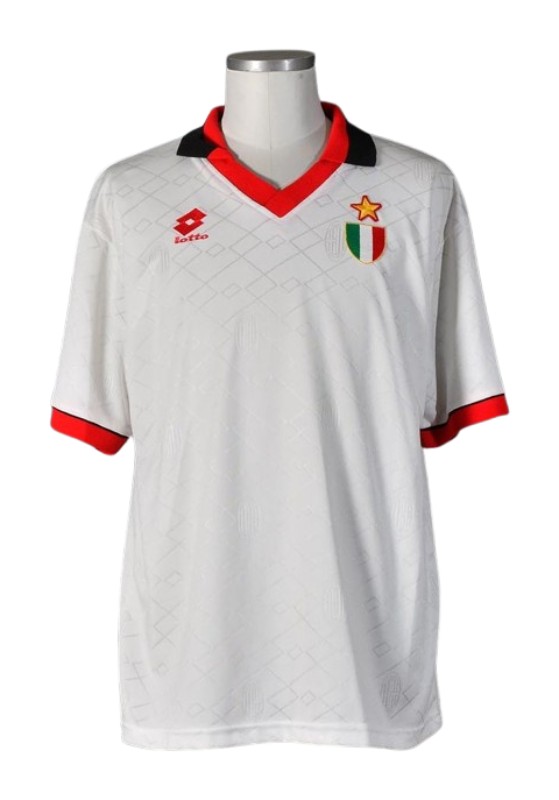
The shirt worn in the Champions League final in Athens. Milan beat Barcelona 4–0. Few kits in the Milan archive carry a more specific match history than this one, and it is a natural starting point for collectors focused on the Lotto era. Original examples are rare and expensive.
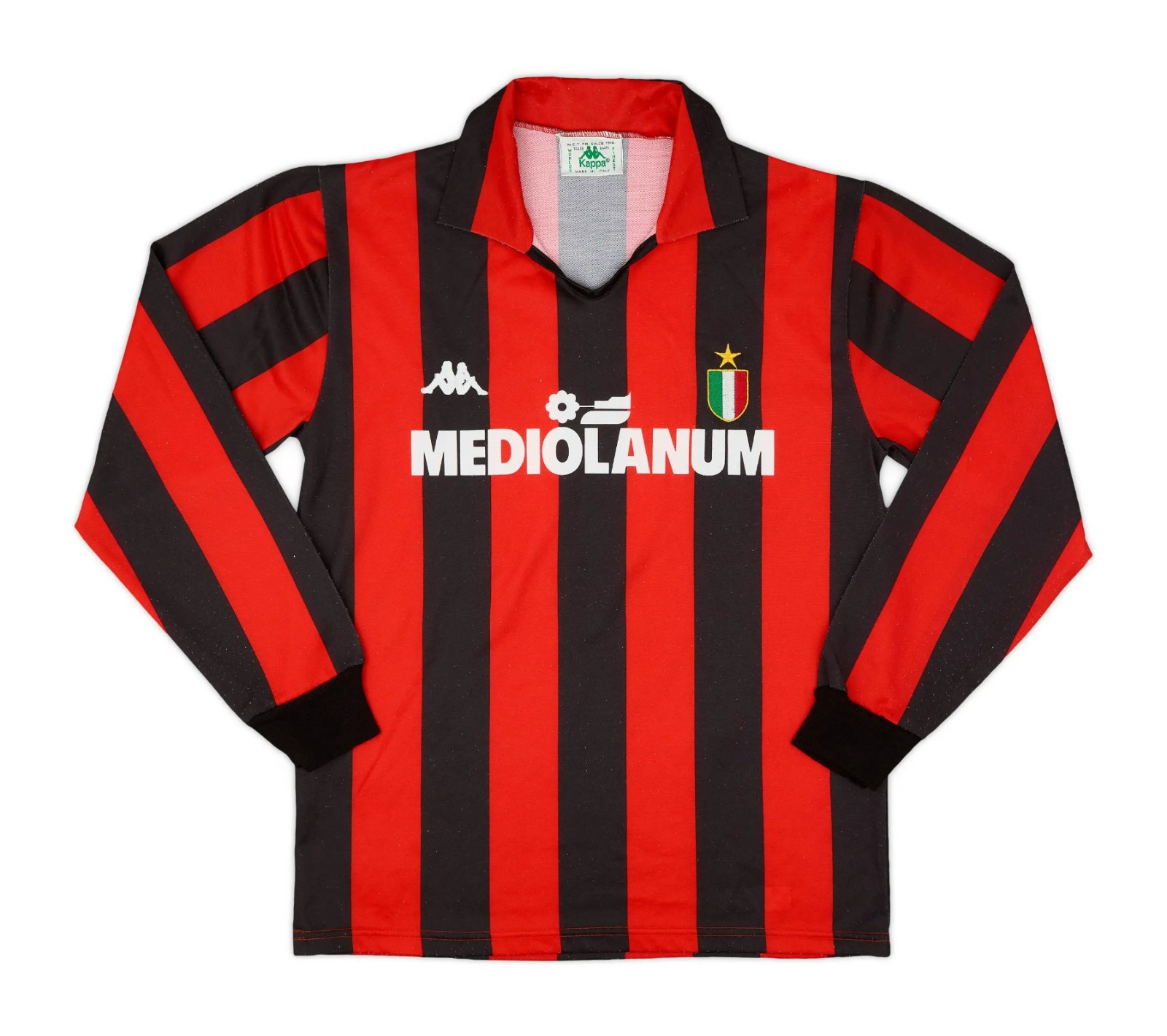
The Kappa shirt from Sacchi's first European Cup win. Gullit and Van Basten scored twice each in the 4–0 final against Steaua Bucharest. The Grande Milan era begins here, and this shirt is the first physical object in that story.
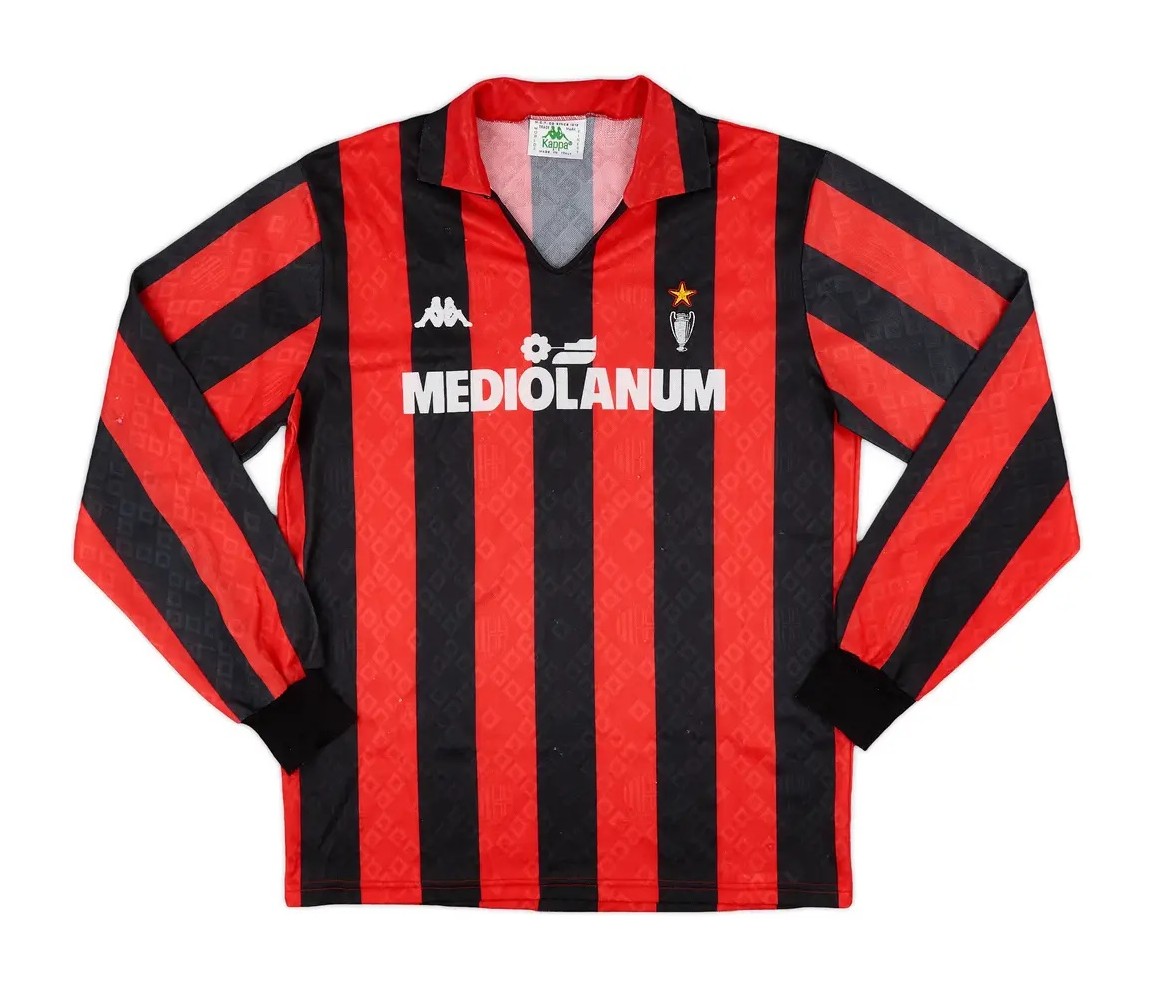
The back-to-back shirt. Milan retain the European Cup with a 1–0 win over Benfica in Vienna. The Kappa design is near-identical to the 1988/89 version, which is part of its appeal: two European Cup wins in effectively the same shirt. Van Basten wins the Ballon d'Or this year, his third.
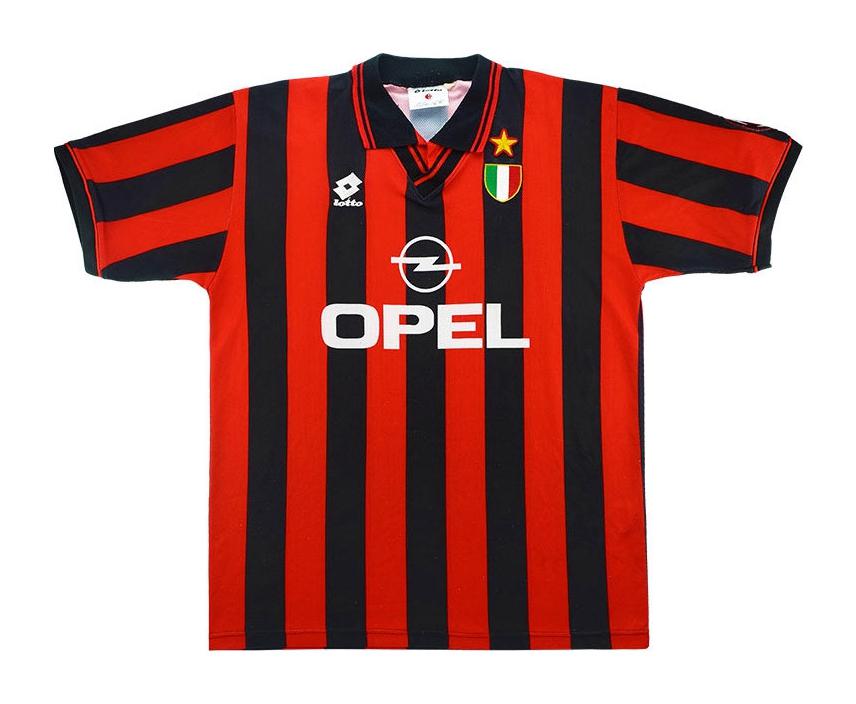
George Weah's second season in the Lotto shirt. The Ballon d'Or winner, Maldini, and Baresi in his final full season. The mid-1990s Lotto home kits are clean and understated in a way that has aged very well. The 1996/97 version is the most collected of the run after the 1993/94.
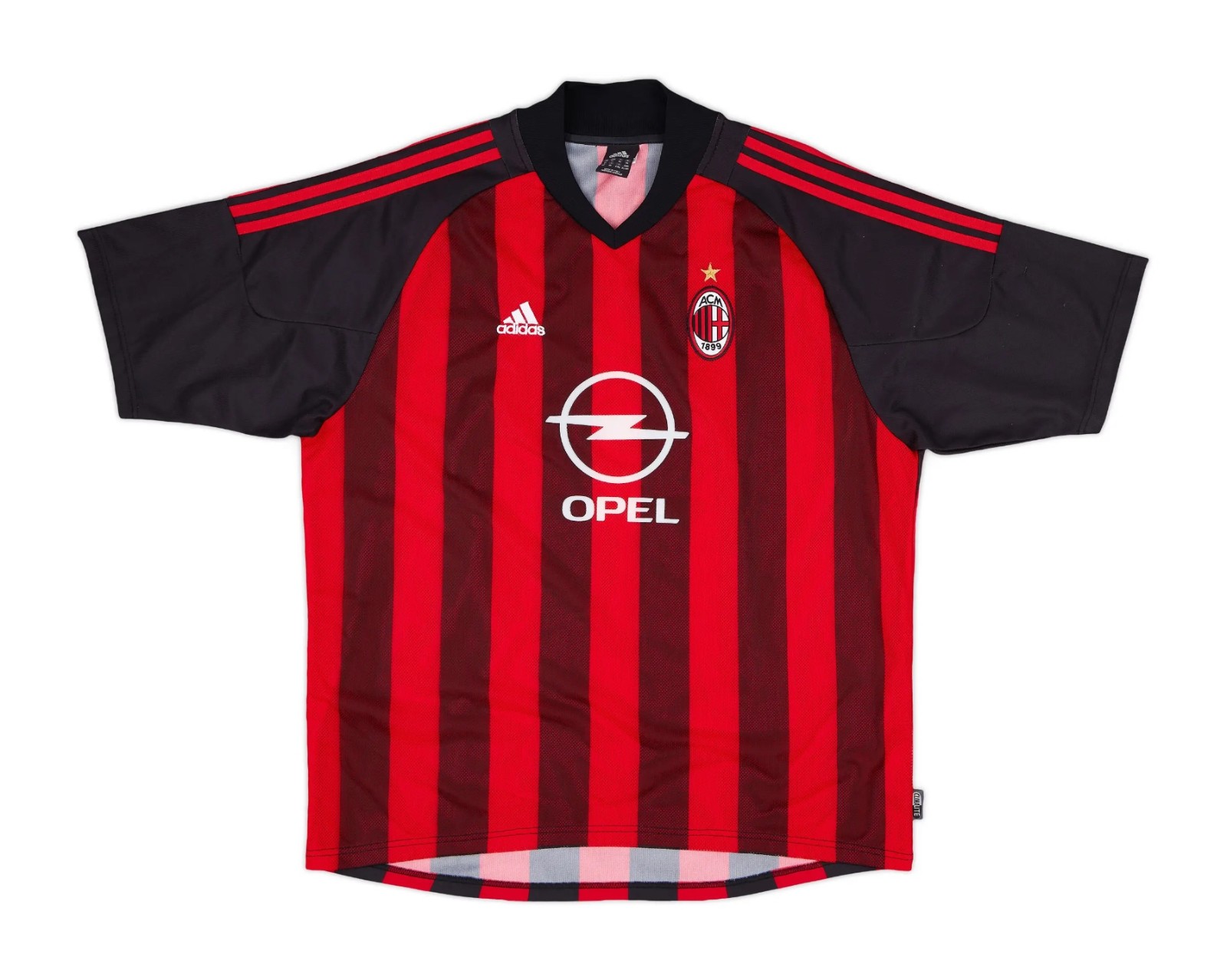
Shevchenko, Pirlo, Kaká in his first full season, Maldini at 34. The sixth European Cup, won on penalties against Juventus in Manchester. The Adidas vertical pinstripe template is at its most effective on the red and black. The most sought-after Italian club shirt of the 2000s.
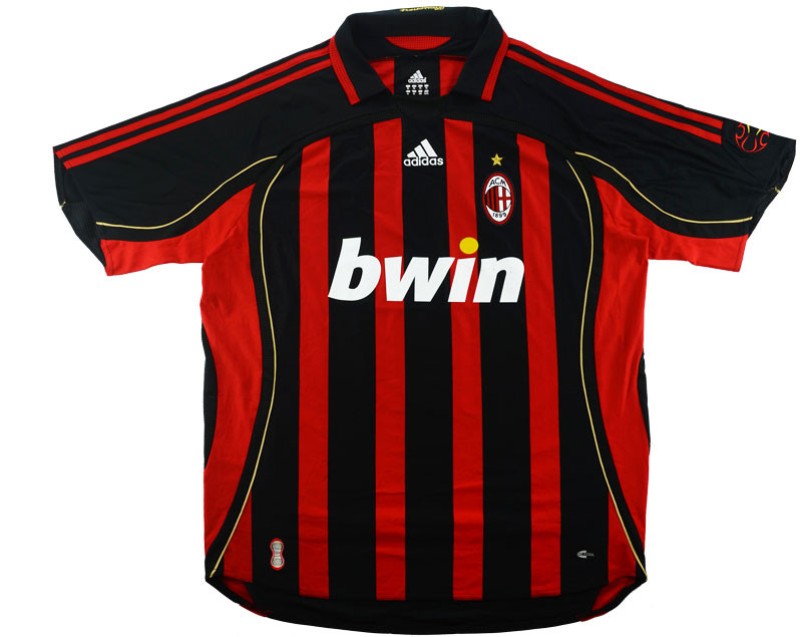
The seventh European Cup. Kaká's tournament. The Athens final, 2–1 against Liverpool. This shirt carries the most recent great European night in the club's history, and Kaká's Ballon d'Or that year makes it one of the defining shirts of the 2000s for any collector of Italian football.
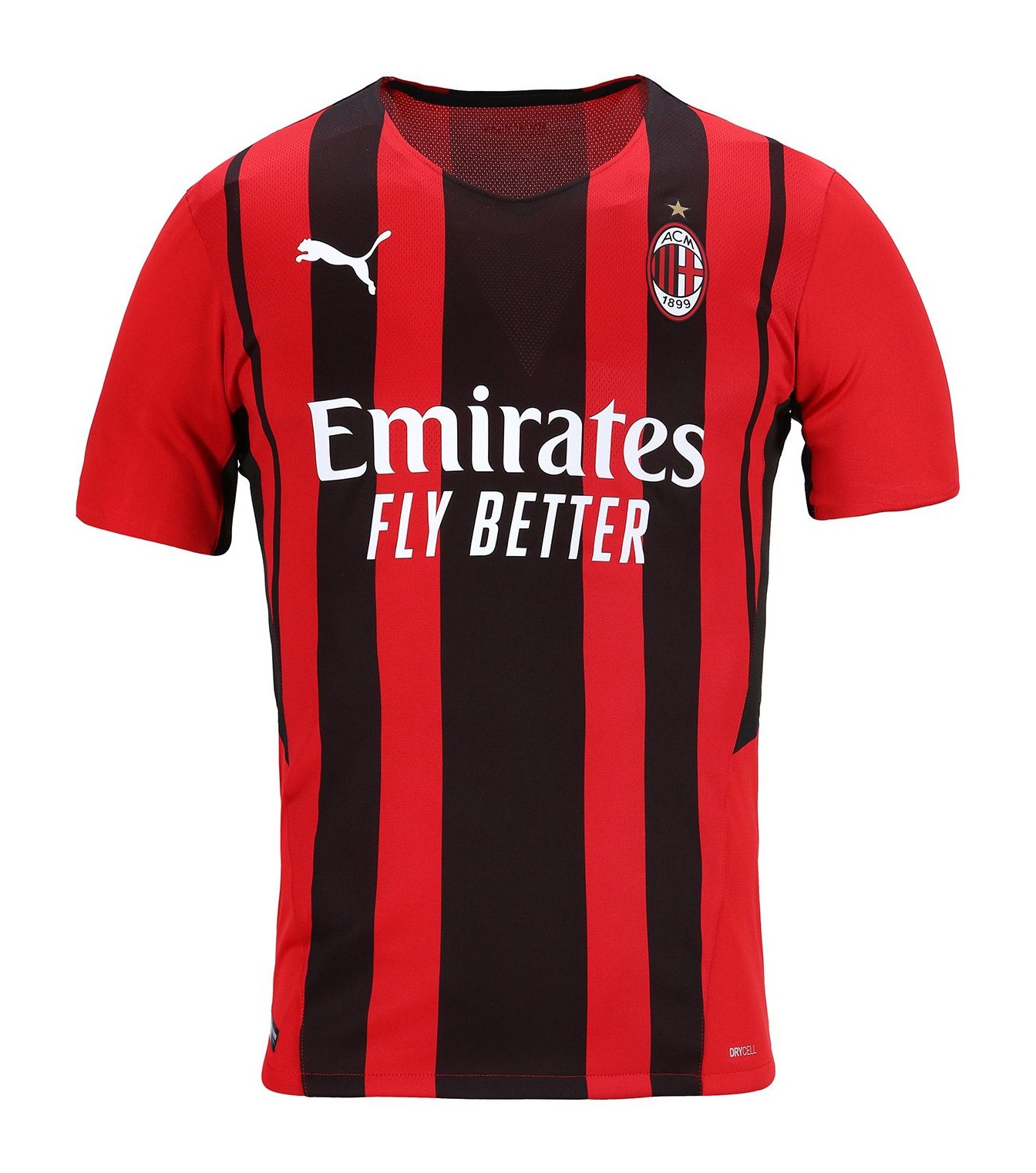
The Scudetto shirt. Eleven years without a league title, ended under Pioli with a squad built around Leão, Tonali, and Maignan. The Puma design is clean and the red and black stripes are well balanced. For collectors building a modern Milan collection, this is the obvious shirt from the Puma era to start with.
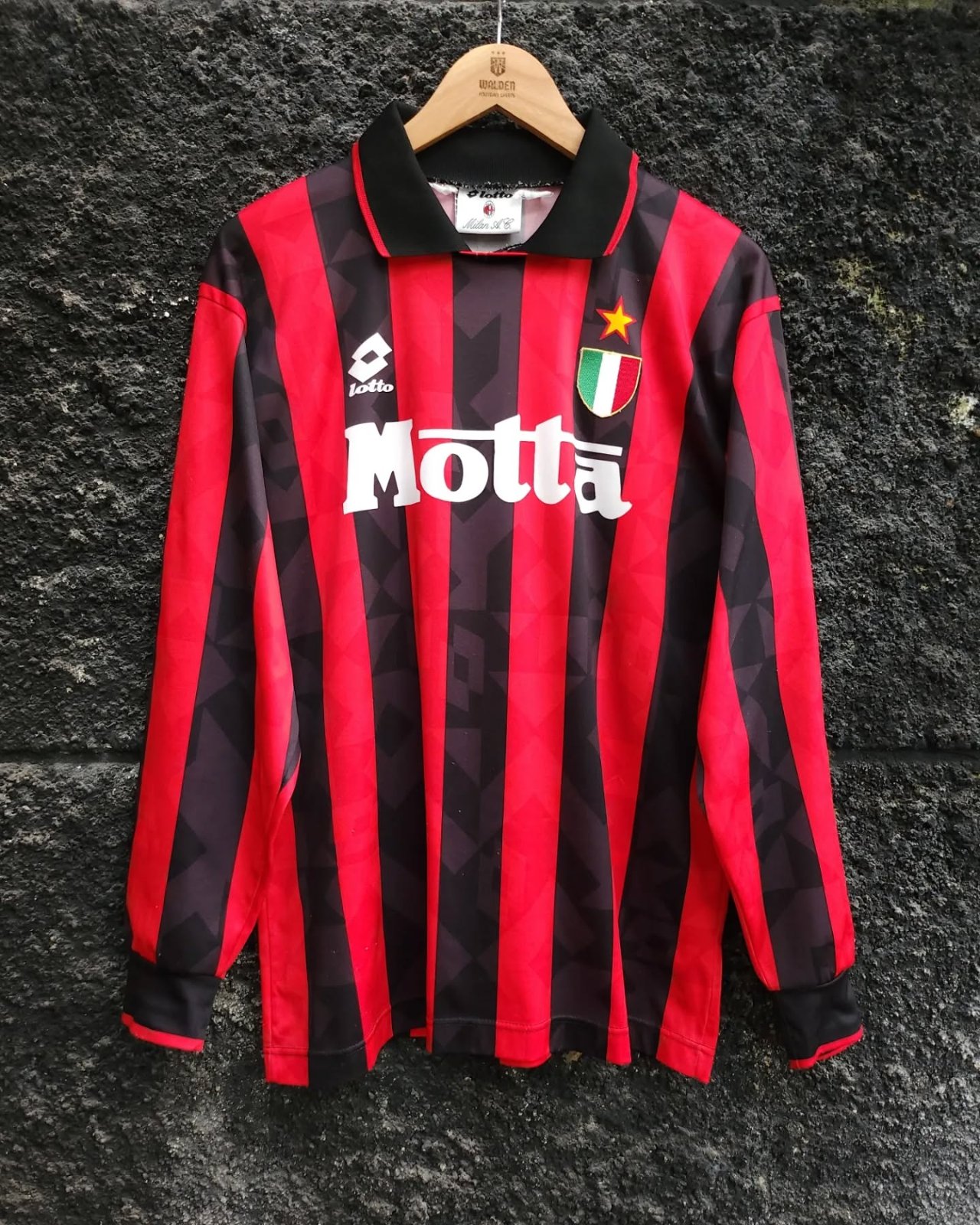
The regular home shirt from the 1993/94 double-winning season. More accessible than the final-specific kit and worn across the full Serie A and European campaign. A strong entry point into the Lotto-Milan archive at a more realistic price point.
Collector notes: what to look for
The Milan archive spans over 50 years and five manufacturer eras. Here is what experienced collectors focus on.
The 1993/94 Lotto final shirt: the benchmark
The Champions League final-specific Lotto shirt from 1993/94 is among the most historically loaded kits in the archive. How it ranks against the 1988/89 or 2006/07 shirts depends on what you collect for, but for the Lotto era specifically it is the obvious target. Original examples are hard to find and priced accordingly. Player-issue versions from the final surface occasionally through specialist auctions. Market prices fluctuate, so check recent sales rather than treating any figure as fixed.
Kappa shirts: the undervalued era
The 1988-89 and 1989-90 Kappa home shirts sit below their historical significance in the collector market. Two consecutive European Cup wins in the same design, yet the shirts trade well below equivalent Lotto or Adidas CL product. Part of this is rarity: fewer survive in good condition. But for collectors who prioritise match history, both shirts represent genuine value relative to what happened in them.
2002/03 and 2006/07 Adidas: the accessible peak
Both Champions League-winning Adidas shirts are findable in good condition. At the time of writing, the 2002/03 home shirt tends to trade higher than the 2006/07 version, but market prices shift and it is worth checking recent sales. Match-worn examples from either final carry a significant premium. The 2006/07 shirt with a Kaká print is a popular configuration for collectors who want the era represented.
Sizing across eras
1990s Milan kits run slim by modern standards. The Kappa and Lotto shirts in particular use the Italian cut of the era: narrower across the shoulders, shorter in the body than modern equivalents. Size up at least one size when buying Kappa or Lotto originals without trying. The Adidas product from the late 1990s onward fits closer to contemporary sizing. Puma kits follow modern slim-fit templates.
Featured articles
2026/27
LiveHome
Away
2025/26
FinishedAug 2025 – May 2026
Home
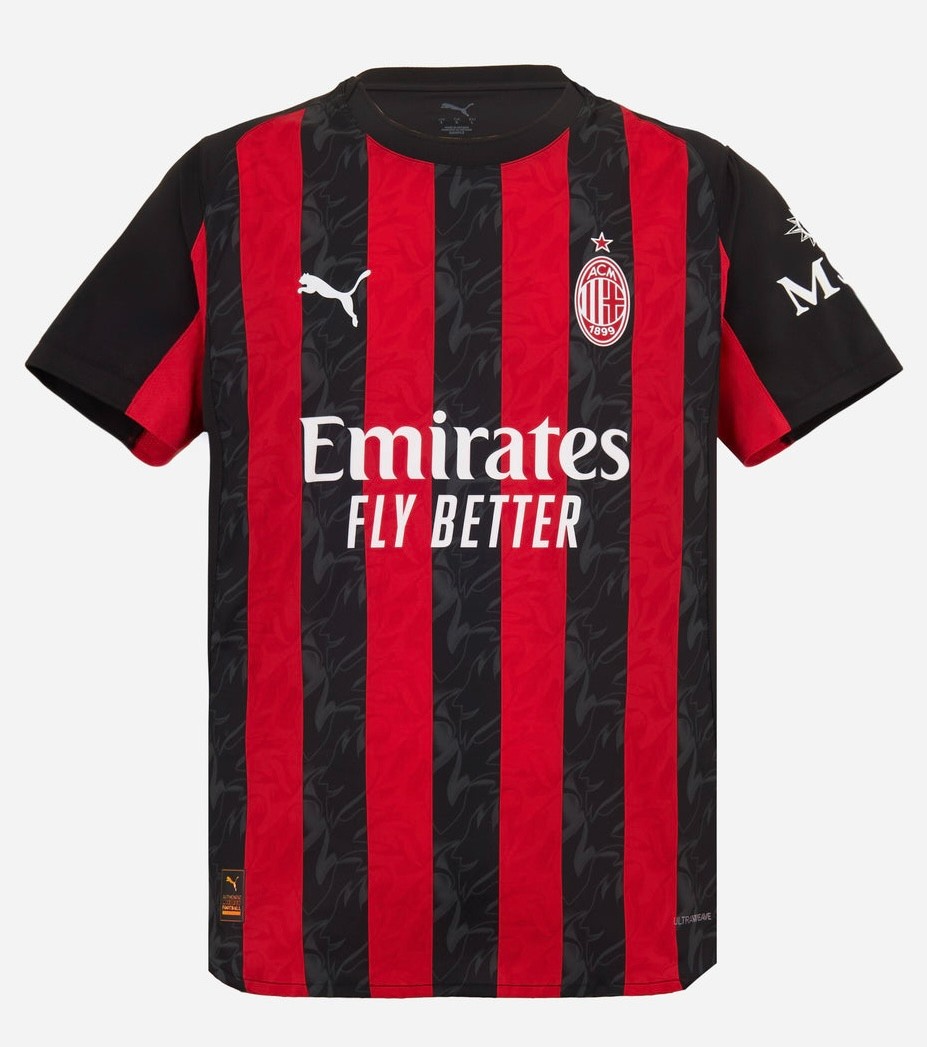
Away
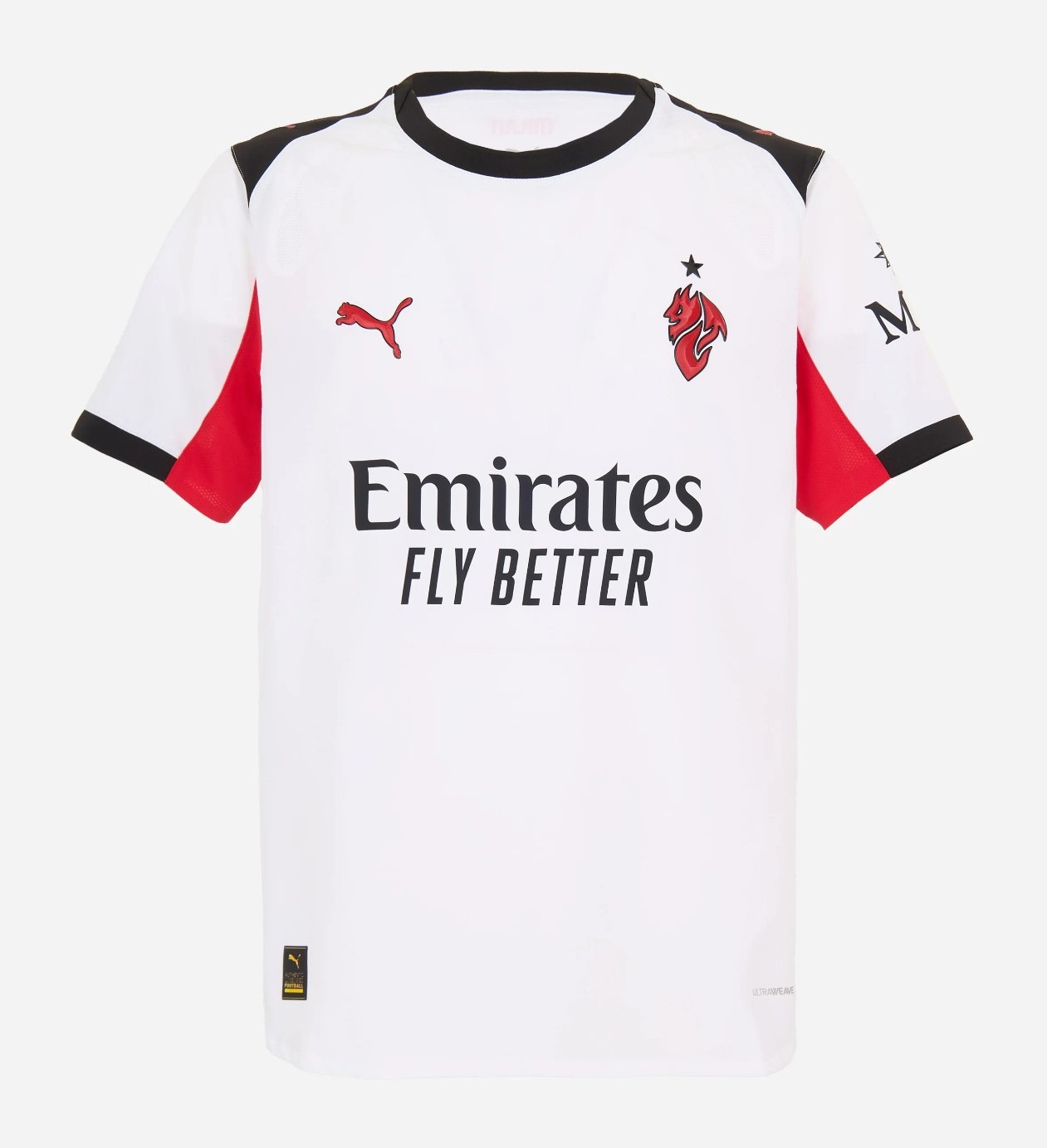
place
2024/25
FinishedJul 2024 – May 2025
Home
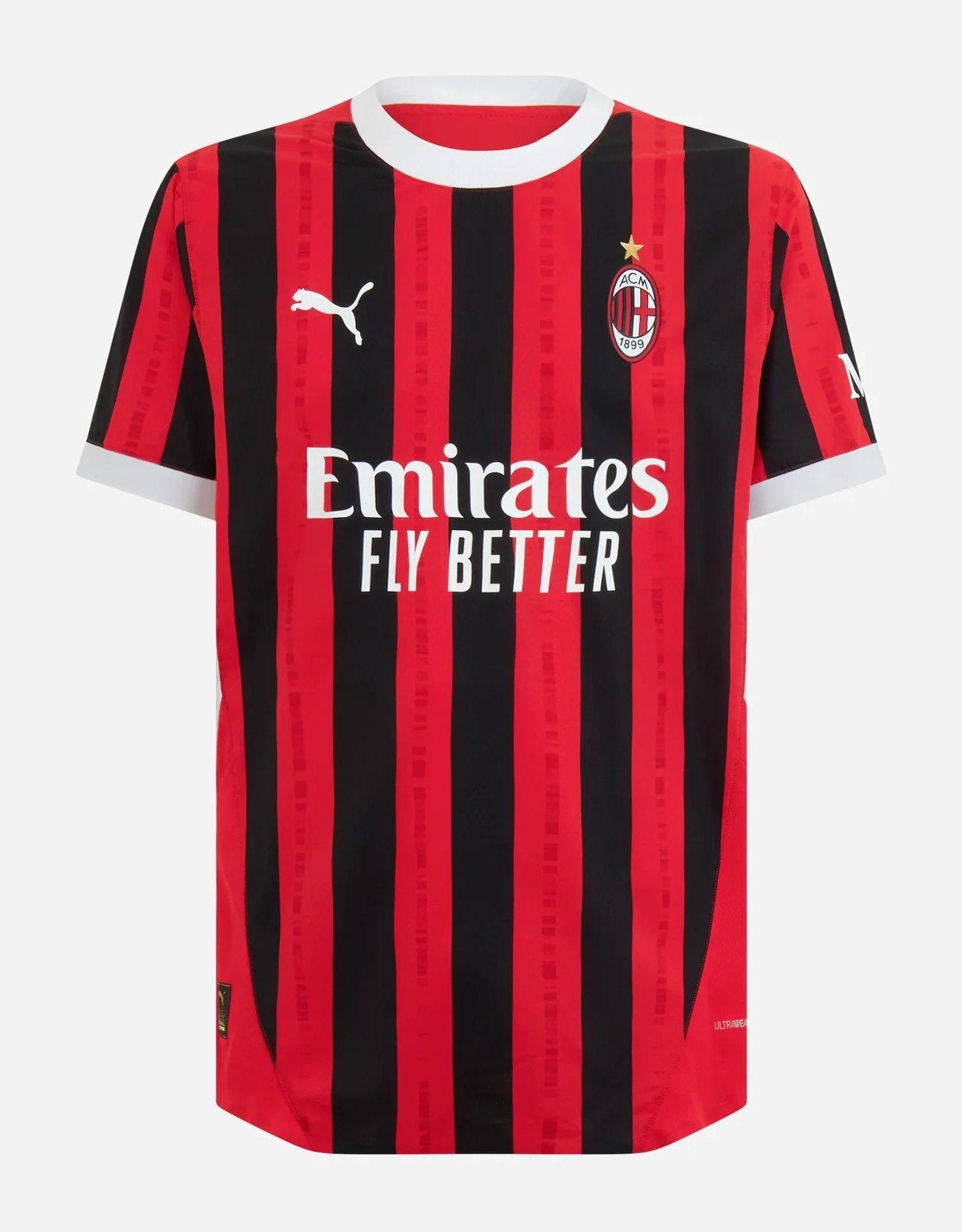
Away
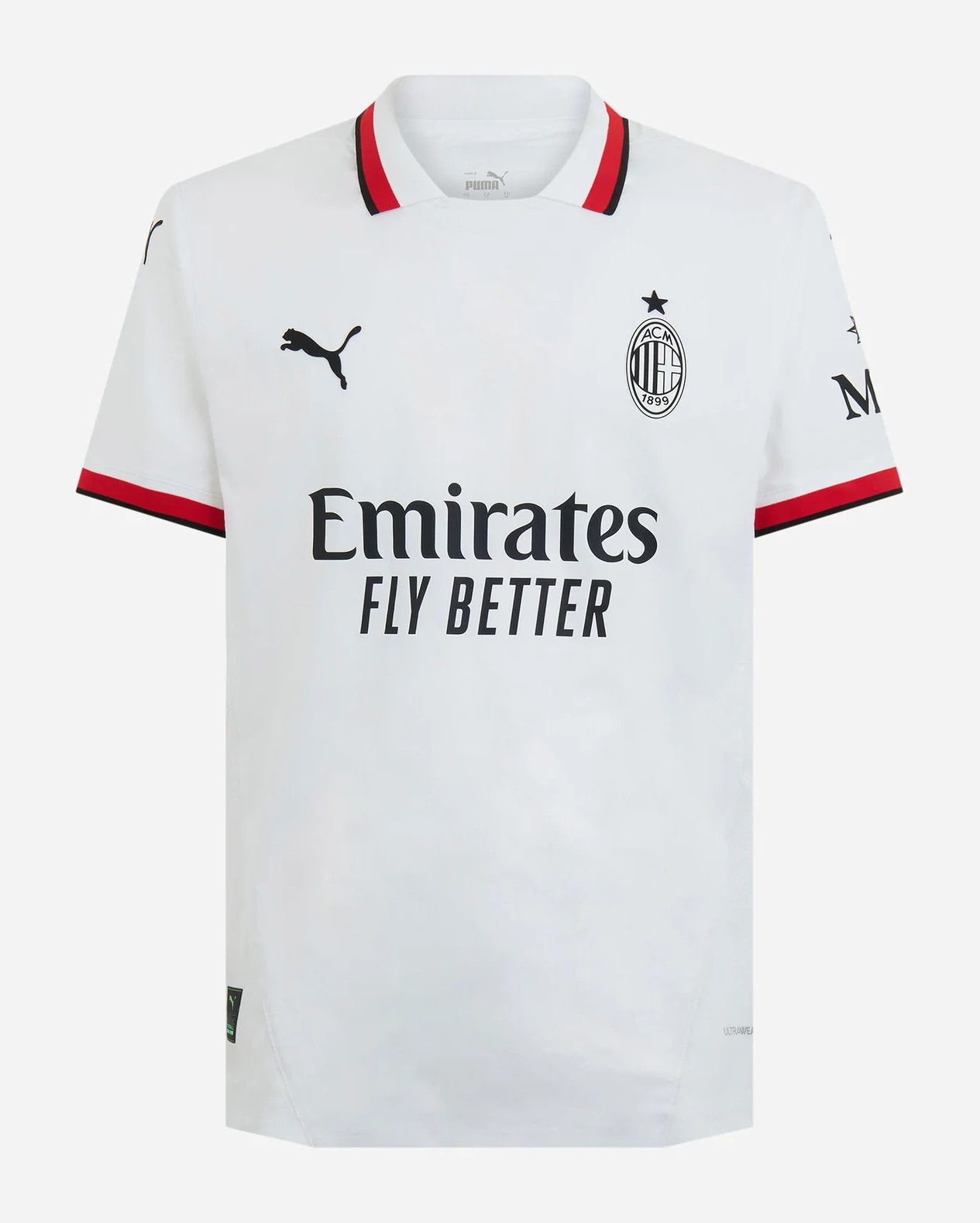
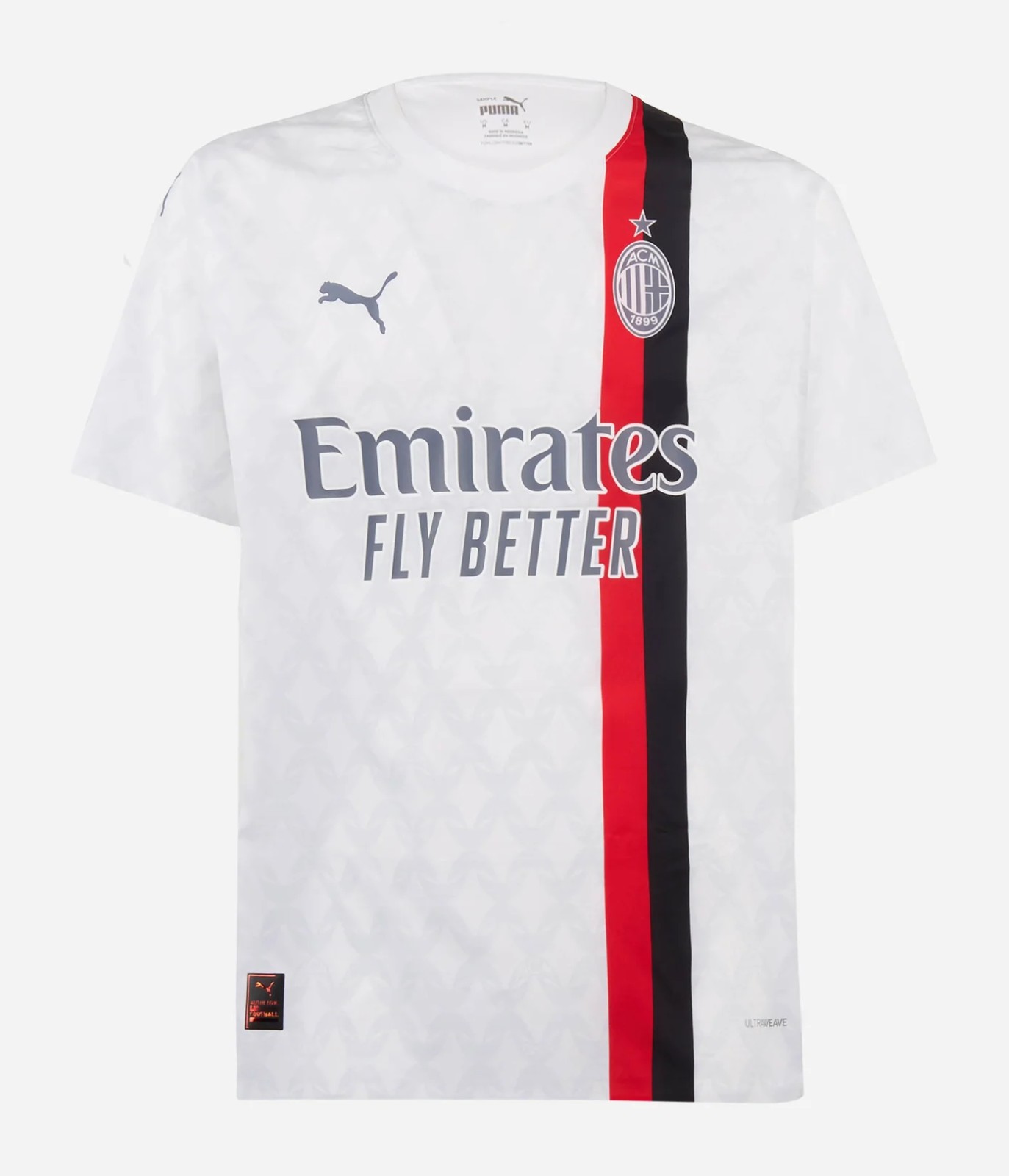
2023/24
FinishedJul 2023 – May 2024
Home
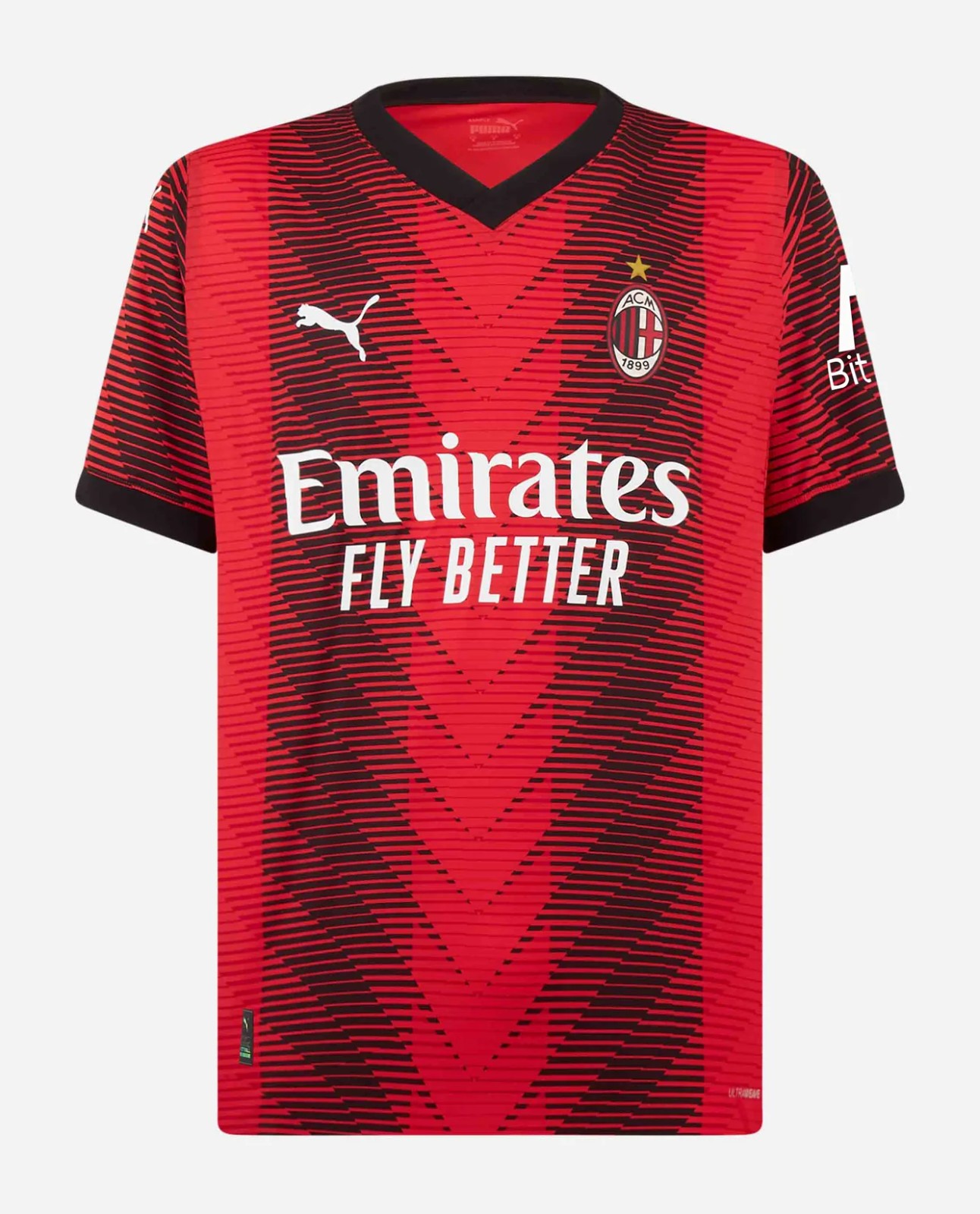
Away
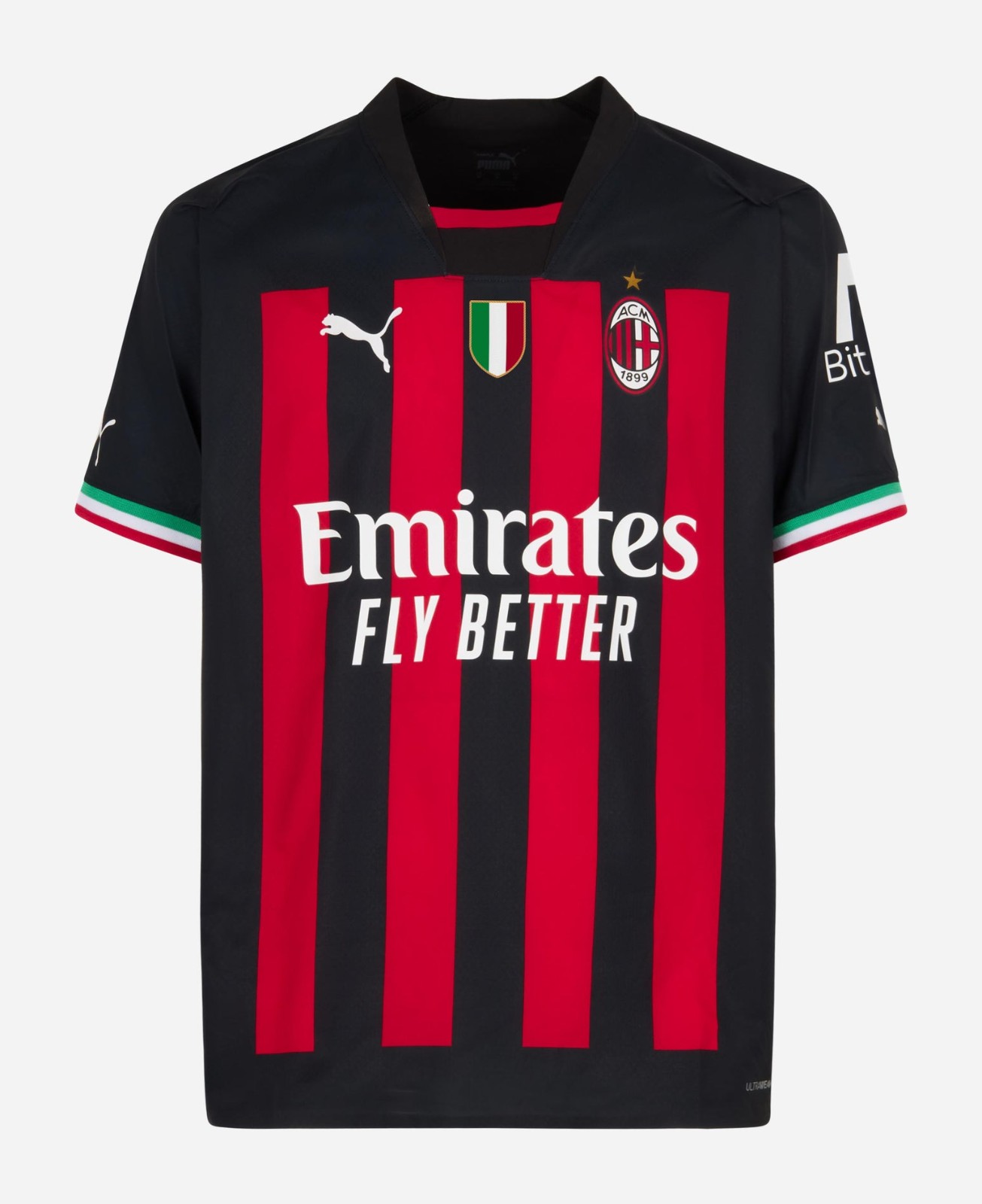
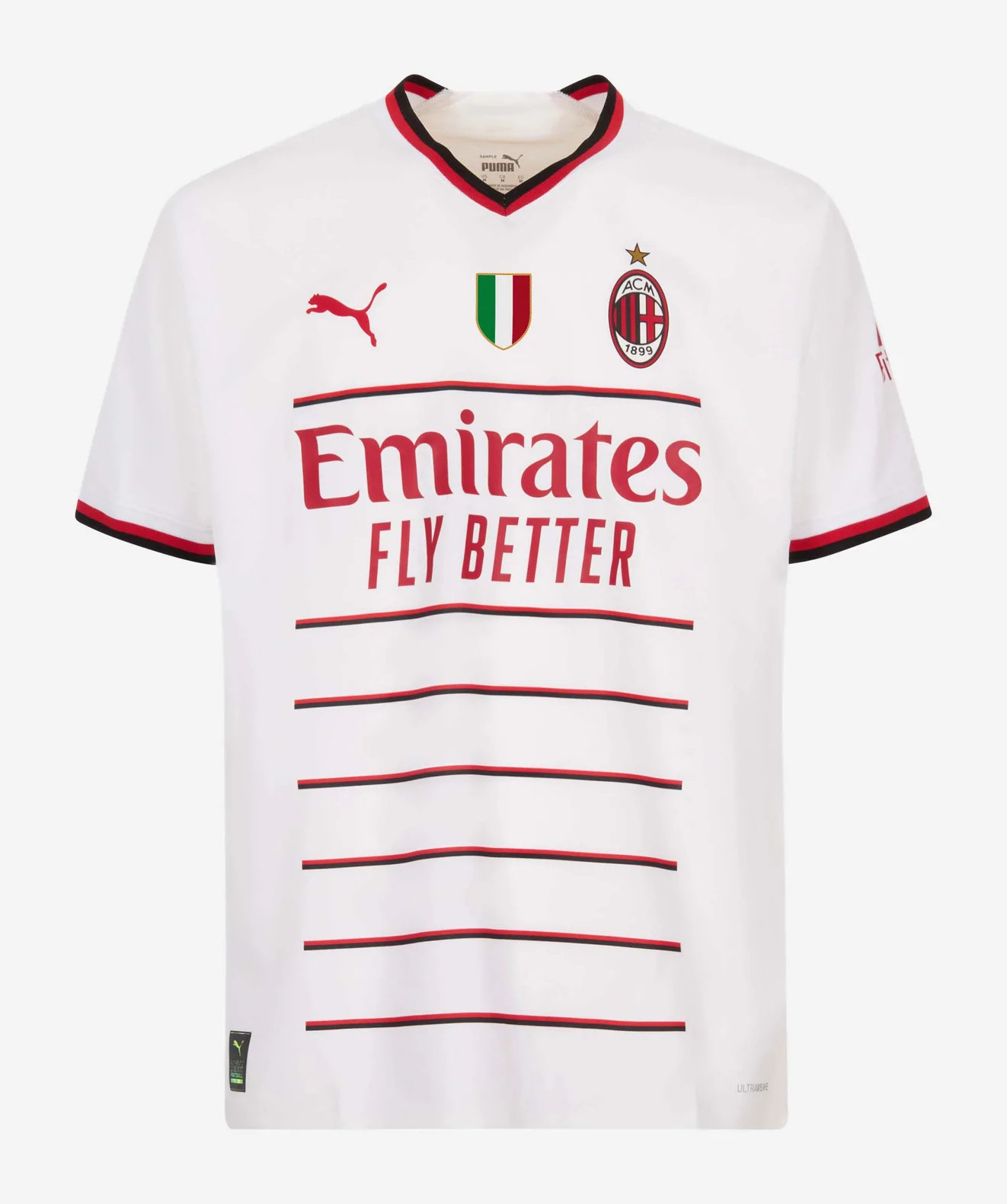
2022/23
FinishedJul 2022 – Jun 2023
Home
Away
2021/22
FinishedJul 2021 – May 2022
Home
Away
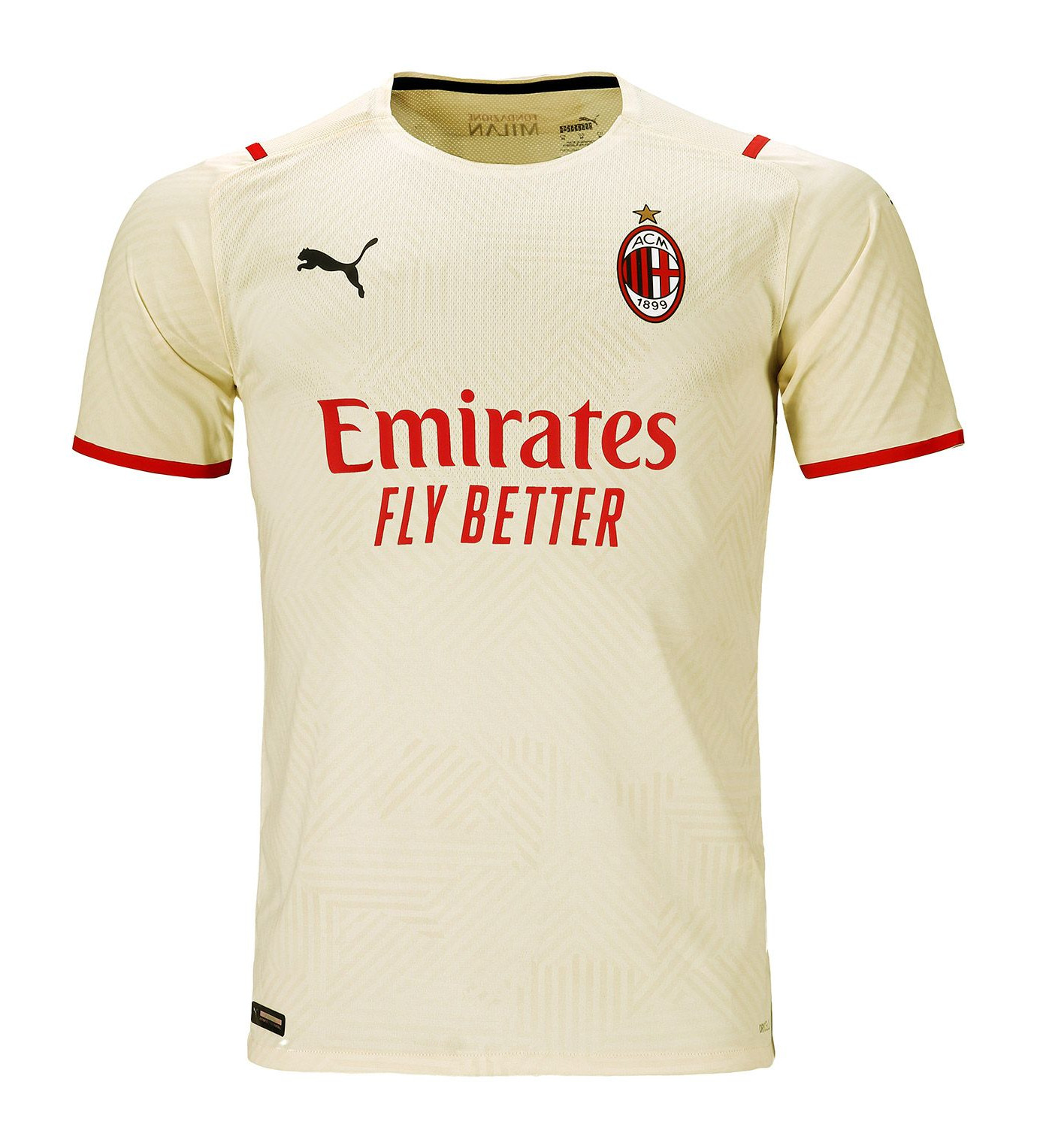
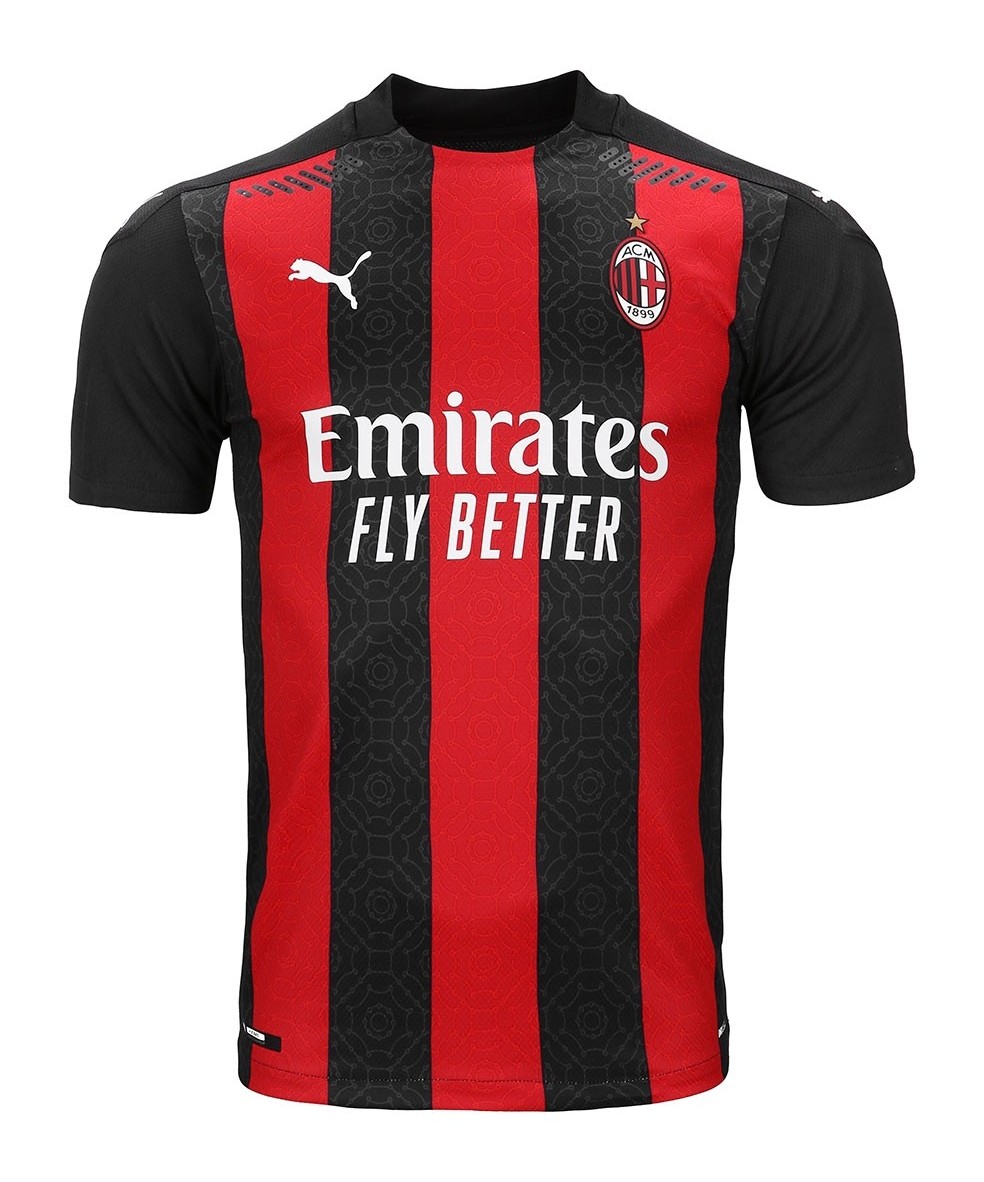
2020/21
FinishedAug 2020 – May 2021
Home
Away
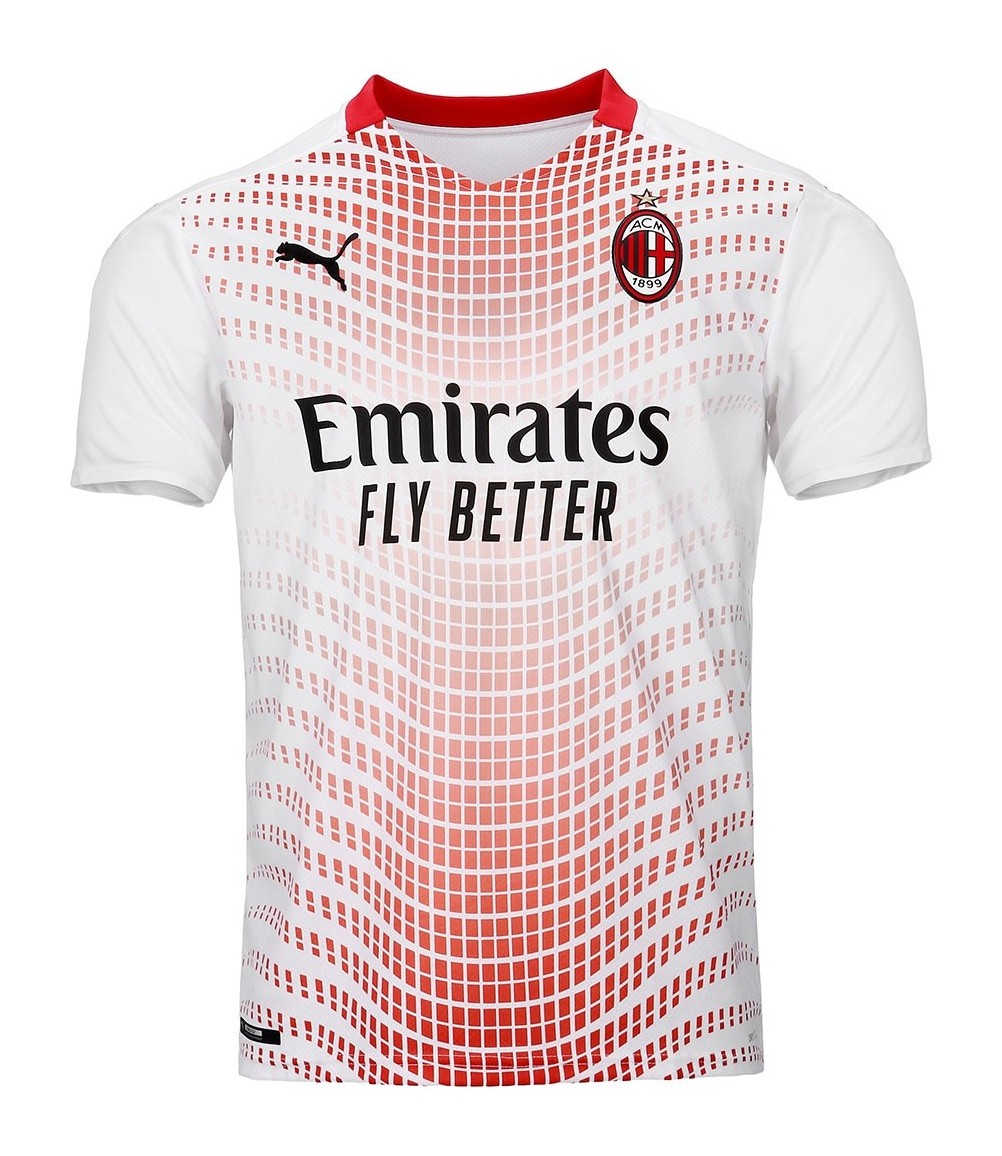
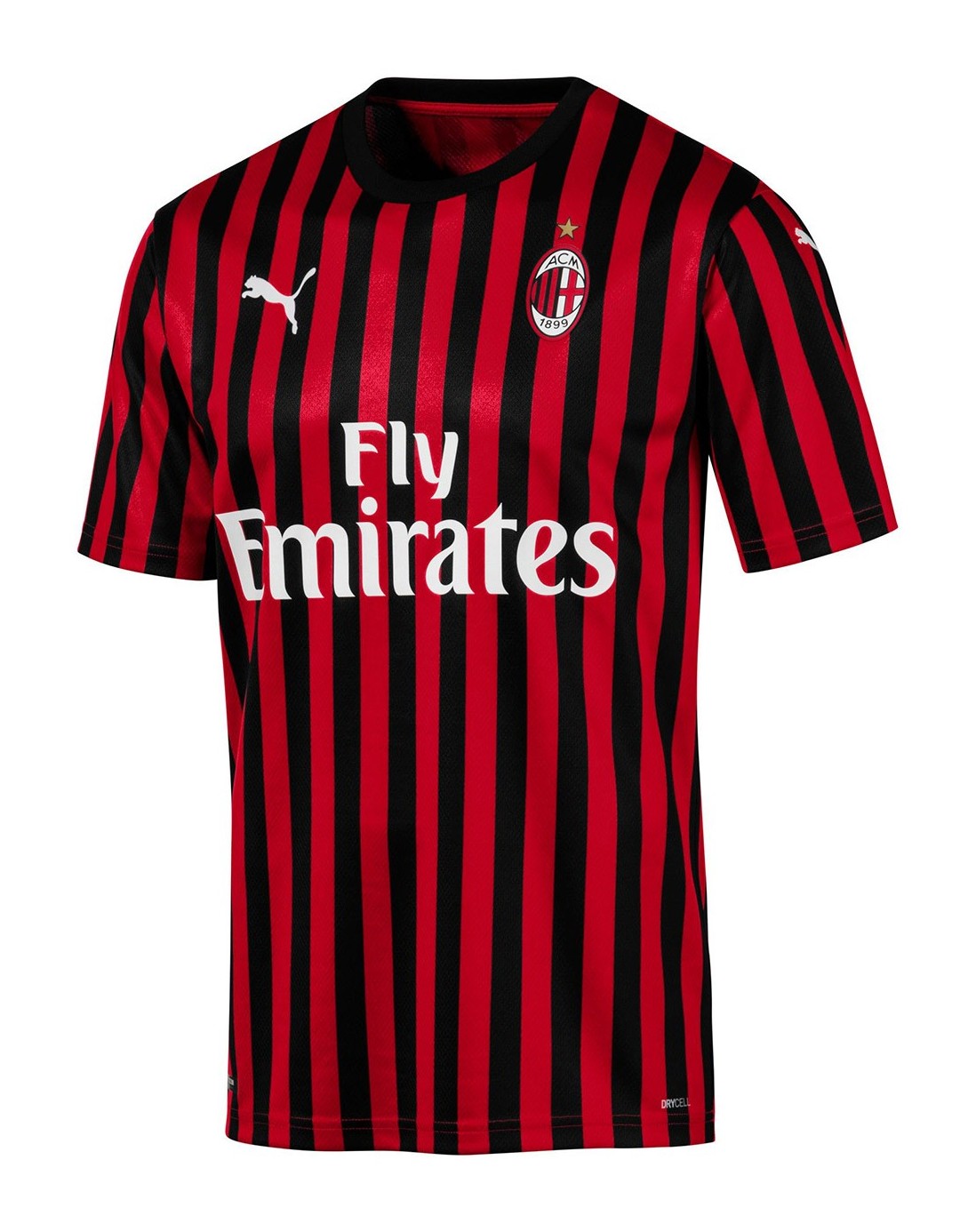
2019/20
FinishedJul 2019 – Jul 2020
Home
Away
2018/19
FinishedJul 2018 – May 2019
Home
Away
2017/18
FinishedJul 2017 – May 2018
Home
Away
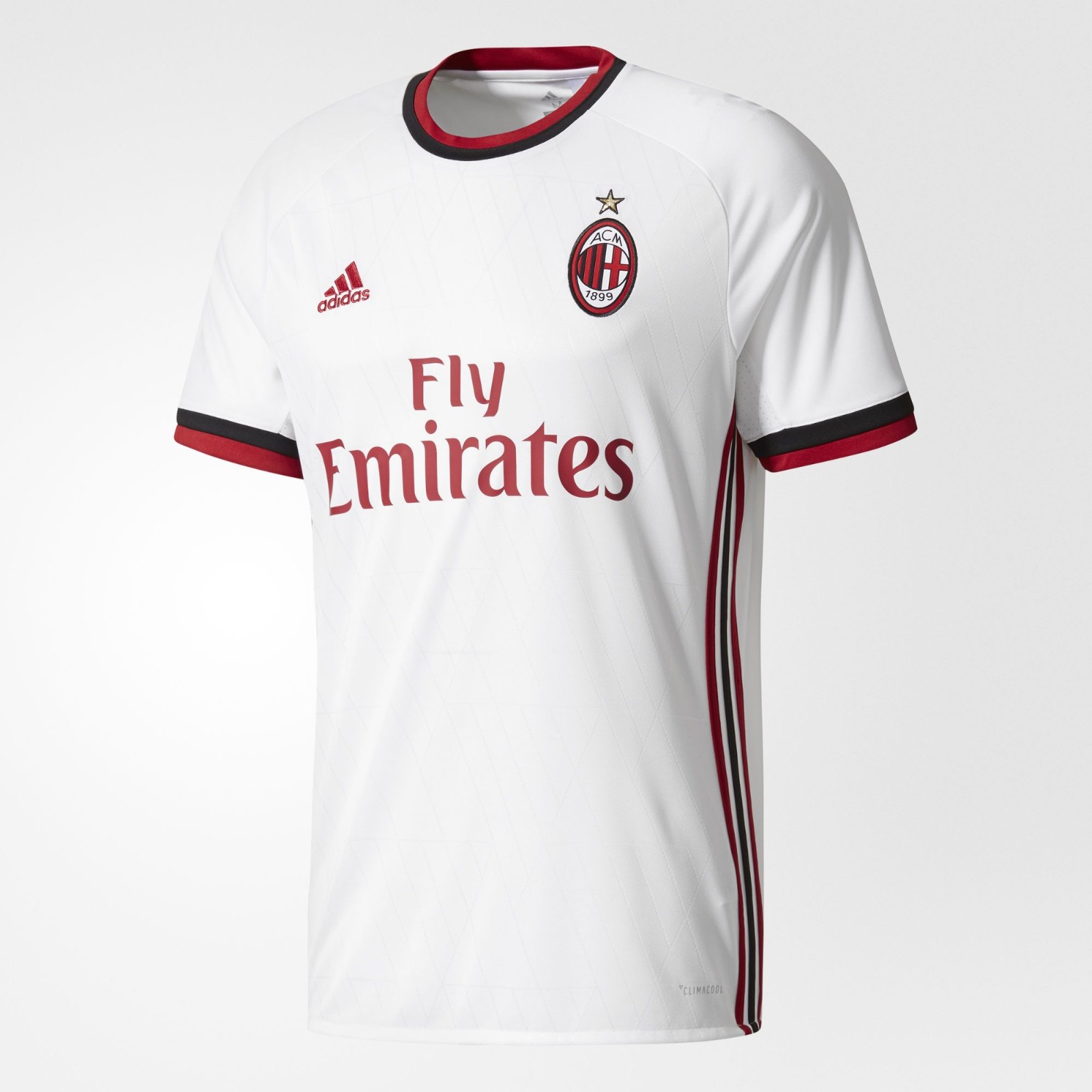
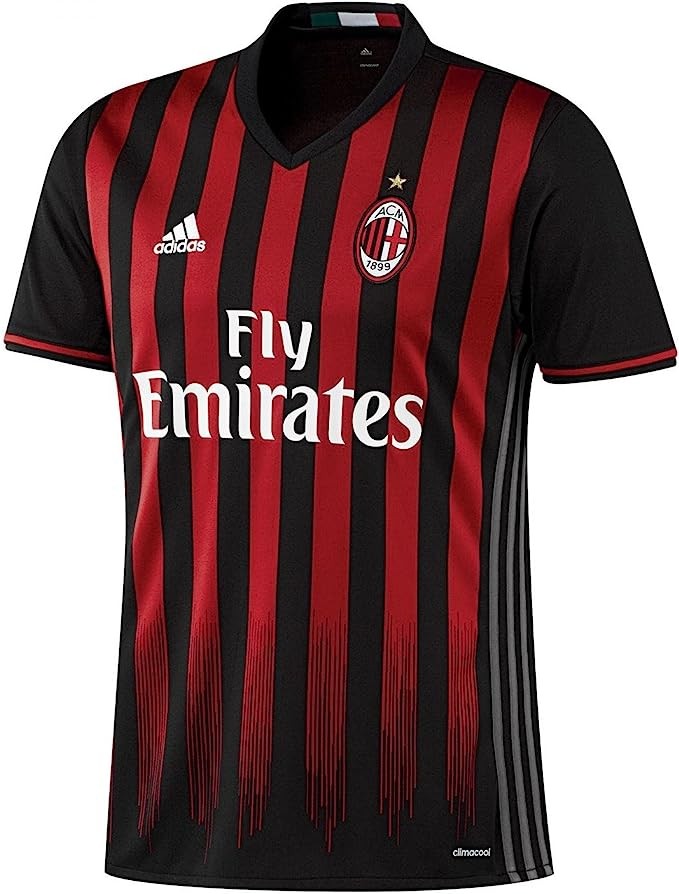
2016/17
FinishedJul 2016 – May 2017
Home
Away
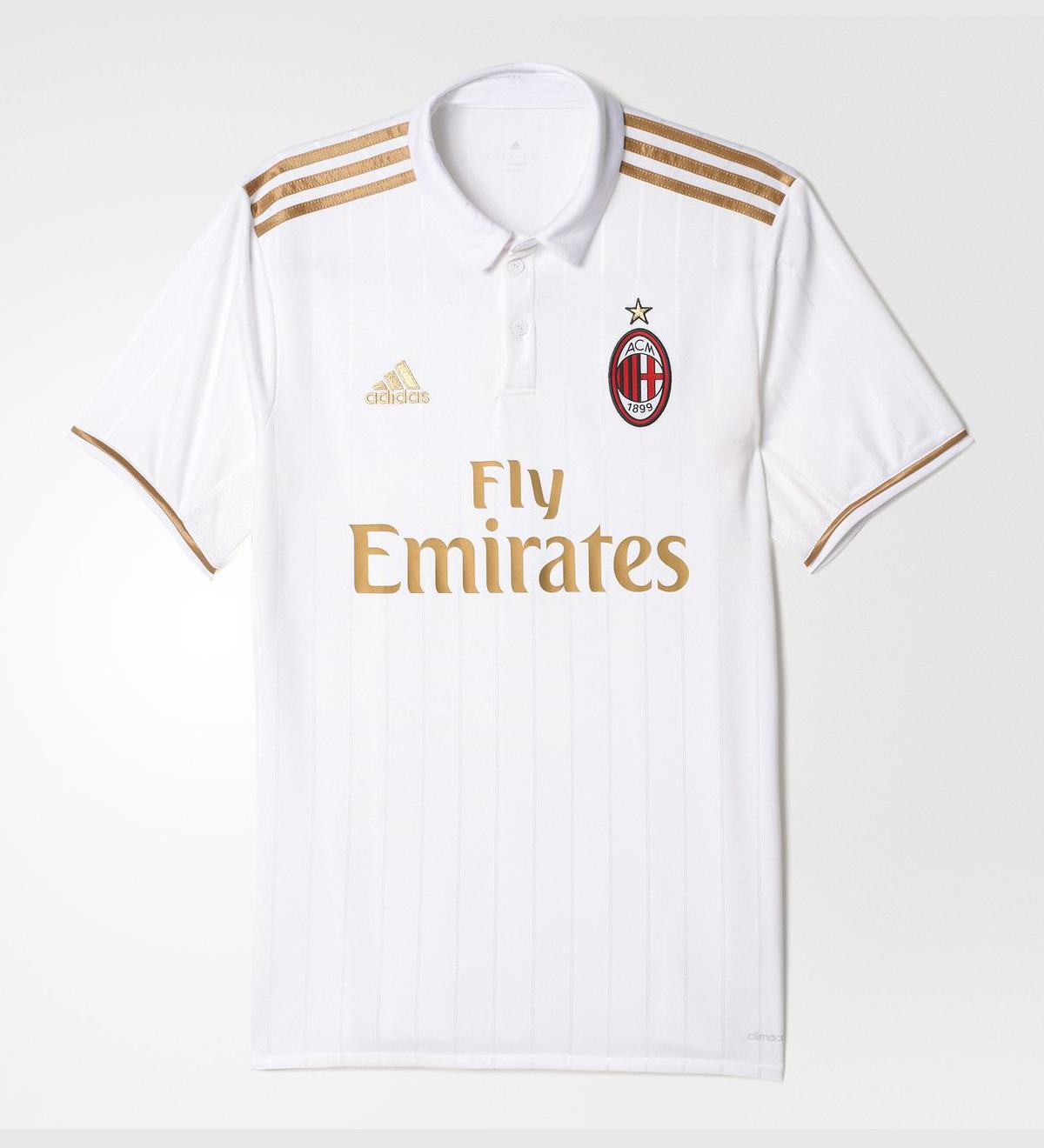
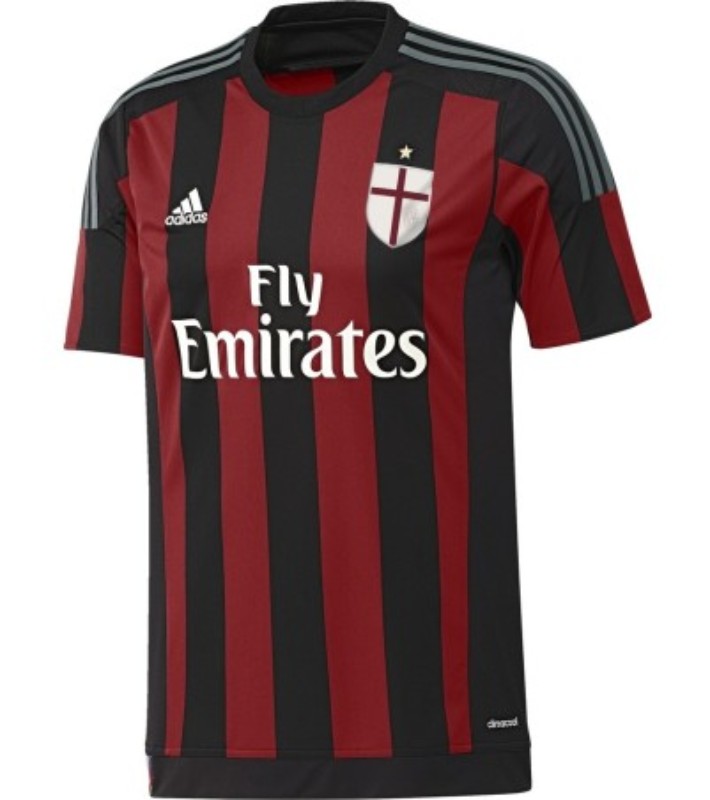
2015/16
FinishedJul 2015 – May 2016
Home
Away
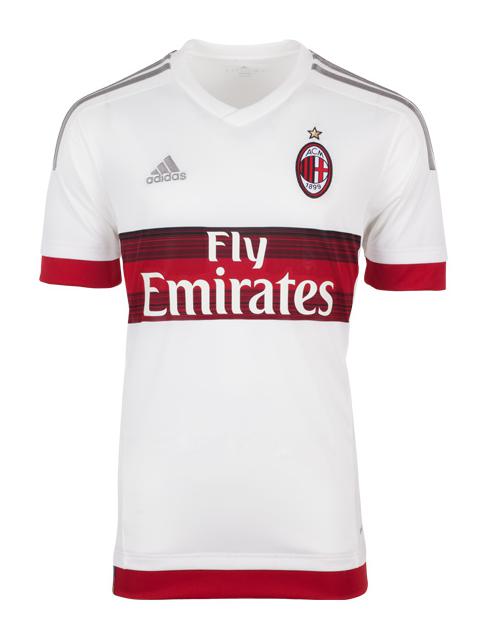
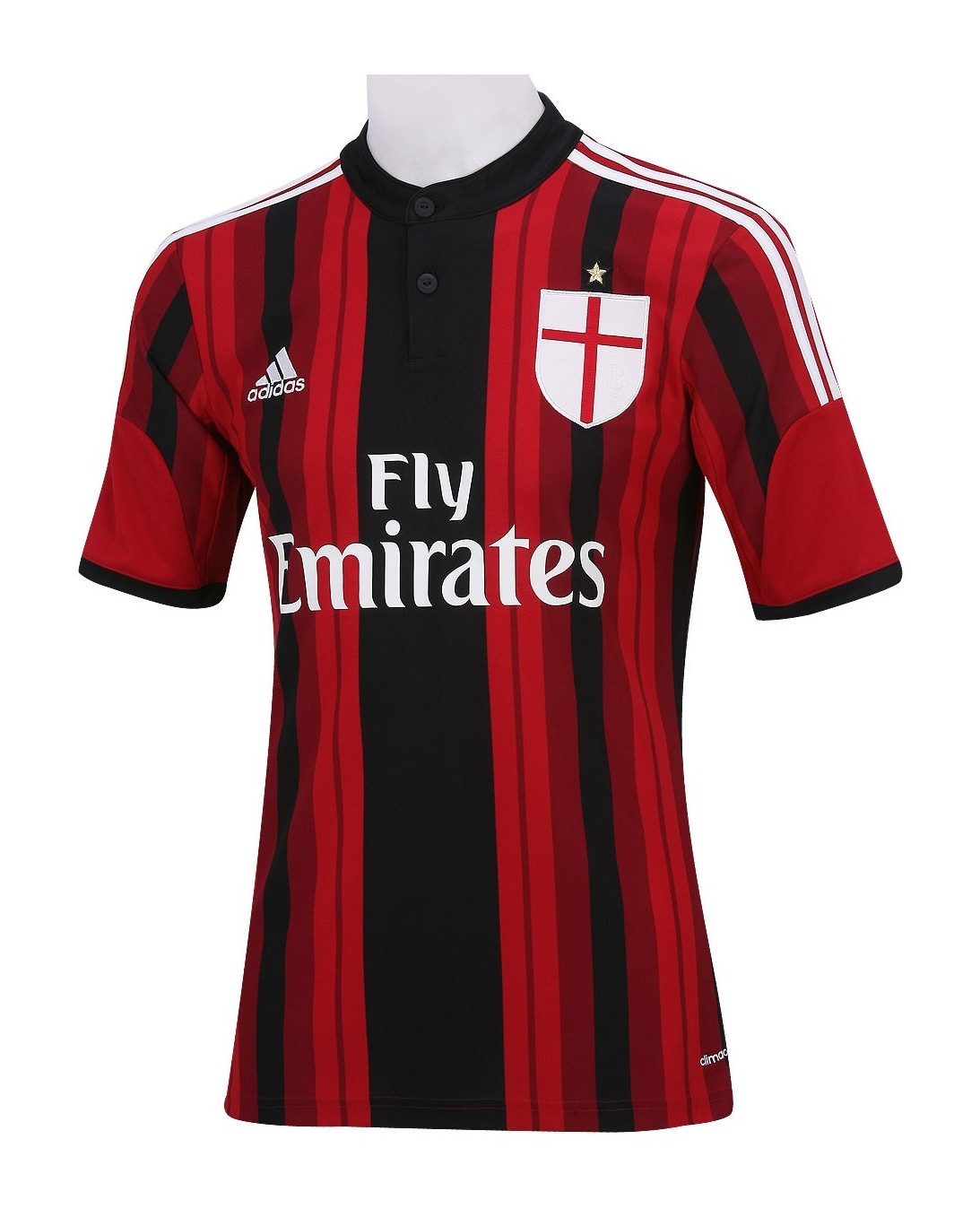
2014/15
FinishedJul 2014 – May 2015
Home
Away
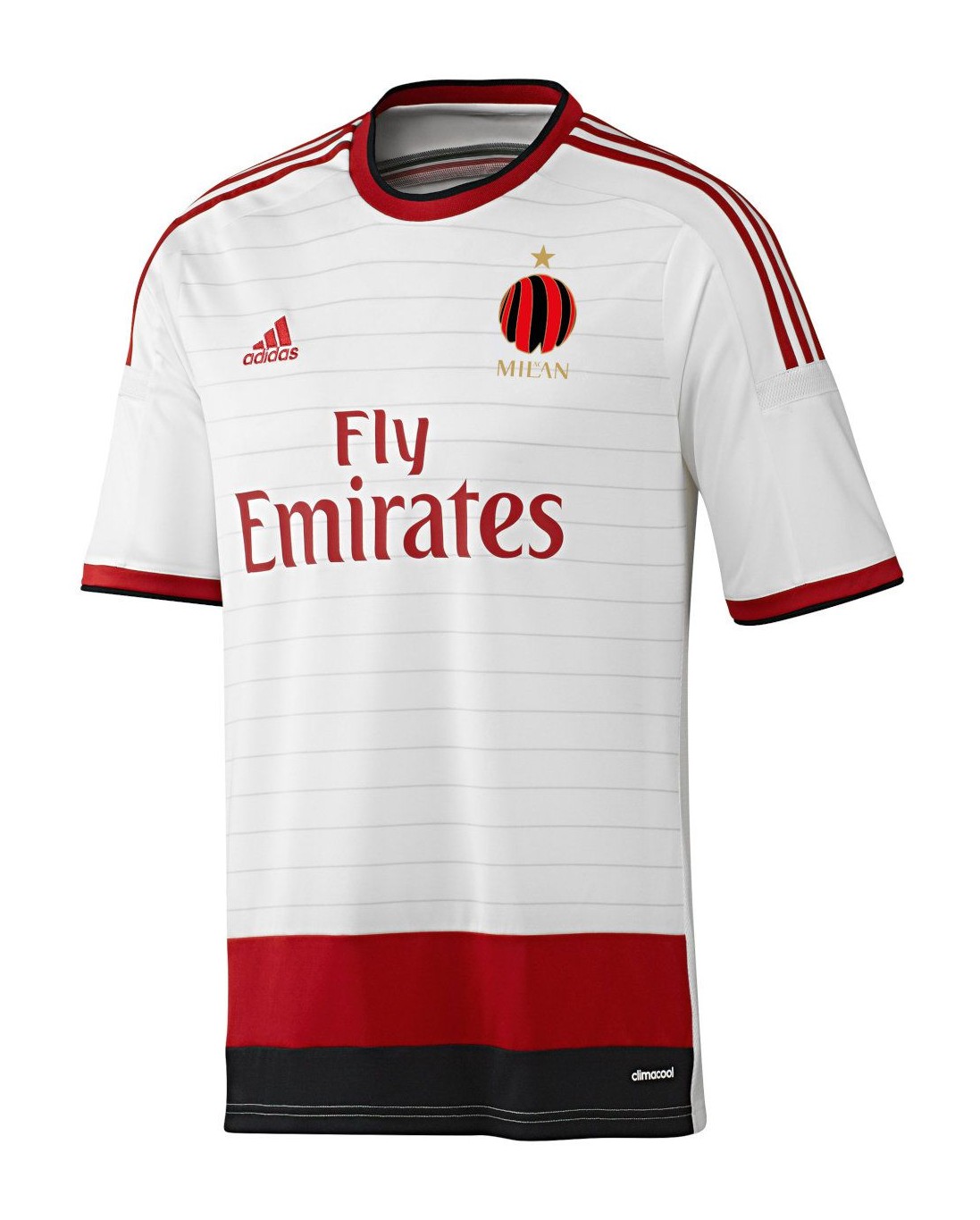
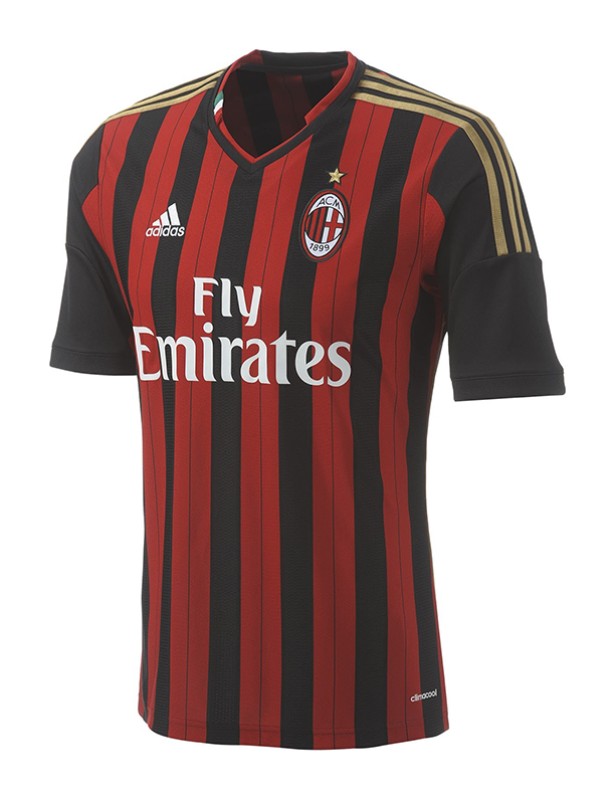
2013/14
FinishedJul 2013 – May 2014
Home
Away
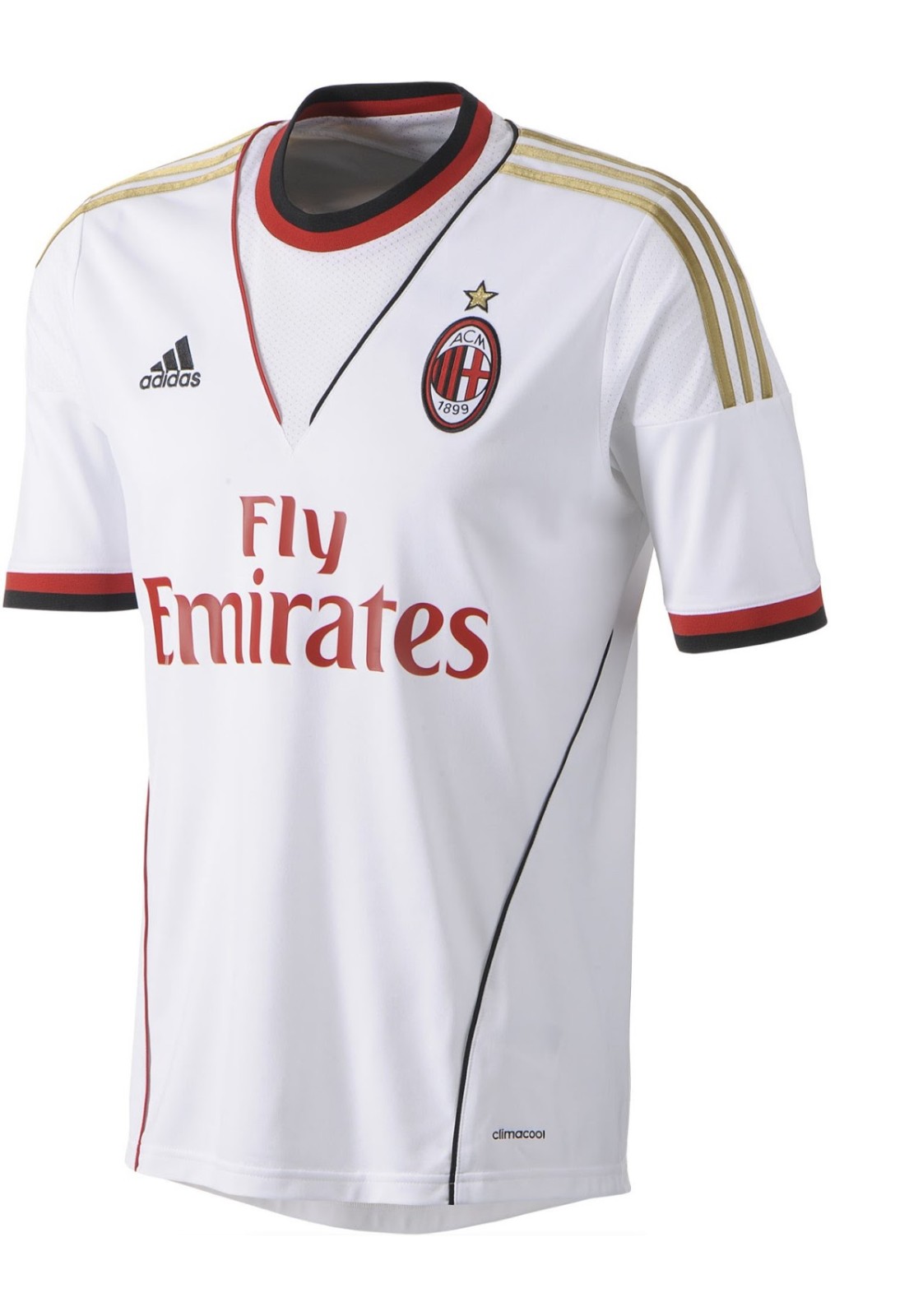
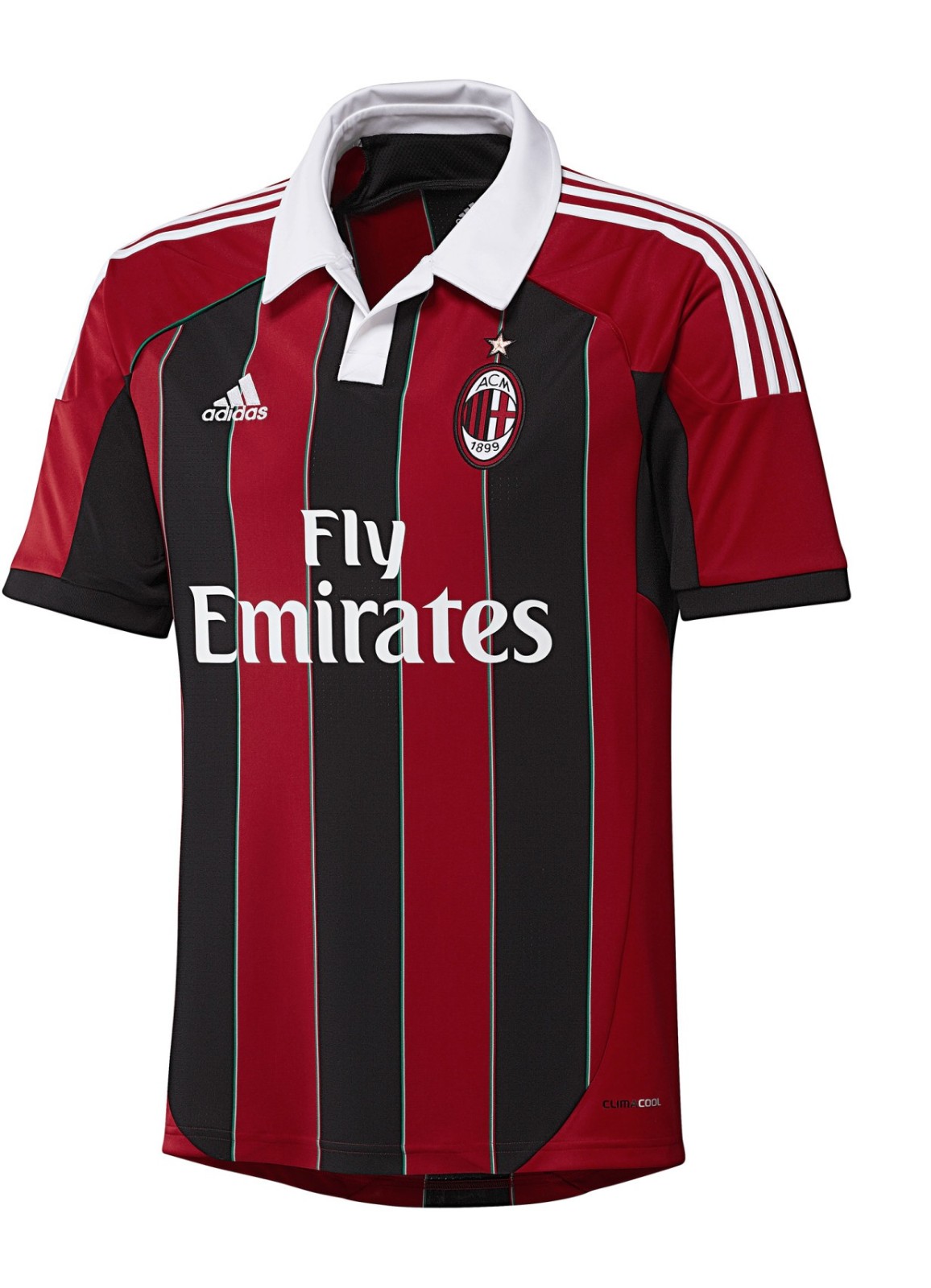
2012/13
FinishedJul 2012 – May 2013
Home
Away
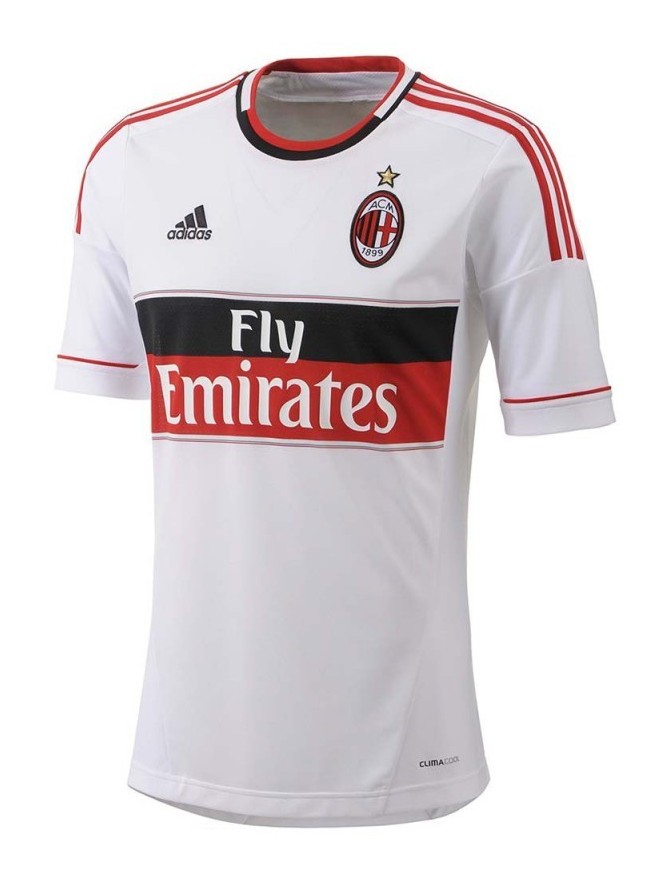
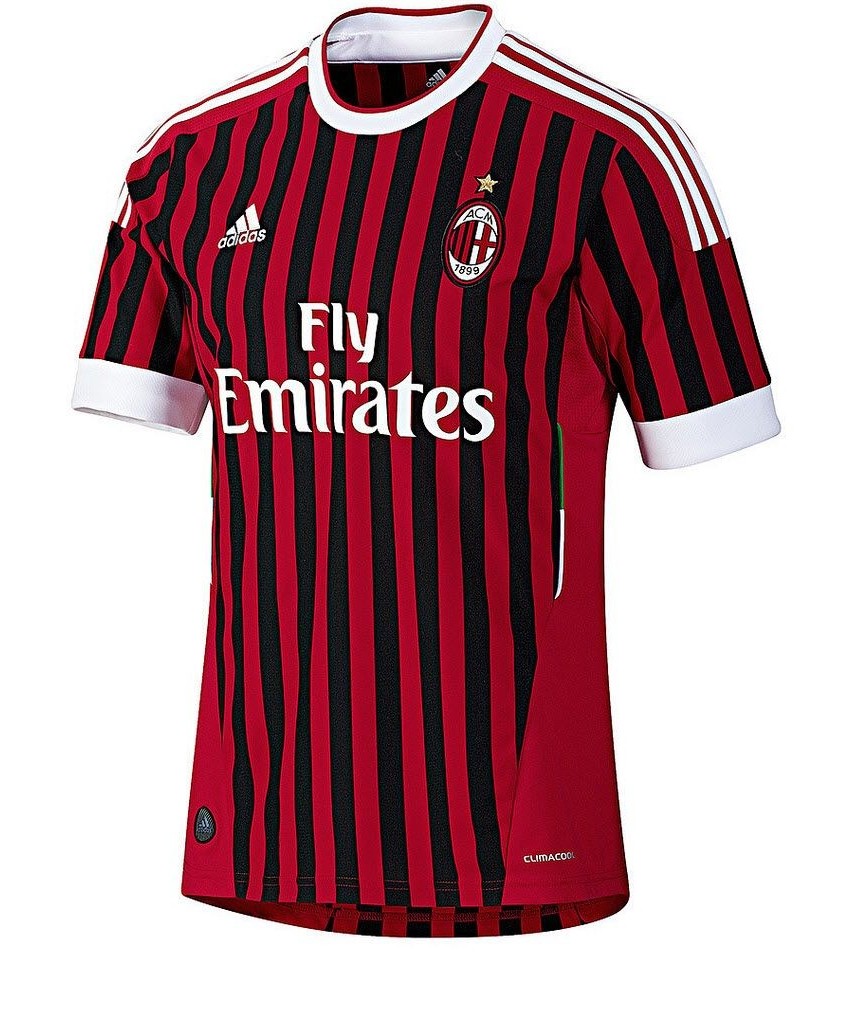
2011/12
FinishedJul 2011 – May 2012
Home
Away
2010/11
FinishedJul 2010 – May 2011
Home
Away
Champions
2009/10
FinishedHome
Away
place
2008/09
FinishedHome
Away
place
2007/08
FinishedHome
Away
place
2006/07
FinishedHome
Away
place
2005/06
FinishedHome
Away
place
2004/05
FinishedHome
Away
place
2003/04
FinishedHome
Away
Champions
2002/03
FinishedHome
Away
place
2001/02
FinishedHome
Away
place
2000/01
FinishedHome
Away
place
1999/00
FinishedHome
Away
place
1998/99
FinishedHome
Away
Champions
1997/98
FinishedHome
Away
place
1996/97
FinishedHome
Away
place
1995/96
FinishedHome
Away
Champions
1993/94
FinishedHome
Away
Champions
1992/93
FinishedHome
Away
Champions
1991/92
FinishedHome
Away
Champions
1990/91
FinishedHome
Away
place
1989/90
FinishedHome
Away
place
1988/89
FinishedHome
Away
place
1987/88
FinishedHome
Away
Champions
1986/87
FinishedHome
Away
place
1985/86
FinishedHome
Away
place
1984/85
FinishedHome
Away
place
1983/84
FinishedHome
Away
place
1981/82
FinishedHome
Away
place
1979/80
FinishedHome
Away
place
1978/79
FinishedHome
Away
Champions
1977/78
FinishedHome
Away
place
1976/77
FinishedHome
Away
place
1975/76
FinishedHome
Away
place
1974/75
FinishedHome
Away
place
1973/74
FinishedHome
Away
place
1972/73
FinishedHome
Away
place
1971/72
FinishedHome
Away
place
1970/71
FinishedHome
Away
place