The Eredivisie in the 2000s was a league of contrasts when it came to kits. At the top, Ajax, Feyenoord and PSV worked with the major brands, each producing shirts that reflected their continental ambitions. Elsewhere, smaller Dutch manufacturers kitted out the rest of the division in styles that have aged considerably better than anyone expected. And then there was Canterbury.
Here are ten shirts from the decade that are worth remembering.
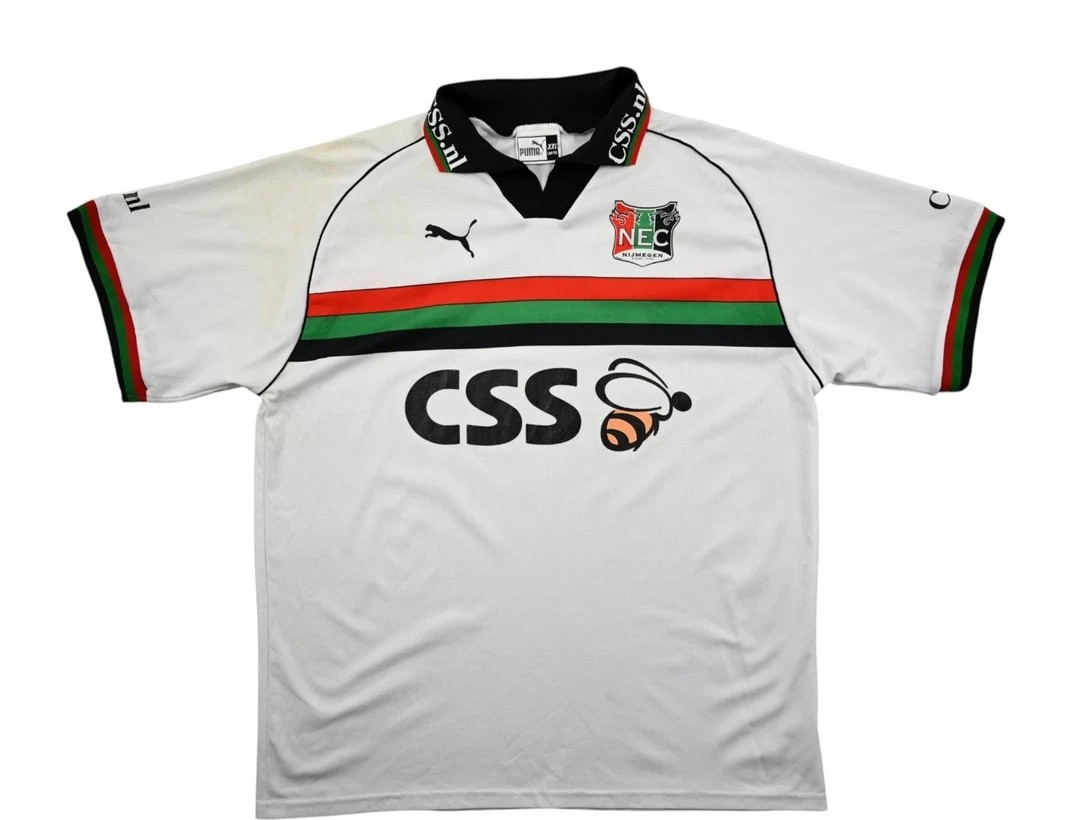
Puma produced several sharp kits for [NEC Nijmegen](/club/nec-nijmegen-ned) at the start of the decade, and this away shirt is the pick. Clean template, confident colour application. NEC were a genuine top-half side in this period and the kit matched the ambition.
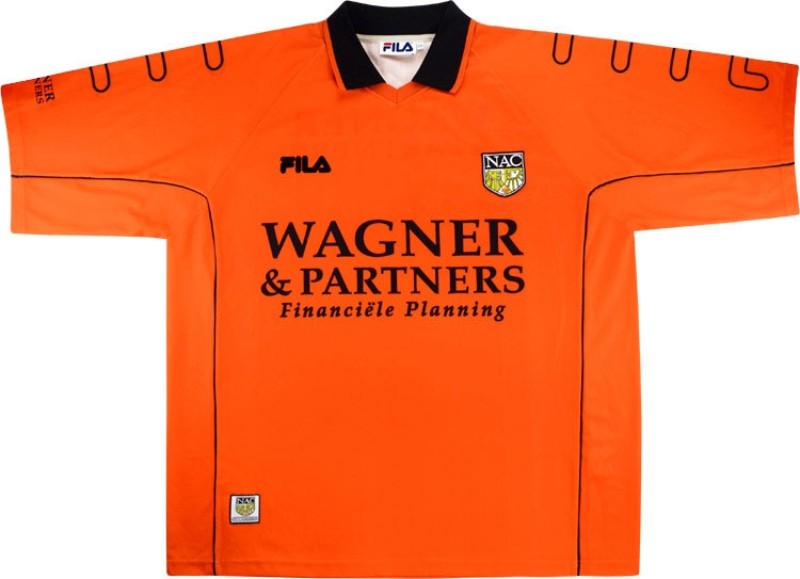
Fila's presence in Dutch football was brief, and [NAC Breda](/club/nac-ned) were one of their few Eredivisie clients. This third kit from 2000-01 captures exactly why the Italian brand was so interesting at the time: bold template work with a colour palette that clubs rarely touched. A collector's shirt from a manufacturer that quickly disappeared from the game.
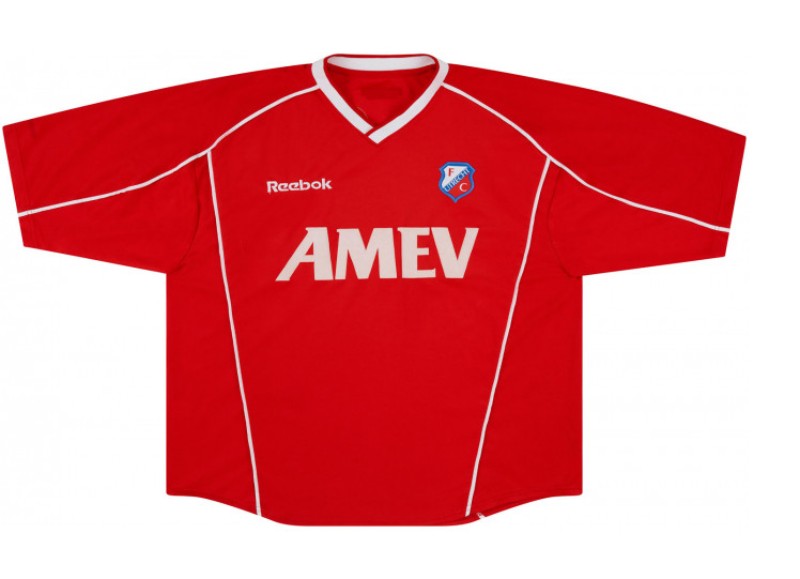
Reebok's chapter in football was never long, and their time at [FC Utrecht](/club/fc-utrecht-ned) was no exception. This home shirt from 2000-01 is one of the better outputs from that partnership: a clean red-and-white design with the kind of collar construction that placed it firmly in its era. Shortly after, Utrecht switched to Puma and the Reebok kits became scarce.
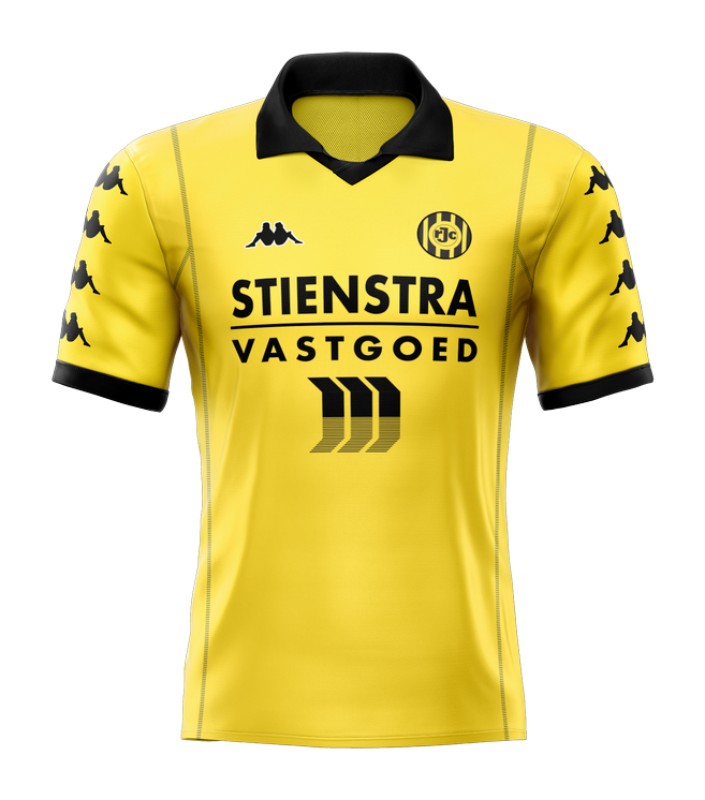
Kappa dominated a section of the Eredivisie at the turn of the millennium, kitting out both [Roda JC](/club/roda-jc-ned) and Feyenoord among others. This Roda home shirt from 2000-01 shows the Italian manufacturer at their most confident: the distinctive Omini logo framing a shirt that uses the yellow and black identity to full effect. Kappa and the Eredivisie was a natural pairing that the decade would slowly dismantle.
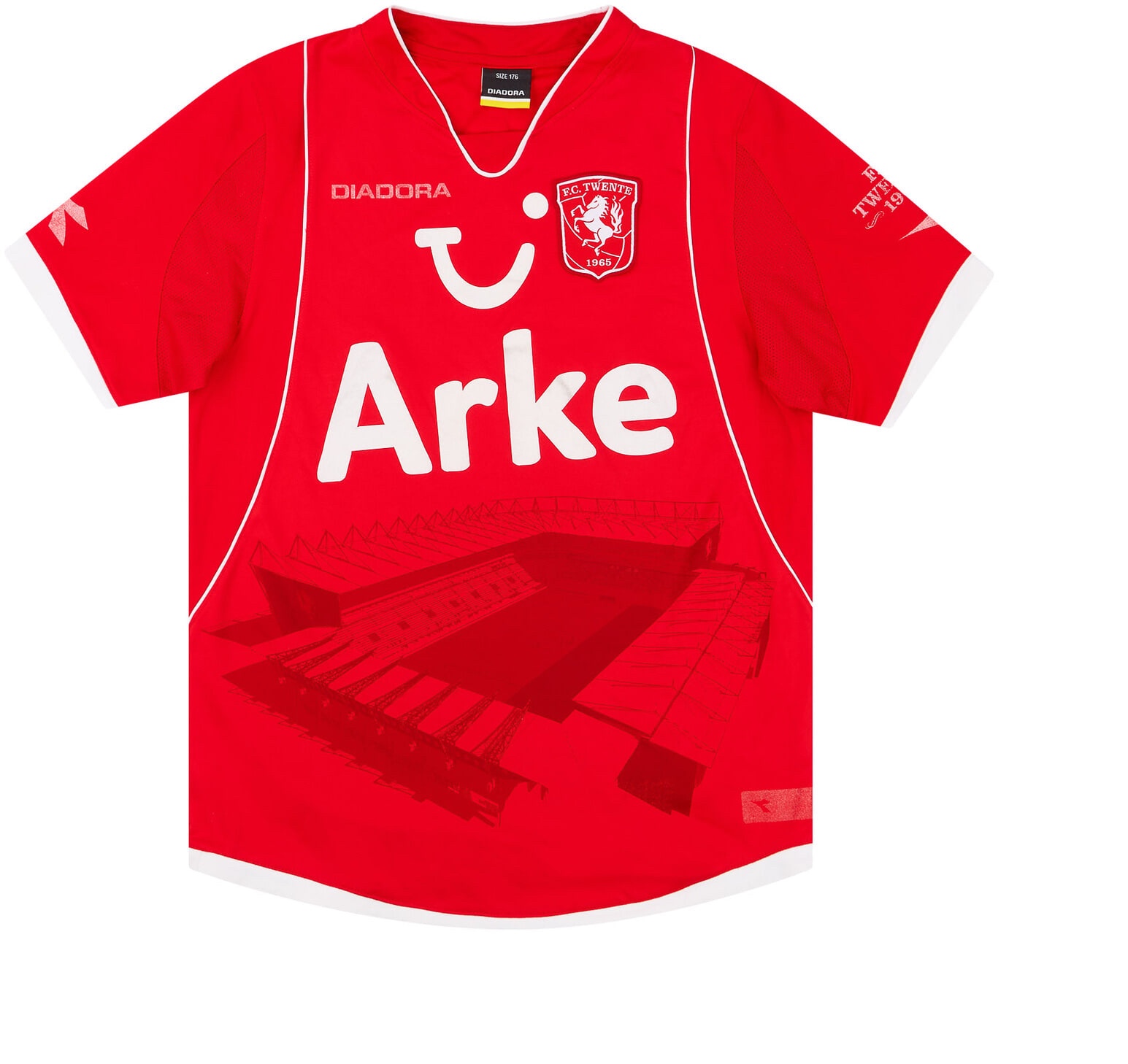
Diadora in the Eredivisie was always a curiosity, and [FC Twente](/club/fc-twente-ned) were one of their last significant European club partnerships before the brand retreated from elite football. The 2008-09 home shirt came during Twente's rise toward their 2010 Eredivisie title and has the understated quality that marked the best Diadora work. Red body, clean lines, Italian craftsmanship applied to a club on the brink of their greatest achievement.
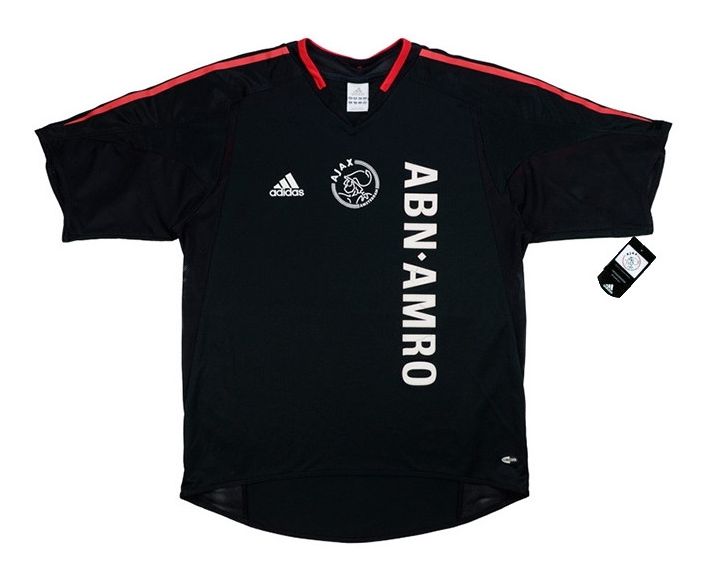
[Ajax](/club/ajax-ned) third kits were rare in the 2000s. The club's identity is so tied to red and white that a third kit always felt like an event, and adidas made the most of the opportunity here. The 2004-05 third shirt sits apart from the standard catalogue of the era: a distinctive colourway that Ajax almost never revisited. For that reason alone it belongs in any serious Eredivisie collection from the decade.
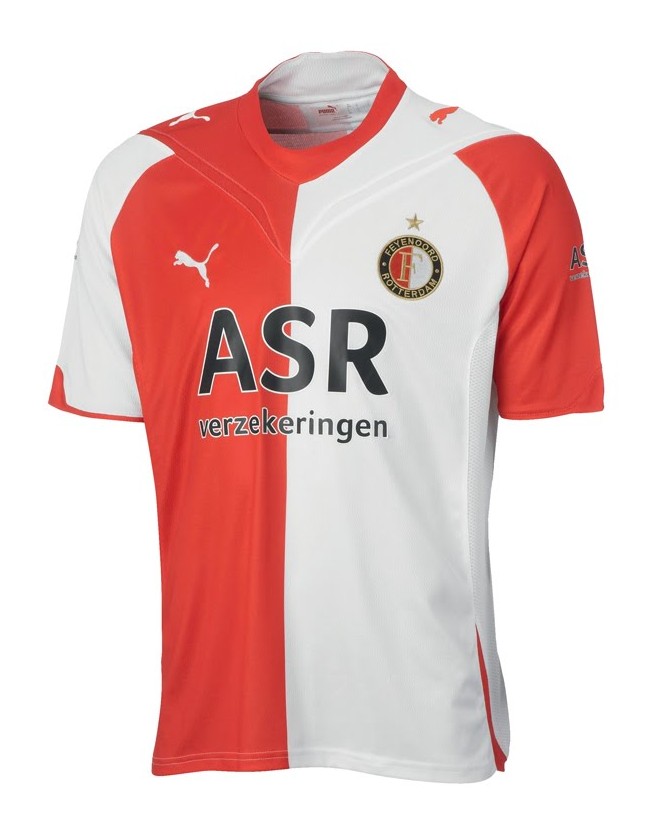
For most of the decade, [Feyenoord](/club/feyenoord-ned) were Kappa's flagship Dutch client. The 2009-10 season brought that to an end. This was Puma's first Feyenoord shirt, and it had to earn its place against a legacy of well-regarded Kappa designs. It did. The red and white block design is confident and direct, and the shirt marks a genuine turning point in the club's kit history. End-of-era shirts rarely look this clean.
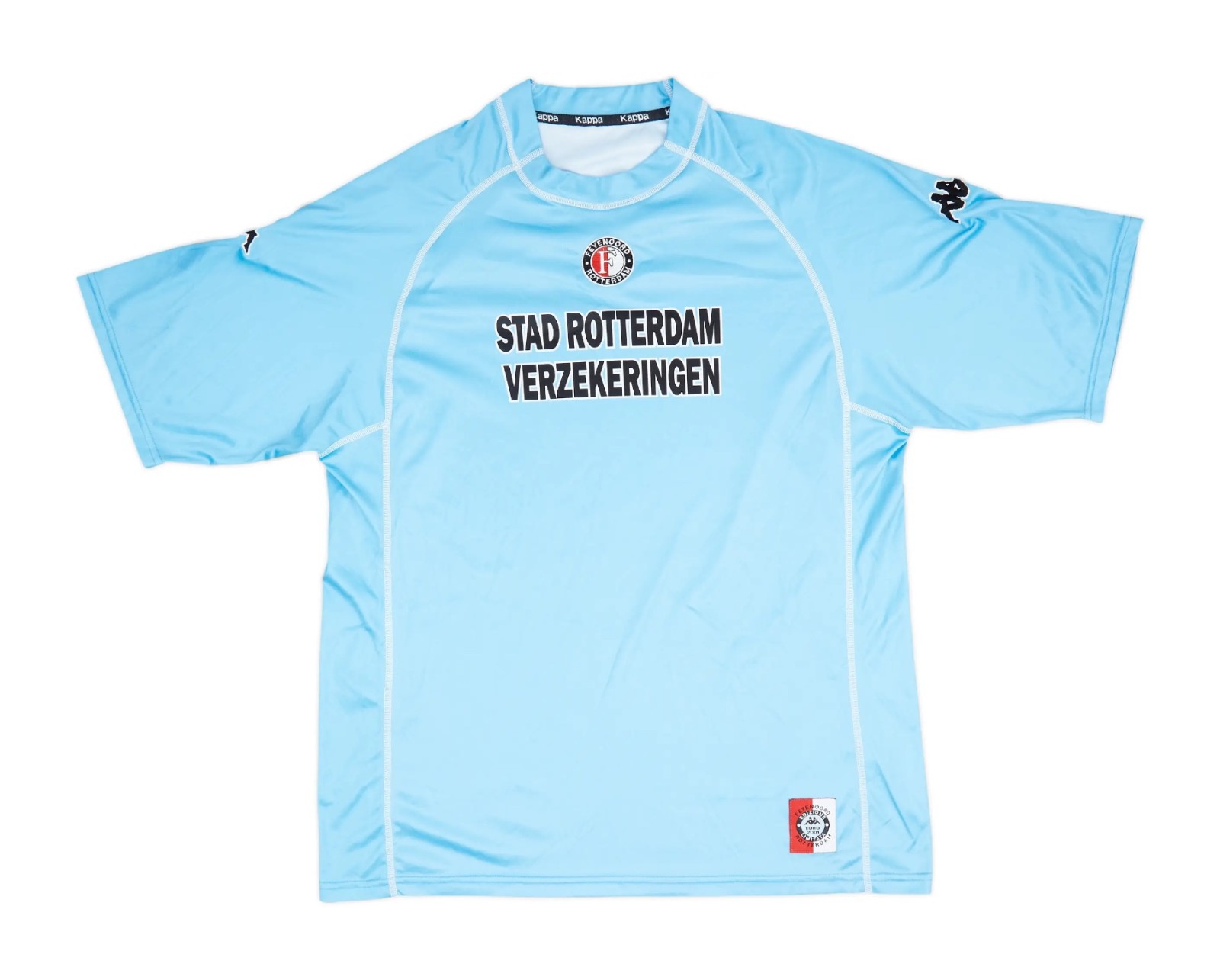
The peak of Kappa at Feyenoord. The 2001-02 away shirt arrived in the season that the club won the UEFA Cup, beating Borussia Dortmund in the final in Rotterdam. Kappa's construction details, the Omini logo on the shoulders, the template work — all of it lands. This shirt is worn by the best Feyenoord side of the 2000s, which makes it the most historically loaded kit in this list.
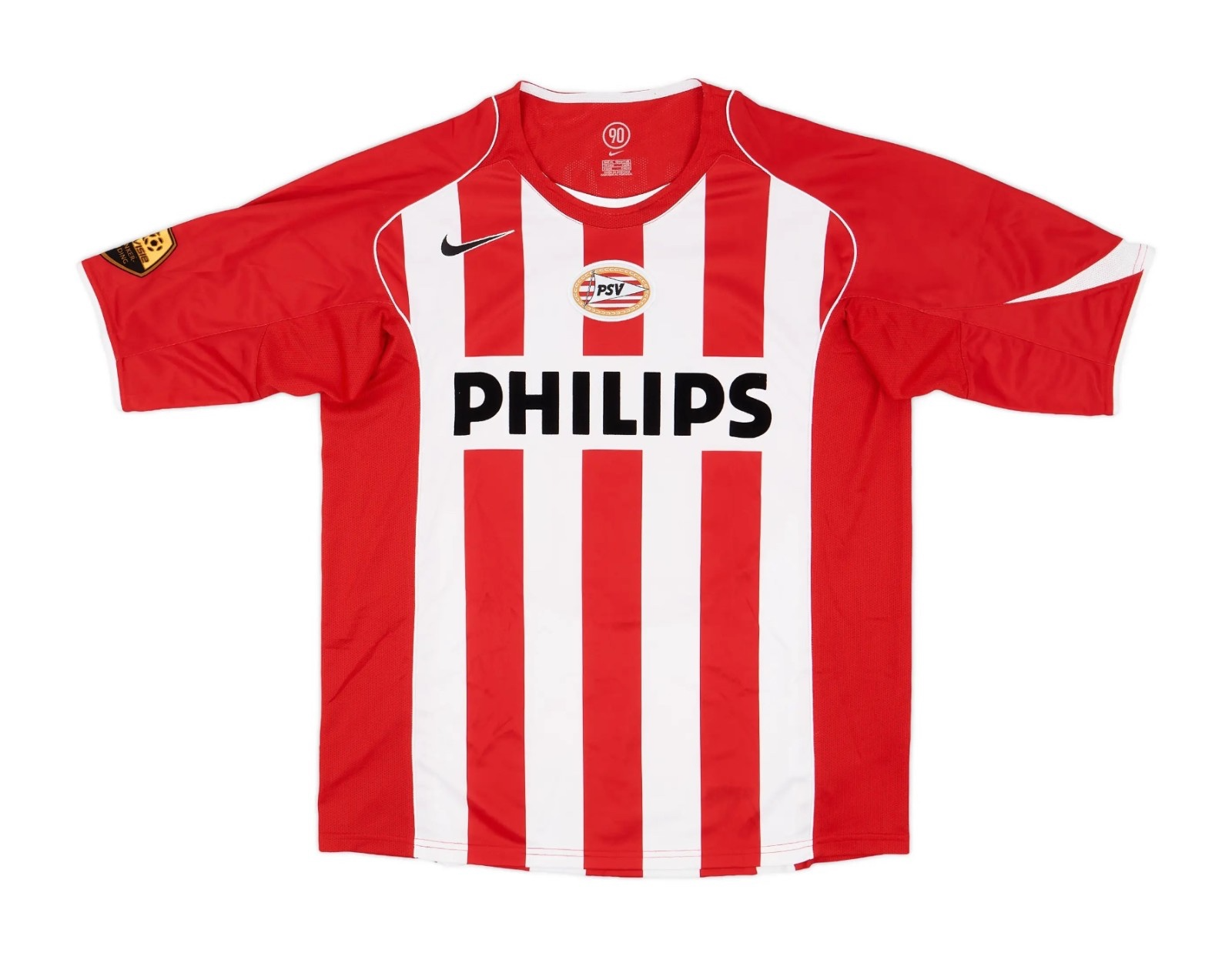
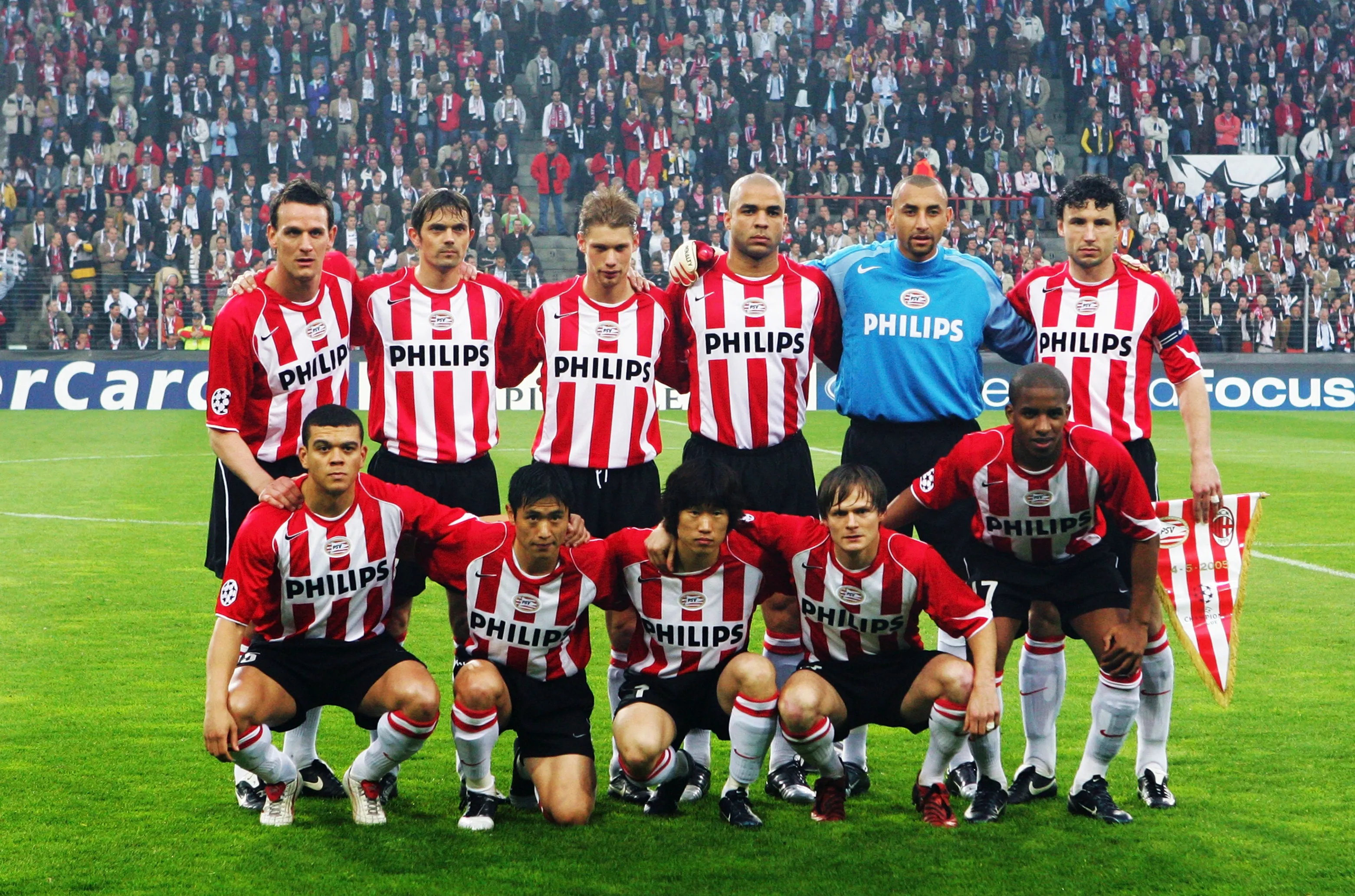
The best [PSV](/club/psv-eindhoven-ned) shirt of the decade came in their best European season. The 2004-05 squad — Cocu, Park Ji-sung, van Bommel, Vennegoor of Hesselink — reached the Champions League semi-finals, beating Monaco and Olympique Lyonnais on the way before losing to AC Milan. Nike's home shirt for that campaign is crisp, iconic red-and-white, exactly what a PSV shirt should look like. The season gives it weight that most kits never get.
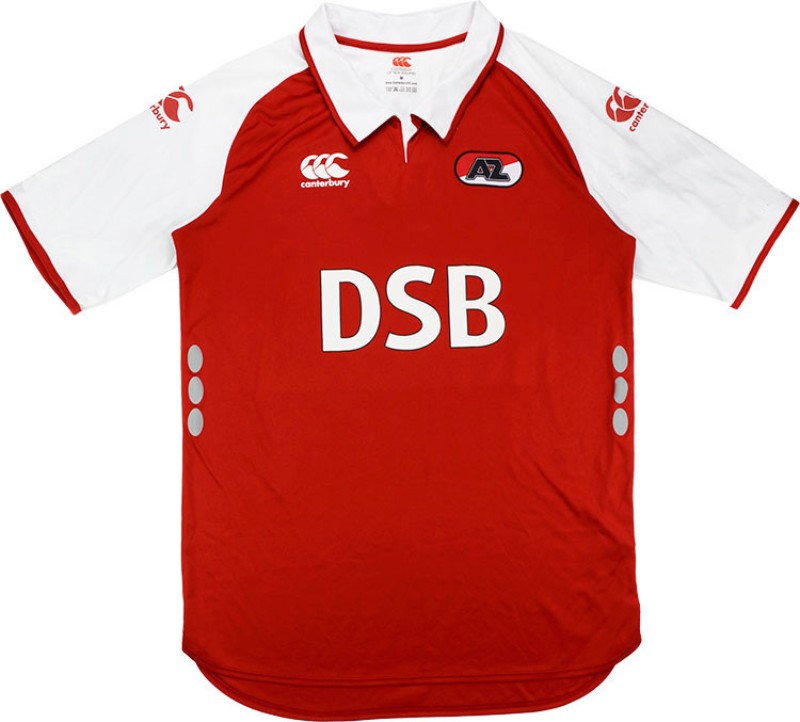
Canterbury is a New Zealand company best known for rugby. Their presence in the Eredivisie was brief, improbable, and produced one of the most distinctive kits the league has ever seen. The 2008-09 AZ home shirt is red and white, as it should be, but the construction details and the fabric treatment are unlike anything a conventional football manufacturer would produce at the time. [AZ Alkmaar](/club/az-alkmaar-ned) won the Eredivisie that season, finishing ahead of Twente and Ajax. The shirt that wore the title celebration was made by a rugby brand. That story has no equivalent in Dutch football history.